Crypto Trading: What You Need to Know About Risk, Exchanges, and Real Results
When you engage in crypto trading, the act of buying and selling digital assets with the goal of profiting from price movements. Also known as digital asset trading, it’s not just about guessing which coin will go up—it’s about understanding how leverage, exchange platforms, and market behavior interact in real time. Most people think crypto trading is like stock trading, but it’s faster, more volatile, and far less regulated. A single wrong move with leverage can wipe out your account before you even realize what happened.
Margin trading, a strategy where you borrow funds to increase your position size. Also known as leveraged trading, it’s one of the most dangerous tools in crypto because it amplifies both gains and losses. Posts like the one on margin calls and liquidation show how quickly things can go wrong—especially when you’re trading on platforms with poor risk controls. Then there’s the crypto exchange, a platform where you buy, sell, or swap digital assets. Also known as cryptocurrency trading platform, it’s the foundation of everything you do. But not all exchanges are equal. Some, like BUX or CoinFalcon, hide fees behind zero-commission promises. Others, like Mercatox, have users stuck waiting weeks to withdraw funds. You’re not just choosing a place to trade—you’re choosing who holds your money.
Behind every price move are real signals. On-chain metrics, data pulled directly from blockchain ledgers that reveal actual user behavior. Also known as blockchain analytics, they tell you if whales are accumulating or dumping, if exchanges are seeing net inflows or outflows, and whether a coin’s price is backed by real demand. That’s how you separate noise from truth. You won’t find that in Telegram groups or TikTok hype videos. You’ll find it in posts that break down MVRV ratios, exchange flows, and active address trends—like the one on on-chain metrics for fundamental analysis.
And then there’s the dark side: scams disguised as trading opportunities. Fake airdrops, fake exchanges, fake token listings—these aren’t edge cases. They’re the norm. The GDOGE and GameFi Protocol scams didn’t trick people because they were clever. They tricked people because they looked real. The same goes for HAI and Kalata. People saw "airdrop" and "CoinMarketCap listing" and clicked without checking. In crypto trading, your best tool isn’t a chart—it’s skepticism.
You don’t need to be a programmer or a quant to trade crypto successfully. But you do need to understand what’s behind the numbers. Whether you’re avoiding liquidation, picking a trustworthy exchange, or reading on-chain data to spot real momentum, the goal isn’t to predict the next moonshot. It’s to survive long enough to make smart decisions when they come.
Below, you’ll find real stories from people who lost money, people who learned the hard way, and people who figured out how to trade without getting ripped off. No fluff. No hype. Just what actually happens when you put your crypto on the line.

SushiSwap V3 (Core) Crypto Exchange Review: What It Offers and Who It's For
SushiSwap V3 (Core) is a focused, fee-efficient decentralized exchange that rewards liquidity providers and SUSHI stakers. With limit orders, DCA, and Polygon support, it's ideal for serious DeFi users-but not for beginners or those seeking wide token selection.
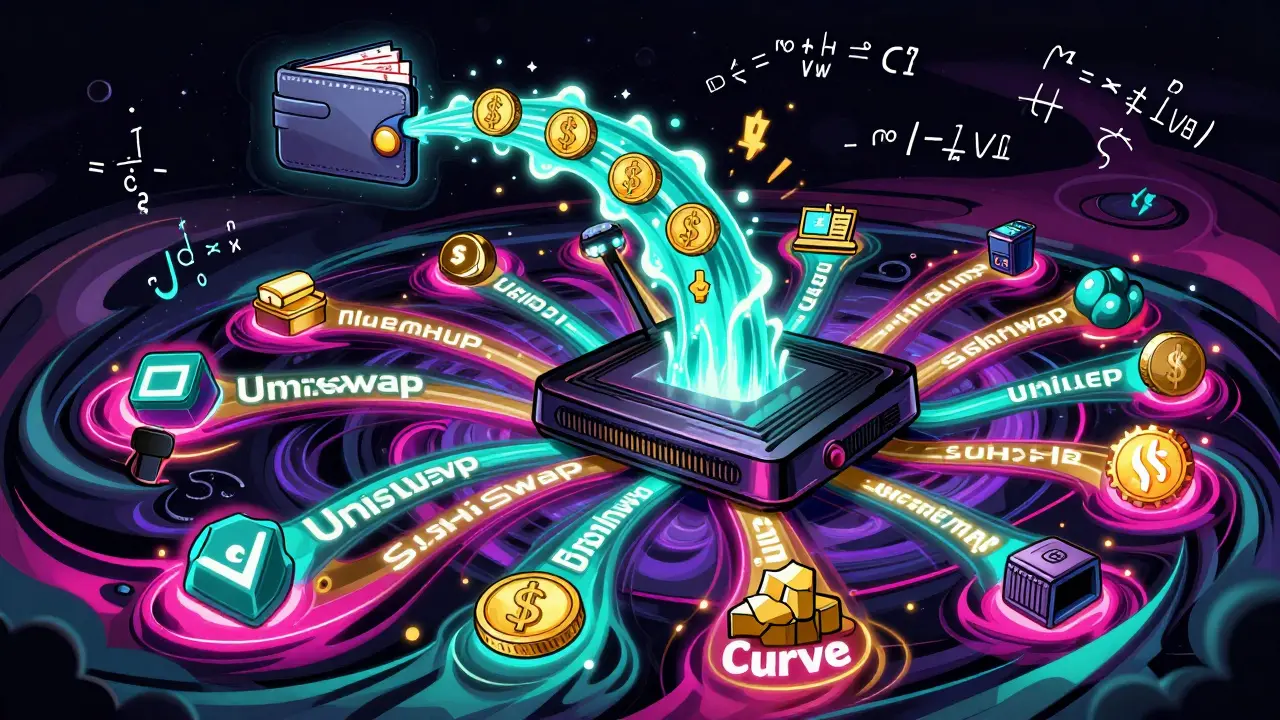
1inch Exchange Crypto Exchange Review: Best DEX Aggregator for 2026
1inch Exchange is the leading DEX aggregator that finds the best crypto swap rates across 13+ blockchains. With MEV protection, cross-chain swaps, and a growing ecosystem, it's the smart choice for serious DeFi traders in 2026.

SushiSwap Crypto Exchange Review: Is It Still Worth Using in 2025?
SushiSwap is a top decentralized exchange with multi-chain support, strong rewards, and community governance. In 2025, it remains a powerful tool for traders and yield farmers-despite competition and past controversies.

Ardor DEX Crypto Exchange Review: Is This Niche DEX Worth Your Time in 2025?
Ardor DEX is a niche decentralized exchange built into the Ardor blockchain, offering low fees and seamless swaps between child chain tokens. It's ideal for existing users but lacks liquidity and features for mainstream traders.