HAI price crash: Why it happened and what it means for crypto investors
When the HAI, a decentralized stablecoin built on the Harmony blockchain that aimed to maintain a 1:1 peg with the US dollar. Also known as HAI token, it quickly gained traction for its low fees and DeFi integration—until its value collapsed in under 48 hours. The HAI price crash wasn’t a slow fade. It was a freefall that wiped out millions in market cap and left holders asking: how did this happen?
At its core, HAI relied on overcollateralization and algorithmic adjustments to stay pegged. But when liquidity dried up and large holders started dumping, the system couldn’t absorb the pressure. Unlike USDC or USDT, which are backed by real reserves, HAI’s stability came from complex smart contracts and market incentives—both of which failed under stress. This isn’t unique: similar crashes happened with TerraUSD and FEI, and each time, the lesson is the same—algorithmic stablecoins are fragile when trust evaporates. The DeFi token, a cryptocurrency designed to function within decentralized finance protocols, often without traditional backing. market is full of them, and most don’t survive a real stress test.
What made HAI’s crash worse was the lack of transparency. There were no clear audits, no real-time reserve disclosures, and no emergency mechanisms when things went south. Investors assumed the peg would hold because it had for months—but in crypto, past performance doesn’t guarantee future stability. The crypto market correction, a sharp, often sudden decline in asset prices driven by loss of confidence, liquidity crunches, or systemic failures. wasn’t caused by Bitcoin dropping or macro news—it was caused by a single token’s design flaw being exposed. That’s the real danger: you don’t need a bear market to lose everything. Just one broken mechanism.
What you’ll find below are real case studies of tokens that crashed, scams that fooled users, and protocols that survived because they did things differently. Some posts explain how margin calls can turn small losses into total wipeouts. Others break down why CoinMarketCap listings don’t equal legitimacy. And a few show you how to read on-chain data before jumping into a new project. This isn’t about fear—it’s about awareness. If you’re holding any algorithmic stablecoin or DeFi token right now, you need to know what’s backing it, who controls it, and what happens when the incentives fail. The HAI price crash was a warning. The posts here are your checklist.
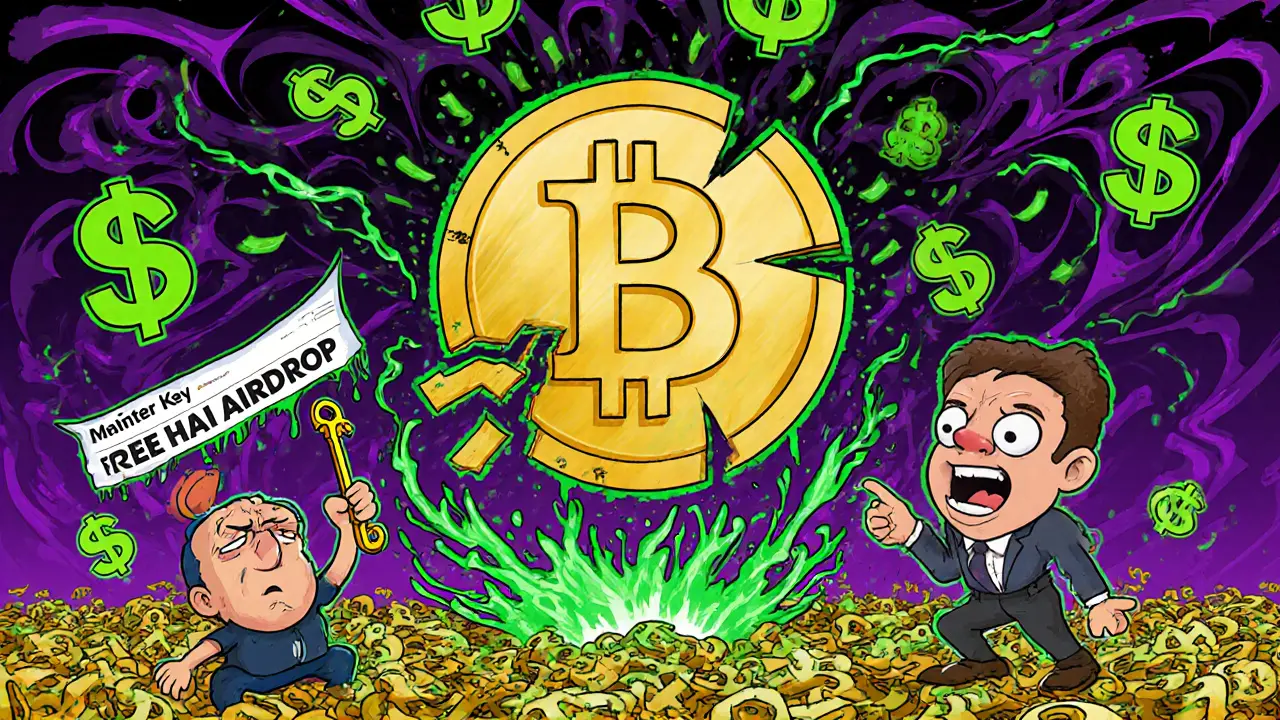
HAI Hacken Token Airdrop: What Really Happened and Why There Isn't One
HAI Hacken Token had no airdrop - only a devastating security breach that crashed its price by 99%. Learn what really happened, why scams are flooding the internet, and whether HAI has any future left.