MATRIX coin: What It Is, Why It’s Not an Airdrop, and What You Should Know
When you hear MATRIX coin, a cryptocurrency that surfaced in 2021 with promises of high returns and free token distributions. Also known as Matrix Chain, it was marketed as a next-gen blockchain platform—but today, it’s mostly a warning sign. There’s no official MATRIX coin project running today. No team, no active development, no exchange listings worth trusting. What you’re seeing online are ghost websites, fake Telegram groups, and scammy YouTube videos pushing fake airdrops that ask for your wallet seed phrase. That’s not how crypto works. Real projects don’t need you to send crypto to claim free tokens.
People get fooled because the name sounds like something from a real tech project—Matrix, the movie, the code, the future. But crypto scams, fraudulent schemes that mimic legitimate projects to steal user funds. Also known as rug pulls, they rely on hype, urgency, and false legitimacy. They copy real project names, use fake CoinMarketCap listings, and post screenshots of fake wallets with "claims". The tokenomics, the economic design behind a cryptocurrency, including supply, distribution, and incentives. Also known as token structure, it’s the foundation of whether a coin has value of MATRIX coin? Zero. No utility, no use case, no liquidity. It was never meant to be used—it was meant to be abandoned after the last investor sent funds.
You’ll find posts about MATRIX coin in forums, Reddit threads, and Twitter/X feeds—all pointing to the same dead links and expired domains. It’s the same pattern you’ve seen with GDOGE, HAI, and Kalata: a name, a promise, and then silence. The people who promoted it moved on. The wallets are empty. The community vanished. What’s left are bots reposting old tweets and fake airdrop forms that harvest your private keys.
So why does this keep happening? Because scammers know you’re looking for the next big thing. They know you’re tired of missing out. They know you’ll click on "free MATRIX coin" if it looks like it came from a real source. But real crypto doesn’t come from random links. Real projects don’t ask you to connect your wallet to claim tokens before you’ve even heard of them. And real tokens don’t vanish from CoinMarketCap the moment they’re listed.
The posts below don’t talk about MATRIX coin because there’s nothing to report. But they do show you how to spot the next one. You’ll see how GameFi Protocol, RACA, and HAI were all sold the same way. You’ll learn how to check if a token is real using on-chain data, not TikTok ads. You’ll understand why Binance Smart Chain airdrops aren’t free money—they’re opportunities that require research, not trust. And you’ll see how even big names like CoinMarketCap get hijacked by scammers pretending to be official.
If you’re looking for MATRIX coin, you’re not alone. But you’re also not the first to get burned. The good news? You can learn how to avoid the next one—and that’s what the articles here are for.
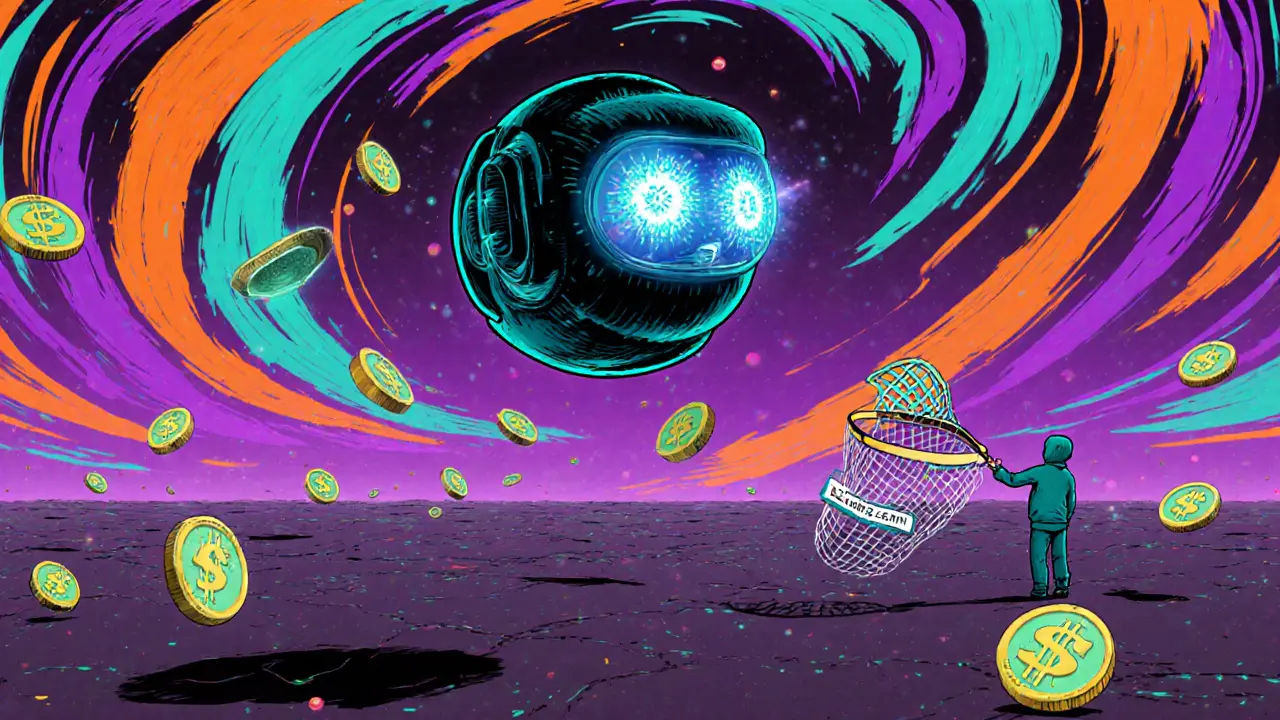
What is Matrix One (MATRIX) crypto coin? A reality check on the AI blockchain project
Matrix One (MATRIX) is a low-liquidity AI crypto token with minimal adoption, no major exchange listings, and no real-world use cases. Here's what you need to know before considering it.