Iran crypto mining: What's allowed, blocked, and how the government controls it
When you hear about Iran crypto mining, the state-approved activity where individuals and companies use electricity to validate blockchain transactions under strict government oversight. Also known as state-regulated cryptocurrency mining, it’s one of the few places in the world where mining isn’t banned—but it’s far from free. Unlike in the U.S. or Kazakhstan, you can’t just plug in a rig and start earning Bitcoin. The Iranian government owns the grid, sets the power rates, and requires every miner to register with the Ministry of Industry, Mine and Trade. If you’re caught mining without a license, your equipment gets seized. No warning. No appeal.
This isn’t just about control—it’s about survival. With U.S. sanctions cutting Iran off from global banking, crypto mining became a way to earn foreign currency. Miners sell their Bitcoin or Ethereum on peer-to-peer platforms and get paid in Iranian rials. But here’s the twist: you can’t use that crypto to buy anything online or pay for services inside Iran. That’s where digital rial Iran, the government’s centralized digital version of the national currency, designed to replace decentralized crypto in everyday transactions comes in. The central bank launched the digital rial to track every dollar spent, so even if you mine Bitcoin, you’re forced to convert it into a state-monitored digital currency before you can use it. crypto payments Iran, any direct use of Bitcoin, Ethereum, or other coins to pay for goods or services within the country is illegal. Even sending crypto to a friend’s wallet could trigger a government audit.
What you’ll find in these posts is the real picture: how miners survive under these rules, which exchanges Iranians actually use (hint: it’s not Binance), and why the government pushes the digital rial so hard. You’ll see how Iran’s approach contrasts with Russia’s crypto sanctions evasion and China’s total ban. There’s no sugarcoating—these aren’t theoretical guides. They’re based on what’s happening right now, on the ground, in Tehran, Shiraz, and Tabriz. If you’re thinking about mining in Iran, or just trying to understand how a country can both allow and ban crypto at the same time, this collection cuts through the noise. You’ll walk away knowing exactly what’s possible—and what will get you in trouble.
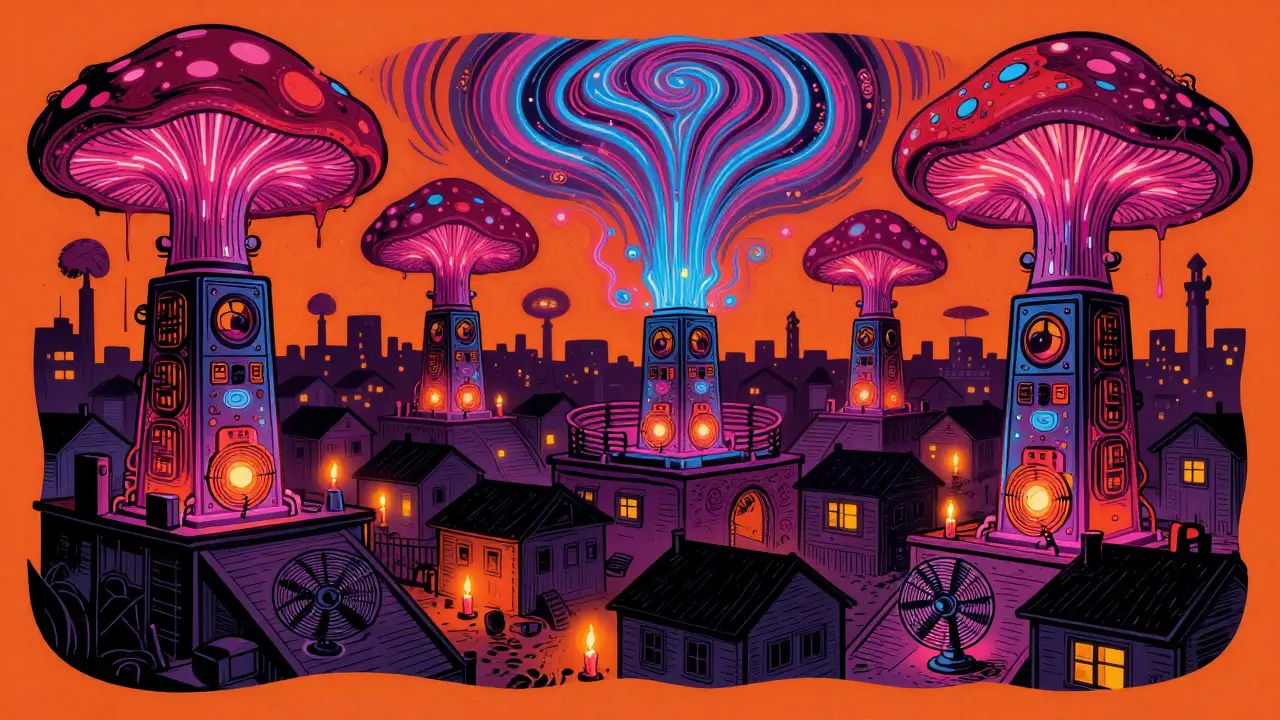
How Iranian Energy Subsidies Fuel Crypto Mining and Cause Power Blackouts
Iran subsidizes electricity for crypto mining, making Bitcoin production cheaper than anywhere else. But this policy is draining the national grid, causing daily blackouts for millions, while the IRGC profits behind the scenes.