Iran Crypto Regulations: What's Legal, What's Banned, and How People Are Bypassing the Rules
When it comes to Iran crypto regulations, the official stance bans banks from handling cryptocurrency, but doesn’t outlaw personal ownership or mining. Also known as crypto rules in Iran, this contradiction isn’t a mistake—it’s a survival strategy. The government doesn’t want its citizens using Bitcoin to dodge sanctions, but it also doesn’t want to lose control over the billions flowing through crypto networks. So instead of a full ban, they created a gray zone: you can mine, trade, and hold crypto privately, but you can’t use banks to do it.
This gray zone is why crypto mining Iran, a massive underground industry fueled by cheap electricity and state-tolerated hardware imports. Also known as Iranian Bitcoin mining, it’s one of the largest in the world, with farms running 24/7 in homes and warehouses. Meanwhile, P2P crypto Iran, the backbone of daily crypto use, lets people trade Bitcoin and USDT directly with cash—no exchange needed. Also known as Iranian crypto peer-to-peer, these trades happen in markets, cafes, and WhatsApp groups, often using local currency to avoid detection. The digital rial, the central bank’s planned state-controlled digital currency. Also known as Iranian CBDC, it’s meant to replace cash and track every transaction—making P2P crypto even riskier, but not less popular. The government’s goal? Control the flow without killing it.
What you’ll find in these posts isn’t theory—it’s real stories from inside Iran’s crypto underground. You’ll see how miners hide their rigs, how traders avoid arrest, and why USDT is worth more in Tehran than in New York. There’s no sugarcoating: this isn’t about investing. It’s about access, survival, and outsmarting a system that wants you to stay poor. The rules change fast, but the behavior doesn’t. People keep trading. They keep mining. And they keep finding ways to make it work.
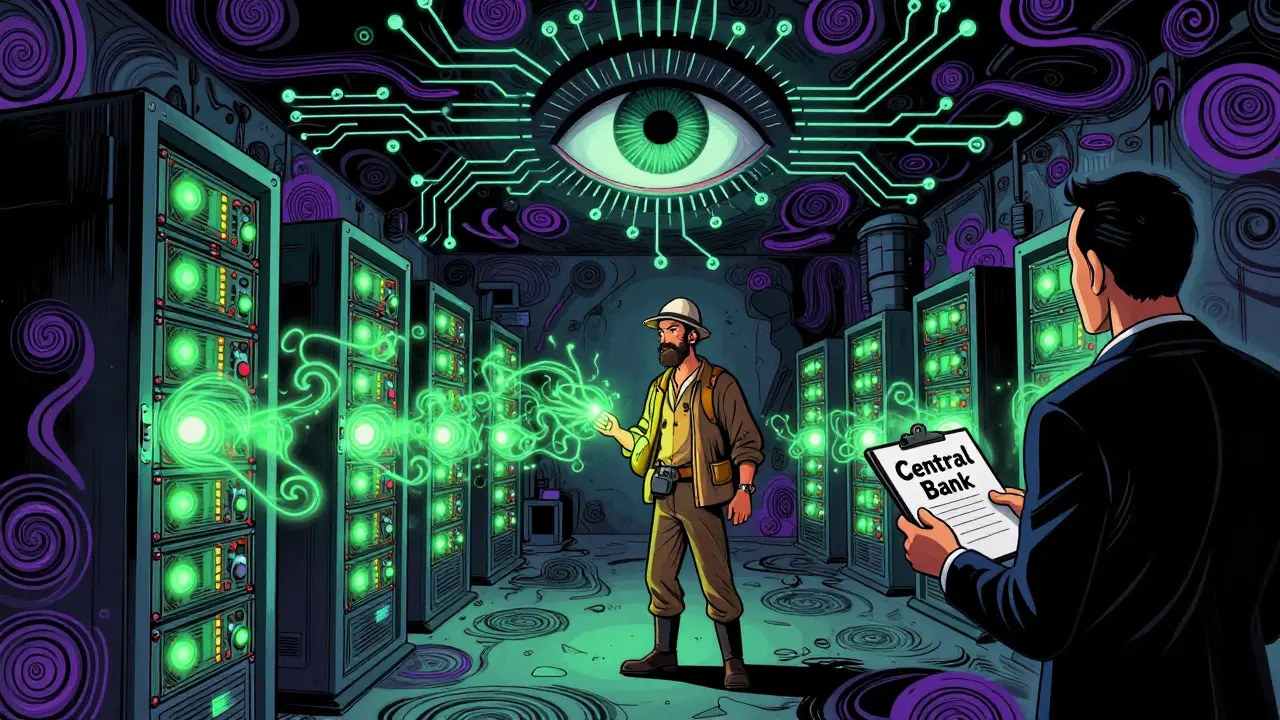
Are Crypto Payments Allowed in Iran? What You Need to Know in 2025
In 2025, Iran allows crypto mining under strict rules but blocks direct crypto payments. The government controls all transactions through its own system, pushing a digital rial to replace decentralized crypto.