P2P Crypto Ecuador: How Peer-to-Peer Crypto Works in Ecuador
When you need to send money across borders in Ecuador, banks often charge high fees, delay transfers for days, or block crypto entirely. That’s where P2P crypto, a system where people trade digital currencies directly with each other without intermediaries. Also known as peer-to-peer crypto trading, it lets you buy Bitcoin, USDT, or other tokens from neighbors using local cash, mobile payments, or bank transfers. In Ecuador, where inflation eats into savings and remittances from abroad are vital, P2P crypto isn’t just convenient—it’s a lifeline.
Unlike centralized exchanges that require ID checks and freeze accounts, P2P platforms let users trade directly. Someone in Guayaquil can sell Bitcoin for Ecuadorian sucres via mobile wallet, while a Quito resident buys USDT with cash from a local store. This works because Ecuador’s banking system is slow and distrustful of crypto, but people still need access to stable value. P2P crypto fills that gap. It’s not regulated, but it’s practical. Many users rely on platforms like Paxful or LocalBitcoins, though local Telegram groups and WhatsApp networks are just as common. The real advantage? No middlemen. No delays. No arbitrary account closures.
But it’s not risk-free. Scammers pose as buyers, send fake payment screenshots, or disappear after receiving crypto. That’s why most users stick to verified traders with high ratings, use escrow services, and never release crypto until payment is confirmed in their bank or app. Stablecoins like USDT are the most traded—they hold value better than volatile altcoins and are easier to convert back to cash. In 2025, Ecuadorians are using P2P crypto not just for speculation, but for everyday needs: paying for groceries, sending money to family abroad, or saving against currency devaluation.
What you’ll find below are real breakdowns of crypto projects, scams, and tools tied to how people actually use digital money in Ecuador and similar regions. Some posts expose fake airdrops that target users looking for easy gains. Others show how remittance fees drop from 6% to pennies when you bypass banks. You’ll see how people avoid fraud, spot phishing scams, and use on-chain data to make smarter trades. This isn’t theory. It’s what’s happening on the ground—where crypto meets cash, and survival meets technology.
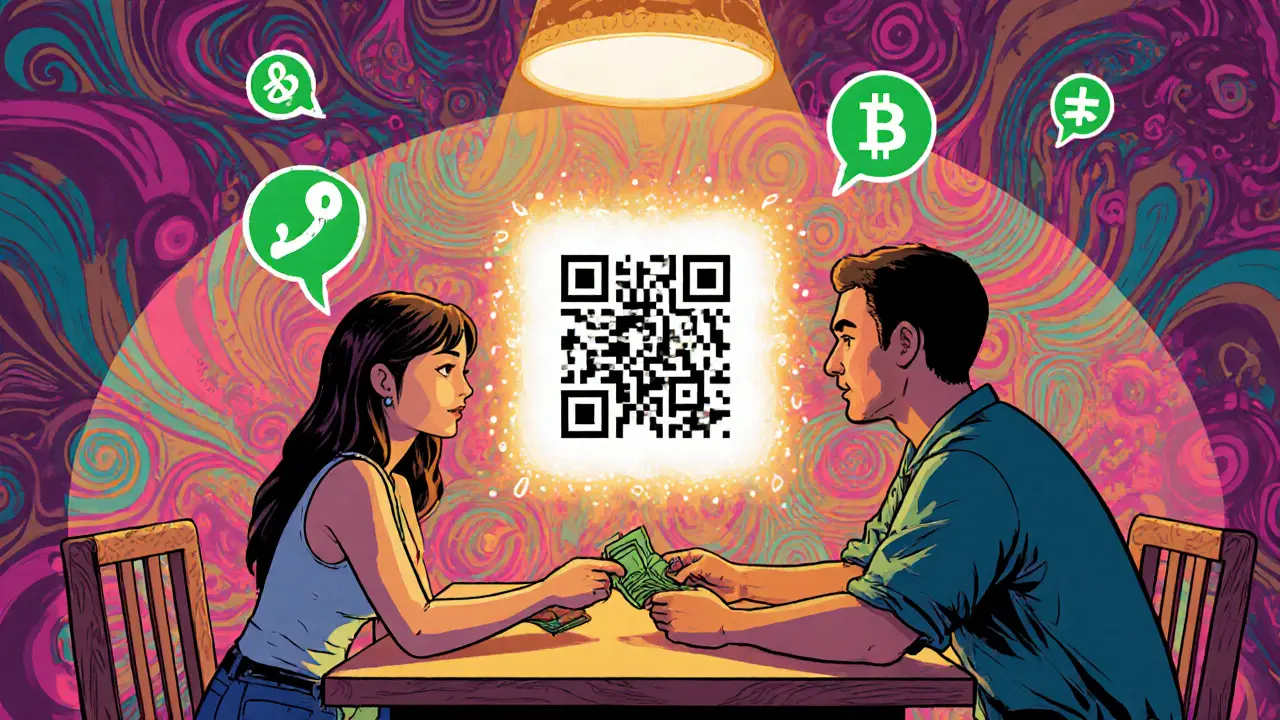
Underground Crypto Market in Ecuador: What’s Really Happening Beyond the Law
Ecuador doesn't have a formal underground crypto market, but thousands of informal cash-for-crypto trades happen daily. This is not crime - it's survival. Here's how and why people are bypassing banks to use Bitcoin and USDT.