Underground Crypto Trading in North Macedonia: Navigating the Gray Zone
Imagine trying to buy a cup of coffee with Bitcoin in Skopje. You might find a vendor willing to take it, but if you try to move that money through your local bank account, you could hit a wall. This is the reality for cryptocurrency users in North Macedonia. The country presents one of Europe’s most confusing financial puzzles: an official ban on crypto trading that exists right alongside a bustling, semi-hidden market where people trade digital assets every day.
You might have heard rumors that North Macedonia is the only place in Europe where Bitcoin is explicitly illegal. While sources like CoinGecko have flagged this status, the truth is messier. It’s not that holding Bitcoin will land you in jail; it’s that the National Bank of the Republic of Macedonia (NBRM) prohibits banks from facilitating these trades. This creates a regulatory gray zone. If you’re looking to invest or simply understand how money moves here, you need to know how to navigate this underground ecosystem without getting burned.
The Legal Paradox: Banned Yet Active
Let’s clear up the confusion about legality. In 2017, the NBRM issued a prohibition on cryptocurrency trading. They classified it similarly to foreign securities and derivatives, which were restricted under early agreements with the European Union. For years, this meant banks couldn’t process crypto transactions. But did this stop trading? No. It just pushed it off the main street and into peer-to-peer (P2P) channels.
Things started shifting in February 2022. The government amended its Anti-Money Laundering and Countering the Financing of Terrorism (AML/CFT) laws. Suddenly, terms like "virtual assets" and "virtual wallets" had legal definitions. More importantly, cryptocurrencies were categorized as "property." This was a massive philosophical shift. The NBRM clarified that while they don’t regulate crypto as currency yet, that doesn’t make owning it illegal. As noted in Multilaw’s 2023 business guide, the authorities acknowledged growing citizen interest. So, are you breaking the law by buying Bitcoin? Probably not. Are you protected by consumer laws if you lose your money? Also probably not.
This ambiguity creates risk. The 2017 ban hasn’t been formally repealed, meaning there’s always a theoretical threat of stricter enforcement. However, the trend is clearly moving toward regulation rather than prohibition. Experts predict North Macedonia will align with the EU’s MiCA (Markets in Crypto-Assets) framework by 2026 or 2027. Until then, you are operating in a transitional phase where practical access outpaces formal approval.
How Underground Trading Actually Works
If you can’t use your bank card on Coinbase, how do you actually get crypto? Most Macedonians turn to P2P platforms. These services connect buyers and sellers directly, bypassing traditional banking rails. Two names dominate this space: Symlix and LocalCoinSwap.
Symlix operates as a marketplace where you can filter offers by location, payment method, and coin type. When you initiate a trade, the platform holds the cryptocurrency in escrow. This means the seller’s coins are locked until you confirm you’ve sent the fiat currency (usually Denars or Euros). Once confirmed, the crypto releases to your wallet. It’s a secure way to handle trust issues, but it requires patience. Trades aren’t instant; they depend on human interaction and bank transfer speeds.
LocalCoinSwap offers similar functionality with over 300 payment methods available for Macedonian users. Setting up an account takes about five minutes, according to their interface. The process is straightforward: register, search for offers near you, and start chatting. Many users prefer cash-in-person meetings for smaller amounts, which keeps the transaction entirely outside the banking system. This avoids any chance of a bank flagging the transaction, though it introduces physical security risks.
| Platform Type | Example Services | Key Feature | Main Risk |
|---|---|---|---|
| P2P Marketplaces | Symlix, LocalCoinSwap | Escrow protection, local payment options | Liquidity depends on local user activity |
| International Brokers | Swissquote, Interactive Brokers | Regulated environment, higher trust | High fees, difficult bank withdrawals |
| Cash Meetups | Community groups | No digital footprint, immediate settlement | Physical safety, no recourse if scammed |
The Banking Bottleneck
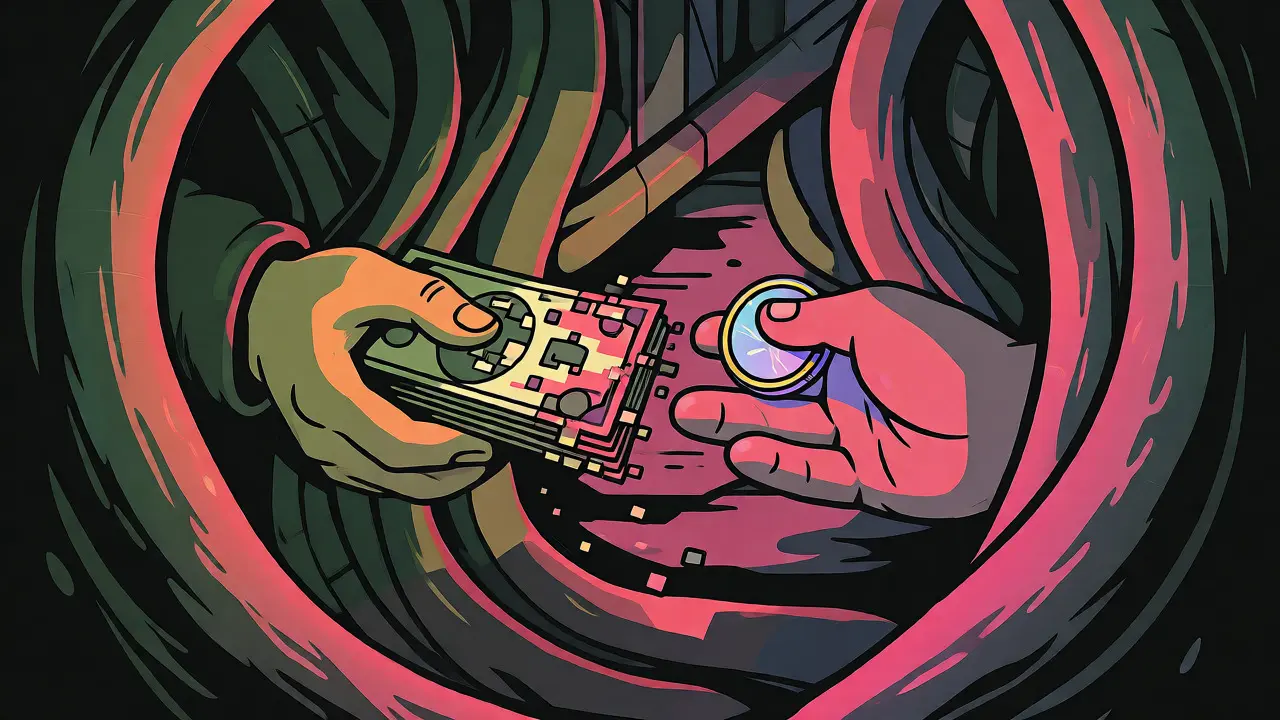
Here is the biggest headache for traders in North Macedonia: getting money in and out. Because local banks often block transfers to international crypto exchanges, you can’t simply wire funds from your Skopje bank account to Binance or Kraken. Attempts to do so often result in frozen accounts or rejected transactions. One Reddit user reported having €1,200 frozen for two weeks after attempting a direct transfer.
So, what’s the workaround? Most experienced traders use a hybrid approach. They might deposit funds via credit cards where allowed, or more commonly, they use P2P platforms to convert Denars to USDT (Tether) or Bitcoin. From there, they hold the assets in self-custody wallets. Withdrawing back to fiat is equally tricky. Selling on P2P allows you to receive Denars directly into your bank account from another individual, which looks like a normal person-to-person transfer rather than a corporate payment from a crypto exchange.
For those who insist on using regulated brokers, Swissquote has emerged as a popular choice. BrokerChooser data suggests it was chosen by 42% of Macedonian users in late 2024. It offers a solid selection of coins and reliable service. However, be warned: the fees are high. Users frequently complain about costs eating into profits on small trades. Interactive Brokers is another option with lower fees, but it lacks a native crypto wallet, meaning you still have to manage external storage.
Market Dynamics and User Behavior
Who is trading crypto in North Macedonia? It’s overwhelmingly retail investors. According to LocalCoinSwap data, 92% of activity comes from individuals, not businesses. Only three registered companies accept crypto payments nationwide, compared to hundreds in neighboring Serbia. This tells you that crypto here is primarily an investment vehicle or a hedge against inflation, not a medium of exchange.
Adoption rates sit around 2.3%, which is low compared to the EU average of 5.1%. But the growth is real. Between 2022 and 2024, user activity on major P2P platforms jumped by 300%. This surge coincides with global interest in Bitcoin and the local economic climate. People are looking for alternatives to the Denar, especially during periods of regional instability.
Community plays a huge role in this market. Since formal education resources are scarce, traders rely on Telegram groups like "MK Crypto," which has over 1,200 members. These groups share "trusted trader lists" and warn about scam artists. If you’re new, joining these communities is practically mandatory. You’ll learn which meetup spots in Skopje are safe and which P2P sellers have good reputations. Ignoring community intel is a fast track to losing money.
Risks and Pitfalls to Avoid
Trading in a gray zone comes with specific dangers. First, there’s the risk of "regulatory whiplash." While the trend is toward legalization, the government could suddenly enforce the old 2017 ban more strictly. This happened in other Balkan countries, causing temporary chaos for traders.
Second, beware of counterparty risk. On P2P platforms, you are dealing with humans, not algorithms. A buyer might claim they sent money when they didn’t. Always use the platform’s escrow system. Never release crypto before seeing the funds in your bank account. Experienced users recommend starting with small test transactions-maybe $20 worth-to verify the reliability of a trading partner before committing larger sums.
Finally, tax implications remain unclear. While crypto is defined as property, there is no specific guidance on how capital gains taxes apply to frequent traders. Consult a local accountant who understands digital assets. Don’t assume you’re exempt just because the sector is unregulated. The state may catch up later, and retroactive taxation is a possibility in evolving markets.
Looking Ahead: The Road to Regulation
Is the underground era ending? Likely, yes. The amendments to the AML/CFT law in 2022 were just the first step. Draft legislation expected soon aims to create a licensing regime for Virtual Asset Service Providers (VASPs). This would allow local exchanges to operate legally, bringing transparency and consumer protections.
If North Macedonia follows the standard EU association agreement timeline, we could see full regulatory clarity by 2026 or 2027. Until then, the market will remain fragmented. You’ll continue to see a mix of cautious institutional players entering via international brokers and a vibrant grassroots community keeping the spirit of decentralized finance alive through P2P networks.
For now, success in North Macedonia’s crypto scene requires flexibility. You need to be tech-savvy enough to use P2P platforms, patient enough to wait for bank transfers, and skeptical enough to verify every trade. It’s not the easiest place to trade, but for those who navigate it well, it offers a unique window into how digital money survives in a restrictive environment.
Is cryptocurrency illegal in North Macedonia?
It is complex. The National Bank prohibited trading in 2017, treating it like foreign securities. However, recent laws define crypto as property, and officials have stated that lack of regulation does not equal illegality. Holding crypto is generally safe, but banking channels remain restricted.
Can I use my local bank account to buy Bitcoin?
Directly linking a local bank account to international exchanges often fails due to restrictions. Most users buy via P2P platforms like Symlix or LocalCoinSwap, receiving Denars from other individuals, which appears as a standard personal transfer to the bank.
What are the best platforms for trading in North Macedonia?
Symlix and LocalCoinSwap are popular for P2P trading due to local payment support. For regulated brokerage, Swissquote is highly rated despite higher fees, while Interactive Brokers offers lower costs but fewer features for crypto specifically.
Do I pay taxes on crypto profits in North Macedonia?
Tax guidelines are currently vague. Since crypto is classified as property, general property tax principles may apply, but specific rules for capital gains on digital assets are still being developed. Consulting a local tax expert is strongly recommended.
Is it safe to meet someone in person to trade crypto?
Cash meetups are common but carry physical risk. Use public places, bring a friend if possible, and verify the identity of your counterparty. Community Telegram groups often share lists of trusted traders to reduce this risk.