What Are NFT Tickets for Events? A Simple Guide to Blockchain Admission
Remember the chaos of buying concert tickets in 2022? You’d camp out online, only to watch bots snatch up every seat before you could even load the page. Then came the scalpers, listing those same tickets on secondary markets for three times the face value. It was a broken system that frustrated fans and hurt artists alike. Enter NFT tickets, which are digital admission passes stored on a blockchain that verify ownership through cryptographic methods. These aren’t just fancy PDFs; they are unique digital tokens that fundamentally change how we buy, hold, and experience live events.
If you’ve heard the term "NFT" and immediately thought of expensive digital art or crypto scams, pause for a second. In the world of events, Non-Fungible Tokens serve a very practical purpose: they solve the age-old problems of counterfeiting, bot-driven scalping, and lost revenue for creators. By 2026, this technology has moved from a niche experiment to a mainstream solution used by major leagues and festivals. But what exactly does it mean for you as a fan, and why should you care?
The Core Problem with Traditional Tickets
To understand why blockchain ticketing matters, we have to look at why the old system failed. Traditional paper or digital PDF tickets are essentially static images. They are easy to copy, easy to steal, and impossible to track once they leave the original buyer’s hands. According to data from the National Association of Ticket Brokers, counterfeit rates for traditional tickets hovered between 12% and 18%. That means one in six tickets at a major show was fake or fraudulent.
Then there is the issue of bots. During high-demand sales, like the Taylor Swift Eras Tour, automated software would purchase thousands of tickets in seconds, reselling them at inflated prices. This didn’t just hurt fans’ wallets; it distorted the market and made events inaccessible to regular people. The Ticketmaster debacle highlighted these systemic vulnerabilities, pushing the industry to look for a technological fix. NFTs offer that fix by making each ticket a unique, verifiable asset on an immutable ledger.
How NFT Tickets Actually Work
You don’t need a degree in computer science to use an NFT ticket, but understanding the basics helps demystify the process. When an event organizer creates an NFT ticket, they "mint" it on a blockchain network. Popular choices include Ethereum for its robust security or Polygon for its lower transaction fees. Each ticket contains specific metadata: the event date, venue coordinates, seat number, and transfer restrictions.
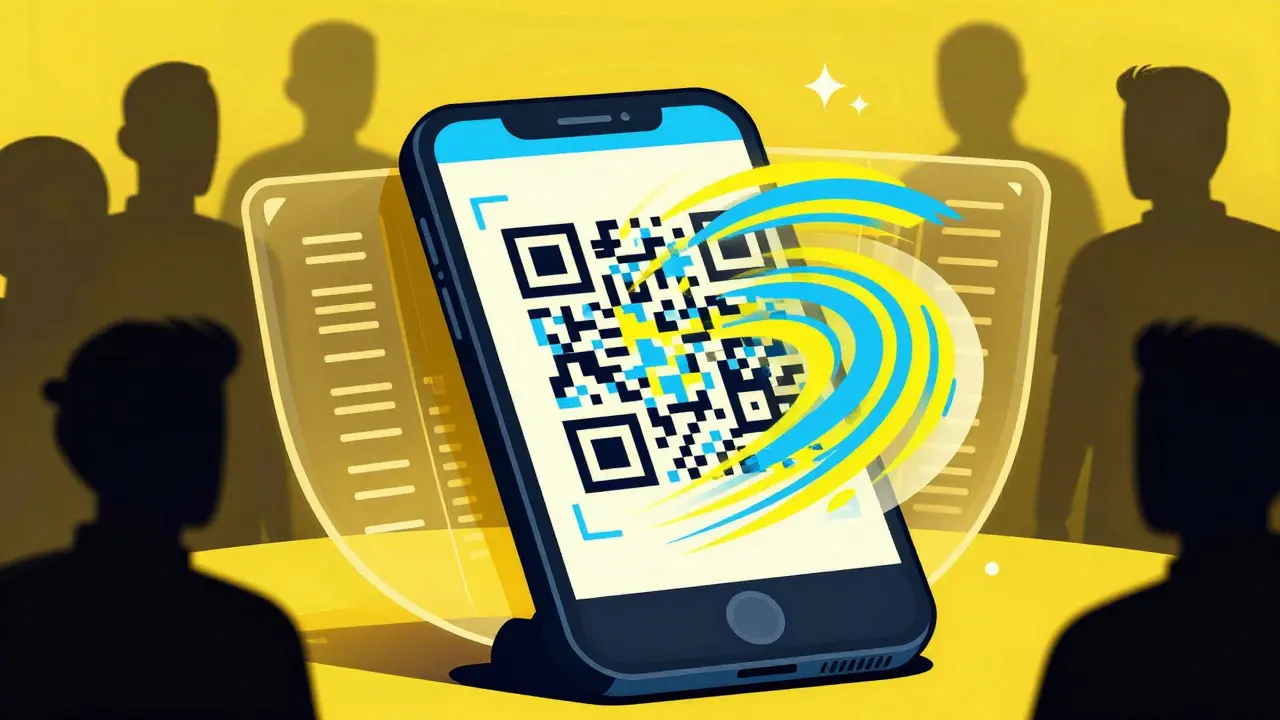
Here is the magic part: the QR code on an NFT ticket is dynamic. Unlike a static QR code that can be screenshotted and shared, a dynamic QR code refreshes every 30 seconds. To scan your ticket at the gate, you must open your digital wallet-like MetaMask-on your phone. The scanner verifies that the token in your wallet matches the valid entry list on the blockchain. This cross-referencing happens in real-time, averaging just 2.4 seconds per scan, compared to 4.7 seconds for traditional systems. If someone tries to show a screenshot, the code will already be invalid by the time they reach the turnstile.
Killer Benefits for Fans and Organizers
So, what’s in it for you? First, security. Because the ticket lives on a blockchain, it is mathematically impossible to duplicate. No more showing up at the door only to find out someone else used your stolen ticket. Second, transparency. You can see exactly who owns the ticket and its history. If you buy a ticket on a secondary market, you know it’s legitimate because the blockchain proves it.
For organizers, the benefits are even bigger. Smart contracts-the code behind the NFT-can enforce rules that prevent bot purchases. For example, platforms like GUTS Tickets use verifiable delay functions that require human interaction intervals, effectively stopping bots from buying up inventory. Additionally, organizers can program royalties into the ticket. If you sell your ticket later, a percentage (typically 5-15%) automatically goes back to the artist or venue, rather than disappearing into the pockets of speculators.
The Hurdles: Why Not Everyone Is On Board Yet
Despite the advantages, adoption hasn’t been smooth sailing. The biggest barrier is user experience. In 2023, a survey by Eventbrite found that 68% of concertgoers were reluctant to use cryptocurrency-based systems due to perceived complexity. Setting up a wallet, managing seed phrases, and paying gas fees can feel like climbing a mountain for non-tech-savvy users. Reddit threads are filled with stories of fans missing shows because they couldn’t figure out how to connect their wallet to the scanning app.
Cost is another factor. While networks like Polygon keep fees low (often under $0.50), Ethereum transactions can spike during peak times, costing anywhere from $1.50 to $15 per ticket. This adds friction to the purchase process. Furthermore, regulatory uncertainty remains a shadow over the industry. The U.S. Securities and Exchange Commission has scrutinized whether certain NFTs constitute securities, creating compliance headaches for promoters. Until frameworks like the EU’s MiCA regulations fully mature, some large enterprises remain cautious about scaling NFT ticketing globally.
Real-World Examples: Who Is Using Them?
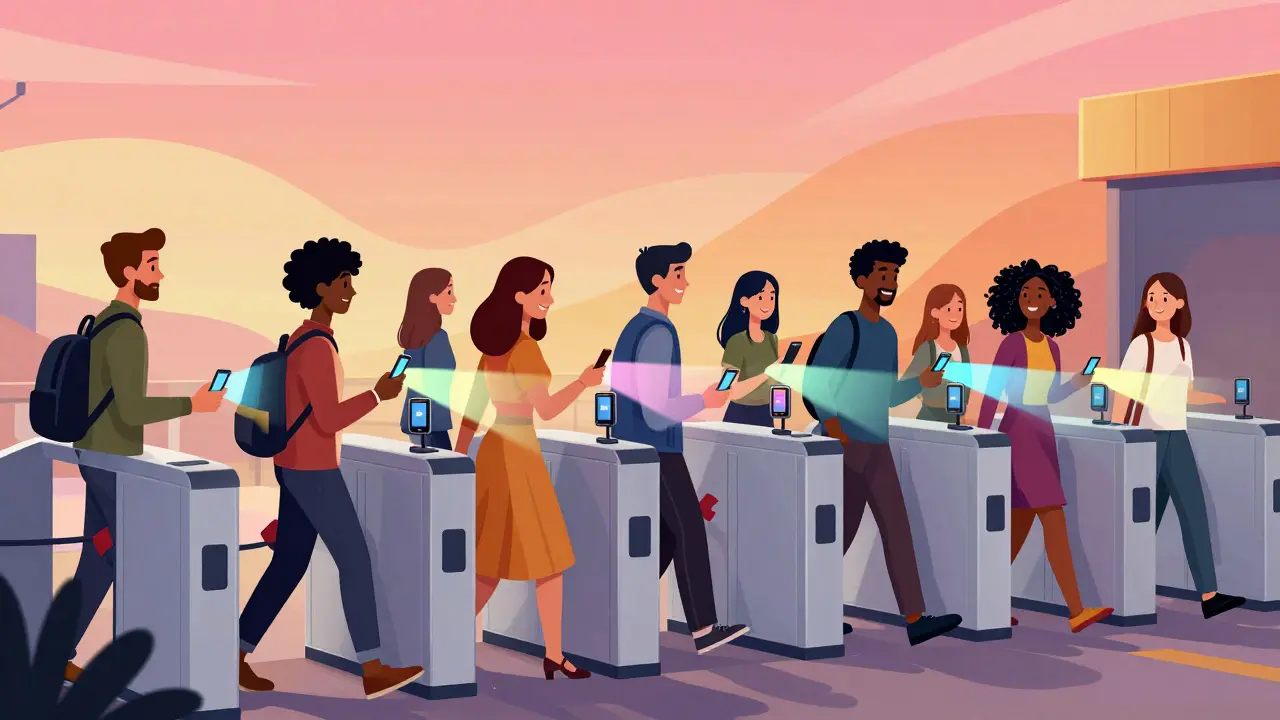
Don’t just take my word for it; major players are already testing the waters. The NBA rolled out NFT tickets for select games in late 2022, reporting a 99.98% fraud prevention rate. Coachella partnered with MoonPay in 2023 to streamline the wallet setup process, resulting in smoother entry experiences for attendees. Ticketmaster launched "Token Tix" in August 2023, integrating NFT options with their existing platform while keeping traditional tickets available for those not ready to switch.
These pilots show that when done right, NFT ticketing works. Users reported zero lines and instant verification at gates. However, failures also exist. Some early implementations suffered from poor smart contract design, failing to deliver promised secondary market royalties. The key lesson here is that the technology is sound, but execution varies wildly depending on the platform chosen.
| Feature | Traditional Tickets | NFT Tickets |
|---|---|---|
| Fraud Risk | High (12-18% counterfeit rate) | Near Zero (Blockchain verified) |
| Scalping Control | Low (Bots dominate sales) | High (Smart contracts limit transfers) |
| User Experience | Simple (PDF/Paper) | Complex (Requires Wallet Setup) |
| Secondary Revenue | Goes entirely to seller | Organizer gets 5-15% royalty |
| Verification Speed | ~4.7 seconds | ~2.4 seconds |
How to Get Started with NFT Tickets
If you want to try buying an NFT ticket, here is a simple roadmap. First, download a reputable wallet app like MetaMask or Coinbase Wallet. Create your account and securely store your recovery phrase-never share this with anyone. Next, fund your wallet with a small amount of cryptocurrency (ETH or MATIC, depending on the blockchain). When purchasing the ticket, ensure you are using a trusted platform like OpenSea or a dedicated ticketing site like ComeTogether. Finally, practice connecting your wallet to a test dApp before the big day so you aren’t fumbling with connections at the venue entrance.
Remember, patience is key. The learning curve is steep, but platforms are improving rapidly. By 2026, many apps allow "guest checkout" where you don’t need to manage private keys directly, bridging the gap between crypto and mainstream usability.
Are NFT tickets safe to buy?
Yes, they are generally safer than traditional tickets regarding fraud. Because they are stored on a blockchain, they cannot be duplicated or forged. However, you must protect your digital wallet credentials. If you lose access to your wallet, you may lose access to your ticket permanently.
Do I need to own Bitcoin to buy an NFT ticket?
No, you do not need Bitcoin. Most NFT tickets operate on networks like Ethereum or Polygon, requiring ETH or MATIC tokens. Many platforms now allow you to pay with credit cards, converting fiat currency to crypto automatically behind the scenes.
Can I sell my NFT ticket if I can't attend?
It depends on the smart contract rules set by the organizer. Some tickets are non-transferable to prevent scalping, meaning you can only gift them to a friend. Others allow resale on secondary markets, often with a royalty fee paid back to the artist.
What happens if my phone dies at the gate?
What happens if my phone dies at the gate?
This is a current limitation. Since the ticket is in your digital wallet, you need a charged device to display the dynamic QR code. Always carry a portable charger. Some venues are beginning to implement biometric backups, but this is not yet standard.
Is NFT ticketing legal?
In most jurisdictions, yes. However, regulations are evolving. The EU’s MiCA regulations provide clearer frameworks, while the US is still navigating SEC guidelines. Reputable platforms comply with local laws, but buyers should stay informed about regional restrictions.