What is Ishi Go (ISHI) Crypto? The 'Father' of Dog Coins Explained
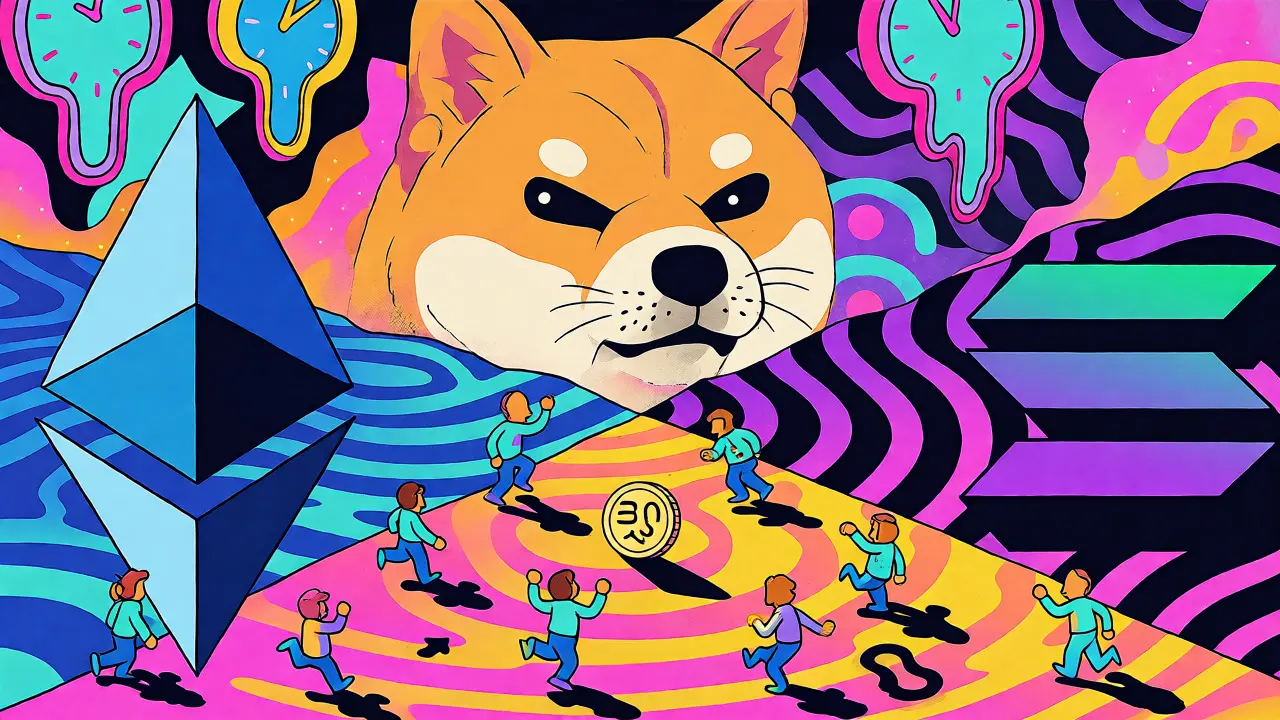
You have probably heard of Dogecoin or Shiba Inu. You might even know about the newer ones like Bonk or Floki. But have you ever wondered where the idea for all these dog-themed cryptocurrencies actually came from? Enter Ishi Go (ISHI), a cryptocurrency that claims to be the "father of all dog coins". It’s not just another meme token trying to ride a wave; it’s pitching itself as the historical root of the entire breed.
The story goes back to 1930 in Shimane, Japan, to a real-life Shiba Inu named Ishi. According to project lore, this dog’s robust features set the standard for every Shiba that followed. So, when you buy ISHI, you aren’t just buying a digital asset; you’re supposedly investing in the "origin and bloodline" of the internet’s favorite canine memes. Sounds poetic, right? But does poetry pay the bills in crypto? Let’s break down what ISHI actually is, how it performs, and whether it has any legs left to run on.
The Origin Story: Why Call It the Father?
Crypto projects love a good narrative. While Dogecoin was born out of an internet joke in 2013 and Shiba Inu launched in 2020 as a "Dogecoin killer", ISHI tries to skip straight to the source. The team behind ISHI argues that because Ishi the dog influenced the modern Shiba Inu breed, their token represents the foundational DNA of every subsequent dog coin.
This isn’t a technological innovation play. You won’t find complex smart contracts or unique consensus mechanisms here. ISHI is purely a narrative-driven asset. It leans on the emotional connection people have with dogs and the history of the breed. If you believe that knowing the "true origins" adds value, then ISHI is your ticket. If you think code matters more than lore, you might want to keep scrolling.
Technical Specs: Ethereum or Solana?
Here is where things get a bit messy. Most data aggregators list ISHI as an ERC-20 token on the Ethereum blockchain. This means it lives on Ethereum, uses its gas fees, and interacts with wallets like MetaMask. The contract address starts with 0x0007...72e327.
However, some sources claim it operates on Solana, known for fast and cheap transactions. This contradiction is a red flag. For a small-cap token, clarity on the underlying infrastructure is crucial. As of late 2025, the majority of verified on-chain data points to Ethereum. If you are looking to trade it, double-check which network your exchange supports. Sending funds across the wrong chain usually means losing them forever.
| Attribute | Value |
|---|---|
| Token Symbol | ISHI |
| Blockchain | Ethereum (ERC-20) |
| Total Supply | 1,000,000,000 tokens |
| Max Supply | 1,000,000,000 tokens |
| Contract Address | 0x0007...72e327 |
Market Performance: The Zombie Token Reality
Let’s look at the numbers, because they tell a harsher story than the marketing copy. As of December 2025, ISHI trades at roughly $0.0000307. That sounds tiny, but don’t let the low price fool you into thinking it’s cheap. The market capitalization hovers around $38,490. To put that in perspective, major dog coins like DOGE and SHIB have market caps in the billions.
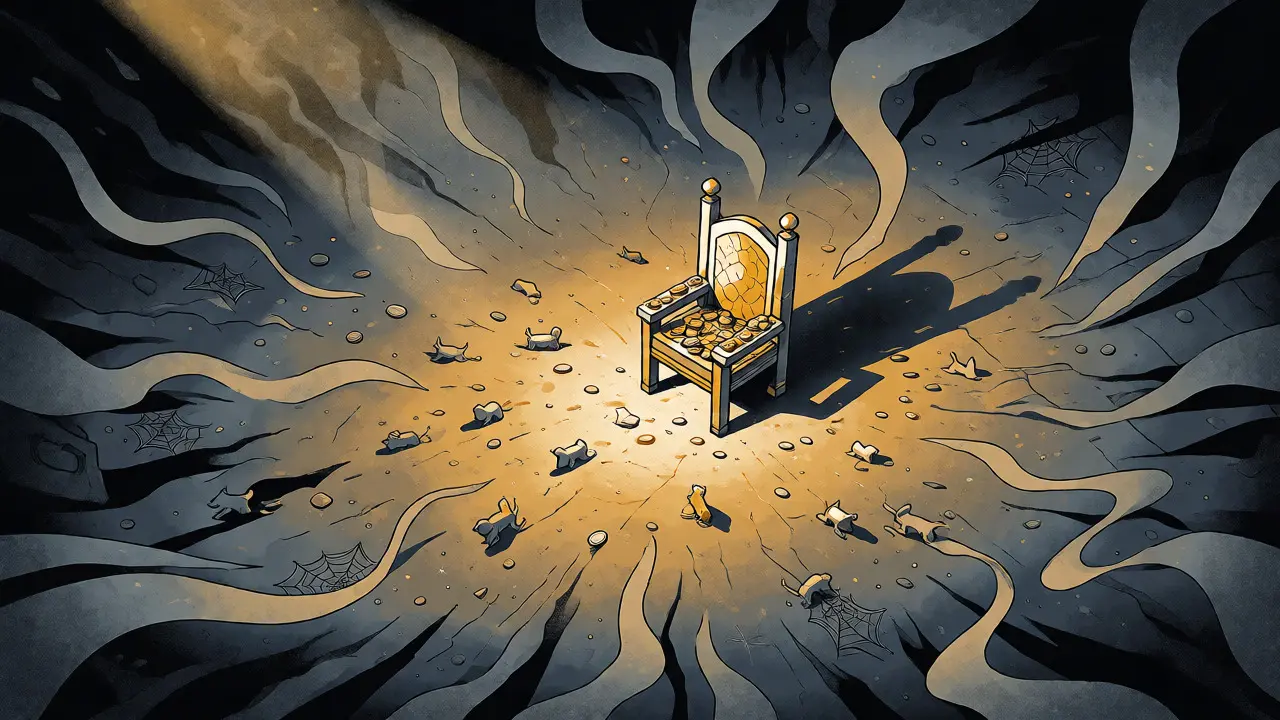
The most alarming metric is liquidity. CoinGecko reports a 24-hour trading volume of just $2.94. Yes, less than three dollars. Some trackers even show $0 volume on certain days. This extreme illiquidity means that if you buy a significant amount of ISHI, you might struggle to sell it without crashing the price further. One user on Reddit reported waiting 24 hours to sell 10 million ISHI tokens, only to see the order never fill. That is the reality of holding a "zombie token."
- All-Time High: Approximately $0.001797 (June 2025)
- All-Time Low: Approximately $0.00003685 (August 2025)
- Current Decline: Down ~94% from peak
- Holders: Estimated ~3,849 unique addresses
Community and Development: Is Anyone Home?
A cryptocurrency lives or dies by its community. For ISHI, the community seems to be sleeping. Social media metrics are almost non-existent. CoinPaprika tracked only 17 Twitter mentions over a 30-day period. Compare that to the millions of daily mentions for established meme coins, and you see the gap.
There is no active Discord server, no buzzing Telegram group, and no visible GitHub repository with recent code commits. The project’s social channels haven’t posted updates since August 2025. When a project stops talking to its users, it usually signals one of two things: either the team is focused entirely on building (unlikely for a meme coin), or the project has been abandoned.
Without a whitepaper, technical roadmap, or regular AMAs (Ask Me Anything sessions), investors are flying blind. You are essentially betting on a static narrative rather than dynamic development. If the team disappears tomorrow, there is no protocol to update, no staking rewards to lose, and no governance votes to miss. It just sits there.
Risks and Red Flags
If you are considering adding ISHI to your portfolio, you need to weigh the risks carefully. This is not a blue-chip investment. It is speculative fiction with a ticker symbol.
- Liquidity Risk: With under $5 in daily volume, you cannot exit large positions easily. Slippage will eat your profits.
- Narrative Dependency: The value relies entirely on people caring about the "father of Shiba Inus" story. If the meme cycle moves on, ISHI has no utility to fall back on.
- Regulatory Uncertainty: The SEC has hinted that tokens without utility might be classified as securities. Purely narrative-driven coins are prime targets for such scrutiny.
- Data Contradictions: Conflicting information about whether it runs on Ethereum or Solana suggests poor management or outdated documentation.
Industry analysts often categorize assets like ISHI as high-risk, low-reward plays unless a massive viral moment occurs. Given that the broader meme coin sector’s share of the total crypto market cap dropped from 12.3% in 2024 to 8.7% in 2025, investor appetite for obscure narratives is cooling.
Final Verdict: Should You Buy ISHI?
Ishi Go (ISHI) is a fascinating case study in crypto storytelling. It attempts to monetize history and breed lineage rather than technology or community power. For the casual observer, it’s a curiosity. For the serious investor, it looks like a dead end.
The lack of volume, absent community, and stagnant development make it hard to justify a long-term hold. Unless you are specifically betting on a niche revival of "origin story" memes, ISHI offers little beyond the thrill of owning a piece of digital trivia. If you do decide to dip your toes in, treat it as lottery money-money you are fully prepared to lose because the odds of a liquidity crisis preventing your exit are very real.
Is Ishi Go (ISHI) built on Ethereum or Solana?
Most reliable data sources, including Etherscan and CoinMarketCap, identify ISHI as an ERC-20 token on the Ethereum blockchain. However, some conflicting sources mention Solana. Always verify the contract address on the specific wallet or exchange you plan to use to avoid sending funds to the wrong network.
Why is the trading volume for ISHI so low?
The low volume (often under $5 per day) indicates minimal market interest and liquidity. This is common for "zombie tokens"-small-cap assets that have lost community engagement and developer activity. It makes buying and selling difficult without significantly impacting the price.
Does Ishi Go have a utility or use case?
No, ISHI does not have a technical utility like payment processing, governance, or staking. Its value proposition is purely narrative-based, claiming to represent the historical origin of the Shiba Inu breed and, by extension, dog-themed cryptocurrencies.
How many holders does ISHI have?
Estimates suggest there are approximately 3,849 unique holders. This number is derived from the market cap divided by average holding values, as exact holder counts can fluctuate and are not always publicly indexed in real-time for smaller tokens.
Is Ishi Go a scam?
It is not necessarily a "scam" in the sense of a rug pull, but it shows signs of abandonment. The lack of development, community, and transparency raises concerns about its long-term viability. It is better described as a stagnant or "dead" project rather than an active fraudulent scheme.