What is STFX Crypto? Solana Token Analysis, Risks & Wormhole Connection
Buying a coin because you saw it on a list or heard a ticker symbol isn't enough anymore. The crypto market is flooded with thousands of tokens that look similar but have vastly different risks. STFX is one such token. If you are asking what STFX is, the short answer is that it is a low-cap cryptocurrency built on the Solana blockchain, often associated with the Wormhole protocol. However, digging deeper reveals a confusing picture filled with data errors, extremely low trading volume, and significant red flags that every investor needs to understand before spending a single dollar.
Many sources get STFX wrong. Some mistakenly call it "Synthetix" (which uses the SNX token), while others claim it runs on Ethereum when it actually lives on Solana. This confusion alone should make you pause. Let’s cut through the noise and look at the actual facts, the technology behind it, and whether this token has any real value or if it’s just another high-risk speculative asset.
The Core Identity: What Actually Is STFX?
To understand STFX, you first need to separate fact from fiction. STFX is not a major exchange-listed currency like Bitcoin or Ethereum. It is a niche token operating within the Solana ecosystem. Its primary technical association is with Wormhole, a cross-chain bridge that allows assets to move between different blockchains like Solana, Ethereum, and BNB Chain.
However, there is no clear, official documentation stating that STFX is an official product of the Wormhole team. Instead, it appears to be a third-party token leveraging the infrastructure. This distinction matters. Being "built on Solana" doesn’t mean a project is safe; it just means it uses Solana’s fast transaction speeds. Without a verified team, a whitepaper, or active development records, STFX lacks the fundamental pillars that support legitimate cryptocurrencies.
- Blockchain: Solana (not Ethereum)
- Protocol Association: Wormhole (cross-chain interoperability)
- Token Type: SPL Token (Solana Program Library)
- Total Supply: Disputed (Sources cite either 650 million or 1 billion)
Technical Specifications and Blockchain Performance
If you hold STFX, you are interacting with the Solana network. Solana is known for its speed, capable of processing roughly 65,000 transactions per second with sub-second finality. This makes buying or selling STFX technically fast and cheap compared to older networks. But speed doesn’t equal safety.
The token utilizes the Wormhole protocol for cross-chain capabilities. In theory, this allows STFX to be moved to other chains. In practice, the utility of this feature depends entirely on whether other platforms actually accept STFX. Currently, there is little evidence of widespread adoption. The token exists in a vacuum-technically functional, but practically unused by the broader market.
| Attribute | Claim/Spec | Reality Check |
|---|---|---|
| Network Speed | Solana (~65k TPS) | Fast, but irrelevant without users |
| Cross-Chain Bridge | Wormhole Protocol | No verifiable cross-chain volume |
| Supply Transparency | 1 Billion Tokens | Data conflicts across trackers |
| Development Activity | Active GitHub | No public repository found |
Price Volatility and Market Data Confusion
One of the biggest warnings about STFX is the chaotic nature of its price data. Different tracking sites show wildly different numbers for the same token at the same time. One source might list STFX at $0.003, while another shows it at $0.0004. This isn’t just normal fluctuation; it indicates a lack of standardized pricing and extreme liquidity issues.
As of late 2023 and into 2024, STFX has shown extreme volatility, with some trackers reporting swings of over 88%. High volatility in a micro-cap token usually means one thing: very few people are trading it. When only a handful of trades happen, a single large sell order can crash the price by 50% or more. Conversely, a small buy can pump it artificially. This makes price predictions nearly impossible and highly unreliable.
Technical indicators also paint a bearish picture. The Relative Strength Index (RSI) often hovers in oversold territory, suggesting downward momentum. Moving averages (50-day and 200-day SMA) frequently show the price trending below key support levels, which traders interpret as a sign of continued decline rather than a buying opportunity.
Liquidity Crisis: The Hidden Danger
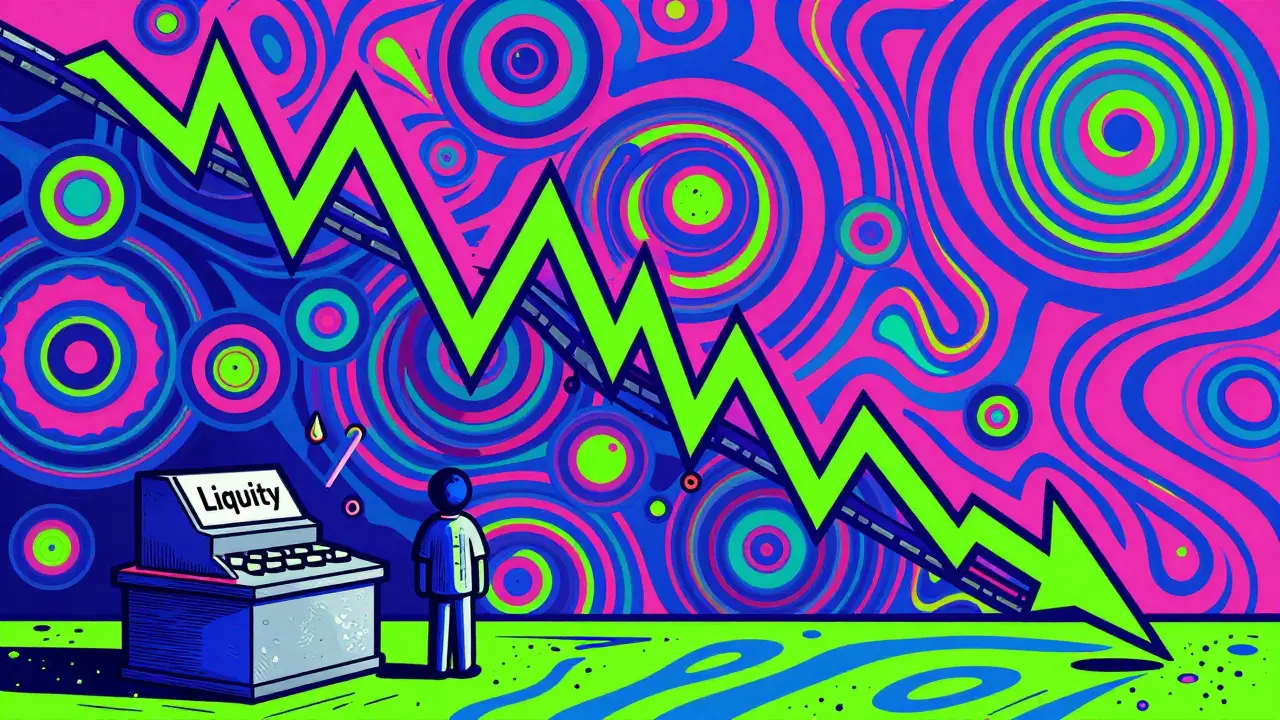
You might see a price tag for STFX and think you can buy $100 worth. Think again. Liquidity is the ability to buy or sell an asset without affecting its price significantly. STFX has critically low liquidity. Reports show 24-hour trading volumes as low as $226. That is less than the cost of a nice dinner for two.
Here is why this matters to you. If you try to buy $1,000 worth of STFX, you might consume all available orders in the order book. This causes massive slippage, meaning you pay much more per token than the listed price. Worse, when you try to sell, there may be no buyers. You could be left holding a bag of tokens that you cannot exit without taking a catastrophic loss. Compare this to established Solana tokens like Raydium or Serum, which handle millions in daily volume. STFX operates in a shadow market.
Red Flags: Lack of Community and Development
In crypto, community and code are king. For STFX, both are missing. A search through major crypto forums like Reddit’s r/Solana or r/Cryptocurrency yields zero meaningful discussion. There are no threads analyzing its roadmap, no users sharing success stories, and no developers answering questions. Silence is rarely a good sign.
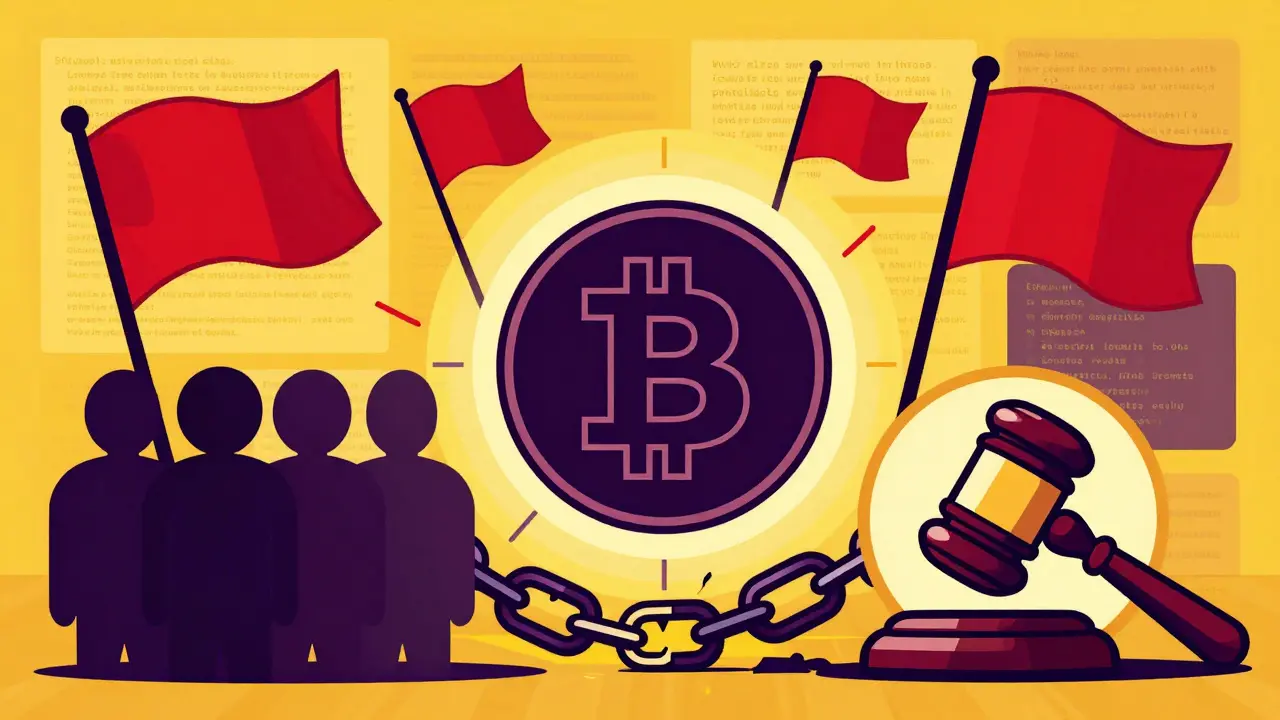
Furthermore, there is no verifiable GitHub repository. Legitimate projects publish their code so auditors and enthusiasts can review it for security flaws. STFX has no public code base, no LinkedIn presence for a founding team, and no official announcements. This anonymity raises serious concerns about potential scams, rug pulls, or abandoned projects. Without a team to hold accountable, investors have no recourse if things go wrong.
Regulatory Risks and SEC Scrutiny
The regulatory environment for crypto is tightening. The U.S. Securities and Exchange Commission (SEC) has been aggressive in labeling many tokens as unregistered securities under the Howey Test. Tokens that lack clear utility, have anonymous teams, and rely on speculation are prime targets. STFX fits this profile perfectly. Investing in such assets carries not just market risk, but legal risk. Exchanges may delist these tokens suddenly to avoid regulatory penalties, leaving holders with worthless digital files.
Comparison: STFX vs. Established Solana Projects
To put STFX in perspective, let’s compare it to tokens that actually function within the Solana ecosystem. These comparisons highlight why STFX struggles to gain traction.
- Raydium (RAY): A decentralized exchange aggregator with millions in daily volume, active development, and integration with Serum. It provides real utility.
- Wormhole (W): The native token of the Wormhole protocol itself, listed on major exchanges like Binance and Coinbase. It has institutional backing and transparent governance.
- STFX: No major exchange listings, negligible volume, no clear utility, and confused identity. It sits in the bottom 5% of Solana tokens by market cap.
Choosing STFX over these alternatives is like choosing an unknown, unbranded car part over a certified component from a major manufacturer. The risk of failure is exponentially higher.
How to Verify STFX Before Buying
If you still want to proceed despite the risks, you must do your own due diligence. Do not trust random websites or social media posts. Follow these steps:
- Check the Contract Address: Find the official SPL token address on a reputable tracker like CoinGecko or Solscan. Never copy-paste addresses from unofficial Discord servers.
- Verify Liquidity: Look at the 24-hour volume on multiple exchanges. If it’s under $1,000, walk away.
- Search for Code: Look for a GitHub link on the official website. If it’s missing or empty, the project is likely dead or fraudulent.
- Read the Whitepaper: Does it exist? Does it explain the tokenomics clearly? If not, it’s a red flag.
Final Thoughts on STFX Investment Potential
STFX is a high-risk, low-reward asset. While it benefits from being on the fast Solana blockchain, it lacks the essential elements of a sustainable cryptocurrency: liquidity, transparency, community, and utility. The conflicting data across trackers suggests poor maintenance and potential manipulation. For most investors, especially beginners, STFX offers nothing but danger. Stick to established projects with proven track records and transparent teams. In crypto, survival is more important than speculation.
Is STFX a scam?
While we cannot definitively label it a scam without proof of malicious intent, STFX exhibits many characteristics of high-risk or abandoned projects. These include anonymous teams, no code repository, extremely low liquidity, and confusing data. Treat it with extreme caution.
What blockchain does STFX use?
STFX is built on the Solana blockchain. Despite some outdated sources claiming it uses Ethereum, current data confirms it is a Solana SPL token utilizing the Wormhole protocol for cross-chain features.
Why is the STFX price so volatile?
The price volatility is driven by extremely low trading volume. With daily volumes often under $1,000, even small buy or sell orders can cause massive percentage swings in the price. This lack of liquidity makes the price unstable and unpredictable.
Can I buy STFX on Coinbase or Binance?
No, STFX is not listed on major centralized exchanges like Coinbase, Binance, or Kraken. It may be available on smaller, decentralized exchanges or minor platforms, but this increases the risk of fraud and makes trading difficult.
What is the total supply of STFX?
There is conflicting information regarding the total supply. Some sources report 650 million tokens, while others state 1 billion. This discrepancy highlights the lack of reliable data and official documentation for the project.
Is STFX related to Synthetix?
No. STFX is not Synthetix. Synthetix uses the SNX token and operates primarily on Ethereum. Some data aggregators have incorrectly labeled STFX as Synthetix, causing confusion. They are completely separate entities.