WorldShards (SHARDS) Airdrop: Everything You Need to Know
You probably saw the buzz around WorldShards and wondered if you missed your shot at free crypto. Maybe you’re confused about why there were two different ways to claim it, or you’re trying to figure out if holding onto those tokens is actually smart. Here’s the deal: this wasn’t just another random giveaway. It was a carefully orchestrated launch for a Web3 MMORPG that tried something rare in crypto-giving zero tokens to insiders.
The Big Picture: What Is WorldShards?
Before we get into the mechanics of claiming, let’s talk about what you actually own. WorldShards is a blockchain-powered MMORPG. Think classic role-playing games where you grind for loot and level up, but with one major twist: you truly own your gear via NFTs. The game is built to work across PC, mobile, and consoles, which is a big deal because most Web3 games are stuck on desktop browsers. The SHARDS token serves as the economic backbone, used for transactions and governance within this ecosystem.
What makes this project stand out from the usual venture-capital-backed hype train? It’s a fair launch. No pre-allocation to the team. No private investor rounds eating up 40% of the supply before public users even got a chance. This structure means the community holds the power, not a handful of early backers looking to dump on retail investors.
Binance Alpha: The Point-Based Rush
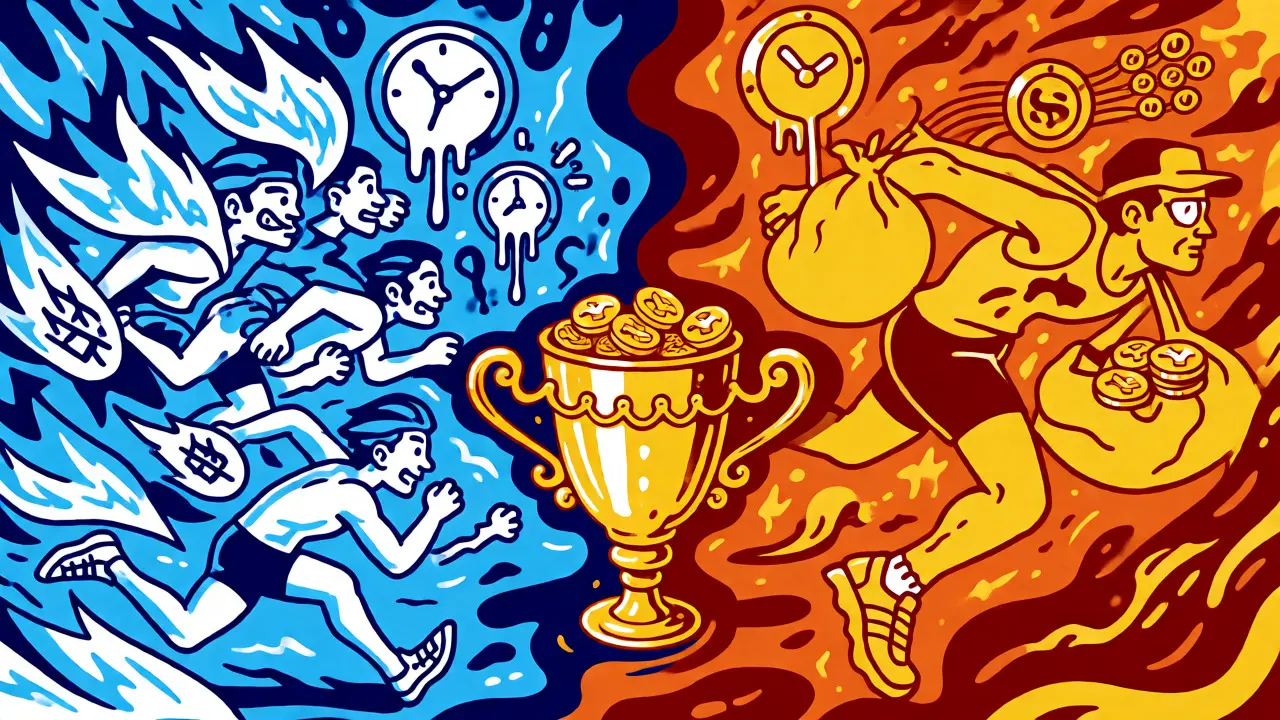
If you were active on Binance Alpha in early September 2025, you might have seen the notification pop up. This was the first wave of distribution, designed to reward loyal platform users. But it wasn’t free money; it cost points.
Here’s how the math worked:
- Threshold: You needed 220 Alpha points to start.
- Reward: Claiming gave you 4,000 SHARDS tokens.
- Cost: Each claim burned 15 points.
- Dynamic Pricing: Every hour, the required point threshold dropped by 15 points.
This hourly drop created a frantic race. Early birds paid more points for the same amount of tokens. Latecomers could jump in with fewer points, but they risked running out of inventory since claims were first-come, first-served. If you didn’t confirm your claim within 24 hours, you forfeited your spot. Tokens went straight to your spot wallet, so no waiting around for withdrawals.
Bybit Megadrop: The Staking Marathon
While Binance focused on quick point-burns, Bybit took a slower, more strategic approach through their Megadrop program. This campaign ran longer, ending on September 3, 2025, right before the listing date. Bybit positioned itself as the second-largest exchange globally, and they leveraged that volume to create a massive 60,000,000 token prize pool.
Participation here required more than just clicking a button. You had to actively engage with the platform:
- Stake Assets: Lock up USDT or MNT in Fixed Term Bybit Earn to accumulate base points.
- Trade Daily: Multiply your score by executing Spot trades every day.
- Cap Rewards: Individual users could claim up to 1% of the total pool.
Rewards weren’t instant. They were distributed in three batches between September 5 and 9, 2025. This staggered release helped manage selling pressure when the token hit the open market on September 5.
Market Expectations vs. Reality
So, did people make money? Historical data for Alpha listings suggests new tokens often see a 30%-60% price bump immediately after trading begins. For SHARDS, analysts projected short-term gains of 20%-40%, driven partly by hopes of interest rate cuts that would boost risk-on assets like crypto.
But here’s the catch with gaming tokens. They don’t behave like Bitcoin or Ethereum. Their value is tied to player sentiment. If the game feels buggy or boring, the price can retrace 15%-25% quickly, regardless of broader market trends. During the analysis period, trading volume dipped slightly by 7.96%, signaling some hesitation among traders despite the optimistic projections.
| Feature | Binance Alpha | Bybit Megadrop |
|---|---|---|
| Mechanism | Point Burn (First-Come, First-Served) | Staking & Trading Volume |
| Entry Cost | 15-220 Alpha Points | Locked USDT/MNT + Daily Trades |
| Distribution | Instant upon claim | 3 Batches (Sept 5-9, 2025) |
| Total Pool | Not specified (Per user limit) | 60,000,000 SHARDS |
Why This Matters for Gamers and Investors
If you’re a gamer, SHARDS represents an attempt to fix the "play-to-earn" fatigue. Many previous Web3 games failed because the economy collapsed once speculators sold off their initial rewards. By using a dual-exchange distribution model, WorldShards aimed to spread ownership wider rather than concentrating it in whales.
For investors, the lack of team allocation is a bullish signal. In traditional crypto projects, insiders often hold 20-30% of the supply. With WorldShards, that number is zero. This reduces the risk of sudden dumps by VCs who bought in at fractions of a cent. However, long-term success still hinges on one thing: Is the game actually fun? If players stick around, the demand for SHARDS remains stable. If they churn out, the token loses utility.
Risks You Should Watch Out For
Don’t let the "free token" narrative blind you. There are real risks involved in participating in these types of campaigns.
- Phishing Scams: High-profile airdrops attract fake websites. Always verify URLs. Never connect your wallet to a site asking for your seed phrase.
- Volatility: Gaming tokens are highly sensitive to news cycles. A delayed game update can tank the price overnight.
- Regulatory Uncertainty: As governments tighten rules on crypto, especially regarding securities classification for gaming tokens, future compliance issues could impact liquidity.
- Platform Dependency: Your ability to trade easily depends on the exchanges listing SHARDS. While Binance and Bybit are giants, delisting risks always exist.
How to Protect Your Gains
If you managed to claim SHARDS, what should you do now? Don’t just leave them sitting in an exchange wallet if you plan to hold long-term. Consider moving significant amounts to a hardware wallet. Also, keep an eye on the game’s development roadmap. Regular updates and active community engagement are good signs that the team is building something sustainable, not just pumping a token.
Remember, airdrops are marketing tools. They generate hype and initial liquidity. But they don’t guarantee profit. Treat any SHARDS you received as speculative assets. Only invest money you can afford to lose, and never chase the price blindly based on social media hype alone.
Did everyone get the same amount of SHARDS?
No. On Binance Alpha, everyone who met the point threshold claimed 4,000 SHARDS, but the cost in points varied depending on when you claimed. On Bybit, rewards depended on how much you staked and traded, capped at 1% of the total pool per user.
Can I still buy SHARDS today?
Yes, SHARDS listed on major exchanges like Bybit and Binance following the airdrop events in September 2025. You can trade it on the secondary market, though liquidity may vary compared to top-tier coins.
Why was there no team allocation?
The project adopted a "fair launch" model to ensure decentralization. By skipping private sales and team allocations, they aimed to prevent insider dumping and align incentives purely with community growth and game adoption.
What happens if I miss the claim window?
On Binance Alpha, unconfirmed claims within 24 hours were forfeited. For Bybit, rewards were auto-distributed in batches, so missing the participation deadline meant you simply didn't earn points for that cycle.
Is WorldShards only for PC gamers?
No. One of the key selling points of WorldShards is cross-platform compatibility. It supports PC, mobile devices, and consoles, aiming to reach a broader audience beyond just hardcore PC gamers.