DEX Security: Risks and Protections in Decentralized Finance
Imagine sending $10,000 worth of cryptocurrency to a stranger without a receipt, without customer support, and with the knowledge that if you make a single typo, that money is gone forever. This isn’t a dystopian nightmare; it’s the daily reality for millions of users trading on Decentralized Exchanges (DEXs), which are blockchain-based trading platforms that enable peer-to-peer cryptocurrency transactions without central intermediaries. Since Uniswap launched its first version in November 2018, these platforms have grown from niche experiments into financial powerhouses. In Q1 2025 alone, DEXs processed $1.37 trillion in volume. But this growth comes with a steep price tag: $1.48 billion lost to exploits in 2024.
You might be asking why anyone uses them at all. The answer lies in control. Unlike centralized exchanges like Binance or Coinbase, where a company holds your funds, DEXs are non-custodial. You keep your private keys. You own your assets. But as the saying goes, with great power comes great responsibility-and in crypto, that responsibility often means becoming your own security team.
The Hidden Dangers of Smart Contracts
At the heart of every DEX is code. Specifically, smart contracts written primarily in Solidity (used by 87.6% of implementations) or Rust. These self-executing agreements automate trades, manage liquidity pools, and handle settlements. They are supposed to be immutable and secure. Yet, they are also the primary target for hackers.
In 2024, 63.2% of user losses on DEXs stemmed directly from smart contract vulnerabilities. Dr. Ari Juels from Cornell Tech warned at Consensus 2025 that 43.7% of audited DeFi protocols still contain critical vulnerabilities. Why? Because audits are not guarantees. Many projects engage in "audit shopping," seeking out lenient firms rather than rigorous ones. A superficial fix doesn’t mean the code is safe. It just means one specific set of eyes didn’t see the flaw.
Consider the mechanics of an Automated Market Maker (AMM). When you swap tokens, you interact with a liquidity pool-a reservoir of paired assets. If the math governing that pool has a bug, arbitrage bots can drain it in seconds. The Velocore exploit in June 2024 cost the platform $6.8 million because attackers manipulated the pricing algorithm before circuit breakers could kick in. This is why modern DEXs now implement timelock contracts, delaying parameter changes by 48-72 hours, giving developers time to pause operations if something looks wrong.
User Error: The Biggest Threat to Your Funds
While high-profile hacks make headlines, the most common way people lose money on DEXs is through their own mistakes. Georgia Tech’s May 2025 usability study found that 78.4% of new users required three or more failed attempts to complete their first trade. The learning curve is brutal.
Here are the most frequent pitfalls:
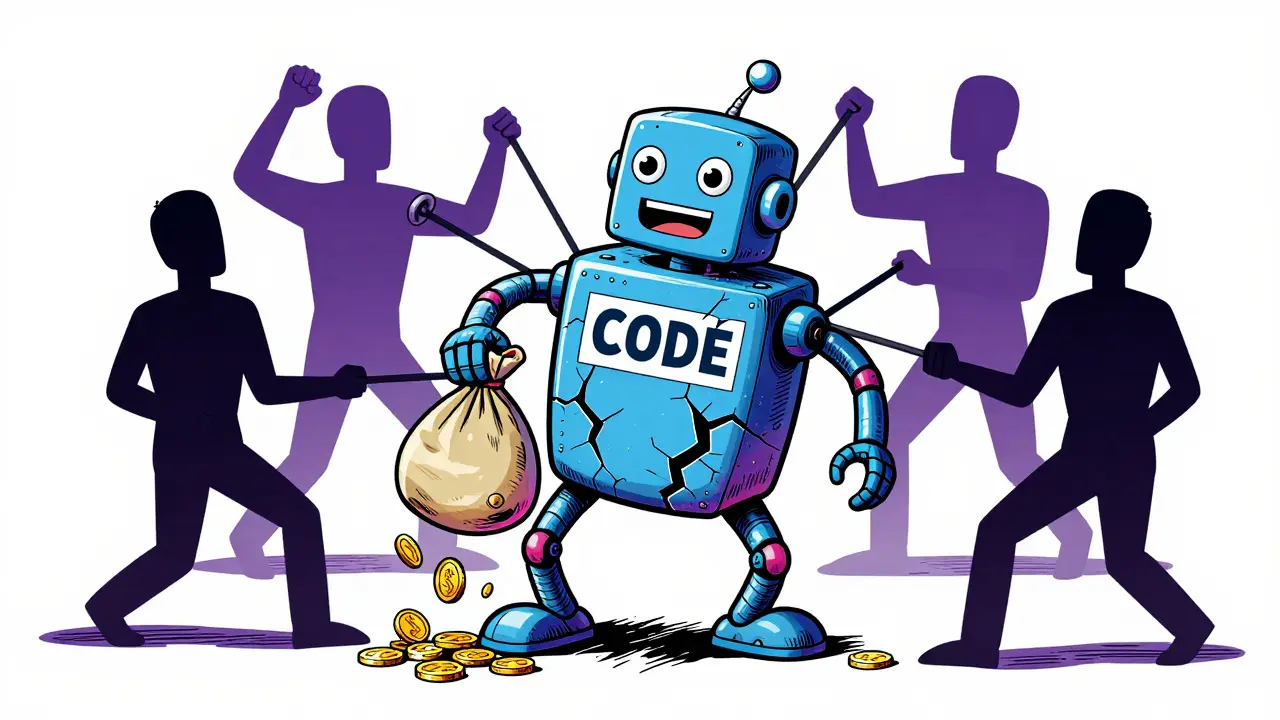
- Infinite Token Approvals: When you connect a wallet to a DEX, you often grant permission for a contract to spend your tokens. Many interfaces default to "infinite" approval. If that DEX is later compromised, hackers can drain your entire balance using that existing permission. Always use tools like Revoke.cash to check and remove old approvals.
- Slippage Misconfiguration: Slippage tolerance determines how much price change you accept during a trade. Set it too low, and your transaction fails. Set it too high, and you might accidentally buy a rug-pull token at an inflated price. 43.2% of user loss incidents involved misconfigured slippage settings.
- Phishing Interfaces: Hackers clone popular DEX websites. They look identical but redirect funds to their wallets. Always bookmark official URLs and verify contract addresses on block explorers like Etherscan. Never click links from DMs or social media ads.
A Trustpilot review from May 2025 documented a user losing $8,450 after accidentally approving infinite token allowance on Uniswap. This isn’t rare; Cyvers’ 2025 security survey showed 19.3% of users have granted excessive permissions unknowingly. Your wallet is your bank vault, but you’re handing out master keys to every app you touch.
Oracle Manipulation and Price Feeds
DEXs don’t know the real-world price of Bitcoin or Ethereum on their own. They rely on oracles, which are services that provide external data to blockchain networks. The two dominant providers are Chainlink and Pyth, controlling 73.2% of price feeds. While generally robust, this creates a single point of failure.
If an oracle feed is manipulated-either through a hack or a flash loan attack-the DEX will execute trades based on false prices. Imagine lending against ETH when the oracle says ETH is worth $10,000, while the actual market price is $2,000. You’d be undercollateralized instantly. CoinDesk’s January 2025 investigation revealed that 68% of DEXs claiming "full decentralization" actually rely on these centralized oracle providers. True decentralization requires decentralized data, a challenge the industry is only beginning to solve with cross-chain integrations like Chainlink’s CCIP.
Layer 2 Solutions and Gas Fees
One major driver of DEX adoption is cost. On Ethereum mainnet, gas fees averaged $1.85 per transaction in Q2 2025, down from $4.22 in late 2024 thanks to the EIP-4844 upgrade. However, for small trades, even $1.85 is prohibitive. This has pushed users toward Layer 2 solutions like Arbitrum and Optimism, which offer faster settlement and lower costs.
| Network | Avg. Transaction Cost | Finality Time | Market Share |
|---|---|---|---|
| Ethereum Mainnet | $1.85 | 12-15 seconds | 63.2% |
| BNB Chain | $0.10 - $0.30 | 3-5 seconds | 21.7% |
| Arbitrum (L2) | $0.01 - $0.05 | ~1 second | 8.4% |
| Solana | <$0.01 | 0.8 seconds | Growing rapidly |
However, moving to L2s introduces new risks. Bridges-the gateways between mainnet and L2-are historically vulnerable. Additionally, some L2 sequencers operate centrally, reintroducing counterparty risk that DEXs were designed to eliminate. Always verify the security model of the bridge you’re using.
Regulatory Shifts and KYC Requirements
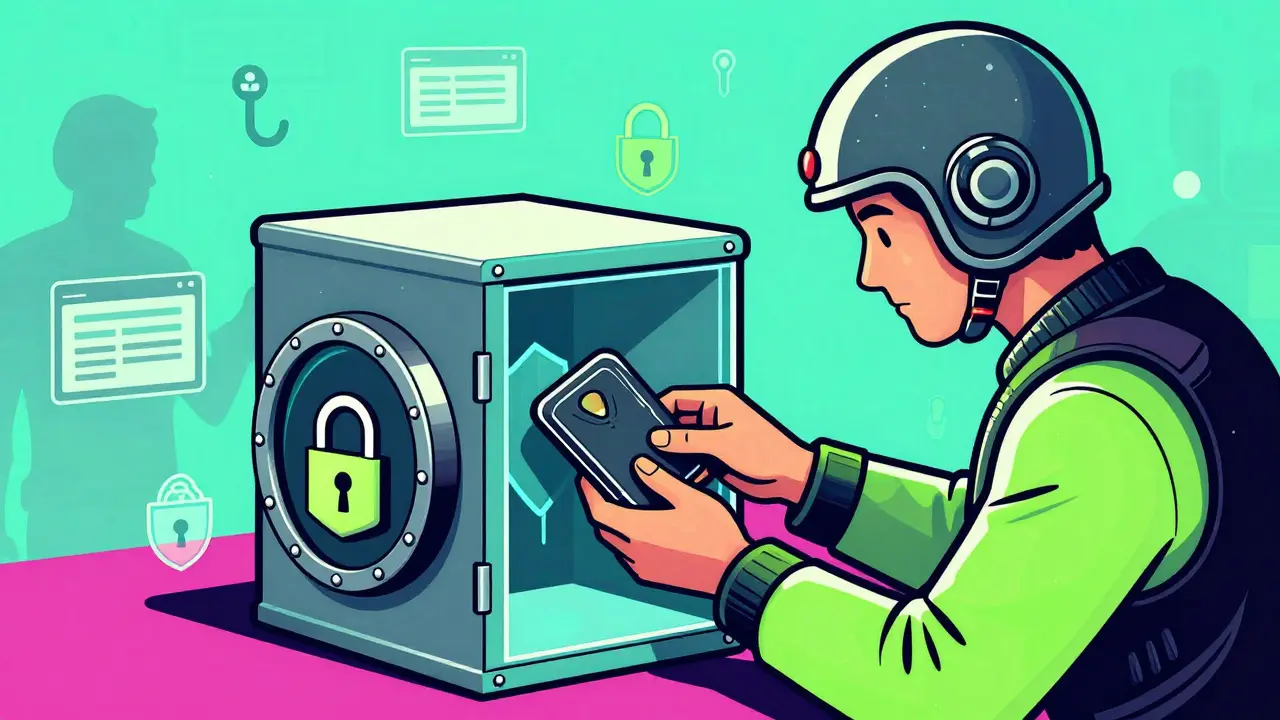
The era of anonymous crypto trading is facing pressure. The EU’s MiCA framework, effective June 30, 2025, requires DEXs to implement optional KYC (Know Your Customer) procedures for EU users. Meanwhile, the SEC’s April 2025 "DEX Framework" guidance targets platforms with centralized governance, requiring them to register as exchanges.
This creates a paradox. Users flock to DEXs for privacy and censorship resistance. Yet, regulatory compliance demands identity verification. Currently, 89.7% of DEXs lack mandatory KYC, but 67.3% of new DEXs are incorporating optional KYC layers. For institutions, this is a relief. For privacy advocates, it’s a compromise. Understanding these legal boundaries is crucial, especially if you’re operating in regulated jurisdictions like the US or EU.
Practical Steps to Secure Your Trades
Protecting yourself on a DEX requires a proactive approach. Here is a checklist for safer trading:
- Use a Hardware Wallet: Connect a device like Ledger or Trezor. Keep your private keys offline. Never store large amounts in hot wallets like MetaMask.
- Verify Contract Addresses: Before interacting, copy the token contract address from a trusted source (like CoinGecko) and paste it directly into your wallet. Do not click links.
- Limit Approval Amounts: Use interfaces that allow you to approve only the exact amount needed for a trade, not infinite access.
- Start Small: Test new protocols with minimal funds. If you’re trying a new aggregator or L2 bridge, send $10 first. Wait for confirmation. Then scale up.
- Monitor Gas Prices: Use tools like EIP-1559 estimators to avoid overpaying. High gas fees don’t speed up transactions indefinitely; they just burn money.
Tools like 1inch and Matcha offer aggregated routing across multiple DEXs, improving price discovery. However, aggregators add complexity. Ensure they have reputable security audits and transparent fee structures.
Are DEXs safer than centralized exchanges?
It depends on what you value. DEXs eliminate custodial risk-you hold your own keys, so no single entity can freeze or steal your entire account balance in a breach. In 2024, there were zero custodial hacks on major DEXs compared to $427 million lost in CEX breaches. However, DEXs carry higher operational risks from smart contract bugs and user error. If you forget your seed phrase, your funds are gone forever. On a CEX, you can reset your password.
What is slippage tolerance and why does it matter?
Slippage is the difference between the expected price of a trade and the executed price. In volatile markets or illiquid pools, prices move quickly. Setting a tight slippage (e.g., 0.1%) may cause your transaction to fail. Setting it too wide (e.g., 5%) exposes you to front-running bots or accidental purchases of worthless tokens. For stablecoins, 0.1-0.5% is usually sufficient. For volatile assets, 1-2% is common.
How do I revoke token approvals?
You can use free tools like Revoke.cash or the built-in features in wallets like MetaMask. Connect your wallet, scan for active approvals, and revoke any that are no longer needed or seem suspicious. This prevents compromised contracts from draining your funds using previously granted permissions.
Is my identity hidden on a DEX?
Transactions are pseudonymous, not anonymous. Your wallet address is public, and all activity is recorded on the blockchain. While your name isn’t attached, sophisticated analytics firms can link addresses to identities through IP logs, KYC data from connected services, or behavioral patterns. Regulatory frameworks like MiCA are pushing for optional KYC, further reducing anonymity.
Why do DEX transactions sometimes fail?
Common reasons include insufficient gas fees, incorrect slippage settings, or network congestion. Also, if the liquidity pool changes significantly between the time you sign the transaction and when it processes, the price impact may exceed your slippage tolerance, causing the revert. Always check current network conditions and adjust parameters accordingly.
Ruben Michel
May 17, 2026 AT 17:41The notion that one must resort to such pedestrian platforms as decentralized exchanges is, frankly, a testament to the intellectual laziness of the modern crypto enthusiast. One does not simply 'trust' code written by amateurs in their basements; one relies on established financial institutions with rigorous compliance frameworks and insured deposits. The fact that you are voluntarily exposing your capital to smart contract vulnerabilities, which are essentially digital loopholes waiting to be exploited by the unscrupulous, suggests a profound misunderstanding of risk management. It is akin to carrying cash in a transparent bag through a high-crime district because you dislike banks. The allure of 'non-custodial' control is merely a euphemism for the absence of recourse when things inevitably go wrong, which they always do in this Wild West environment.
Bronwen Butler
May 19, 2026 AT 14:50everyone here acting like audits are some kind of holy grail is missing the point entirely. audits are just marketing tools for scammers who want to look legit before they rug pull. i have seen more secure systems built by random github users than those million dollar audited protocols. the real issue is that people treat code like law instead of recognizing it as a suggestion. if you think an audit means safety you are already dead. just keep your funds in cold storage and never touch a dex unless you are trying to lose money fast
Pauline Larocco71
May 20, 2026 AT 15:18i totally get why people are scared but honestly it feels like we are learning together every day. my first time using uniswap was so confusing i almost cried lol but now i feel like a pro! its important to remember that everyone starts somewhere and making mistakes is part of the journey. please dont let the scary stats stop you from exploring though because the community is really supportive once you find the right groups. just take it slow and maybe use a small amount at first so you can learn without stress. we are all in this together friends!
beti macedo
May 21, 2026 AT 05:59It is truly inspiring to see how technology empowers individuals to take control of their financial destiny despite the challenges presented. The resilience shown by the DeFi community in overcoming security hurdles demonstrates a remarkable commitment to innovation and self-sovereignty. We should celebrate these advancements while remaining vigilant about best practices such as regular revocation of approvals and careful verification of contract addresses. The future holds immense promise for those willing to educate themselves and adapt to new paradigms of trustless interaction. Let us continue to support each other in this exciting evolution of finance.
Michelle Bonahoom
May 21, 2026 AT 12:24why do we even need these foreign scams ruining our economy? centralized exchanges are safer because they follow rules unlike this anarchist nonsense. most of these dex developers are probably hiding behind servers overseas laughing at us while we lose our hard earned dollars. i say ban them all and stick to what works. no need for complicated code when you can just use a bank account like normal people do
Matt Davis
May 21, 2026 AT 14:50You absolute imbeciles are walking into a trap with your eyes wide open! The entire premise of 'decentralization' is a lie sold to you by venture capitalists who want to offload their bags onto retail suckers. I have been watching this circus since 2017 and every single time the same script plays out: hype, hack, collapse, repeat. Do not pretend you understand the mechanics when you cannot even spell Solidity correctly. Your arrogance is your downfall and I will be there to watch you burn.
Albert Lee
May 22, 2026 AT 14:05I hear the frustration in many of these comments and I want to validate that feeling of uncertainty. It is completely normal to feel overwhelmed by the technical complexity and the constant news of exploits. However, I believe that with the right mindset and education, you can navigate this space successfully. Think of each mistake as a lesson rather than a failure. You are building skills that will serve you well in the long run. Keep going and do not let fear dictate your actions.
Ankush Pokarana
May 23, 2026 AT 00:11the essence of decentralization lies not in the perfection of the code but in the philosophical shift towards individual sovereignty over assets. when we engage with smart contracts we are participating in a grand experiment of human cooperation without intermediaries. yes there are risks and vulnerabilities but these are inherent to any system that grants true freedom. the question is not whether it is safe but whether we value the principle of self custody enough to accept the responsibility. history shows that progress often comes with growing pains and this is merely the adolescence of a new financial era
Bianca Vilas Boas Lourenço
May 23, 2026 AT 19:58Oh wow, another article telling me how terrible everything is 😒 Like I care about your little statistics and boring warnings. I lost $50 last week and it was hilarious actually. At least I got a story out of it. You guys are so serious all the time. Life is too short to worry about slippage settings. Just click the button and hope for the best 🙄🔥
Yash Lodha
May 24, 2026 AT 04:03They want you to believe that oracles are neutral but have you considered the possibility that the price feeds are being manipulated by shadowy entities to control the market? The cross-chain integrations are merely Trojan horses designed to harvest your data across multiple blockchains. Trust no one and verify everything yourself because the narrative is crafted to keep you compliant. The real truth is hidden in the metadata of the transactions.
Sharada Vakkund
May 25, 2026 AT 04:37Let us create a welcoming space where everyone feels comfortable asking questions about DEX security. Whether you are a beginner or an experienced trader, your perspective is valuable. We can share tips on how to identify phishing sites and manage approvals safely. Together we can build a community that prioritizes safety and education over fear and speculation. Please feel free to contribute your experiences and insights below.
Sudarshan Anbazhagan
May 26, 2026 AT 09:42It is evident that the majority of participants in this discourse lack the requisite understanding of cryptographic principles and smart contract architecture. The reliance on Layer 2 solutions is a temporary fix for the scalability issues of Ethereum mainnet but introduces new attack vectors that are poorly understood by the average user. One must approach these platforms with extreme caution and a deep appreciation for the underlying mathematics. Ignorance is not bliss in this domain it is bankruptcy.
John Gonzalez Bentham
May 28, 2026 AT 03:08you guys are all wrong about the gas fees being the problem. the real issue is that ethereum is a bloated mess compared to solana. anyone who says otherwise is just paid shill. i switched to solana dexes and never looked back. the speed is insane and the costs are basically zero. stop listening to the eth maximalists and wake up to reality
Ellie Riddell
May 29, 2026 AT 10:19I sit here observing the chaos with a certain degree of amusement. People panic over every exploit as if it were the end of the world. Meanwhile the protocol continues to function and the innovators keep pushing boundaries. It is a fascinating dance between security and accessibility. Perhaps we should stop expecting perfection and start appreciating the incremental improvements. After all nothing worth having comes easy.