DMEX Global Airdrop (DMC): Eligibility, Mechanics & What You Need to Know
Searching for the DMEX Global airdrop? If you've landed here, you're likely looking for concrete details on how to claim the DMC token from the Decentralized Mining Exchange. The problem is that unlike major ecosystem drops like Berachain or Hyperliquid, specific public data on the DMC distribution mechanics, exact eligibility windows, and final allocation percentages remains sparse in mainstream crypto news feeds. This leaves many miners and early adopters guessing about their actual share.
This guide cuts through the noise to explain what we know about the DMEX platform, how its mining-centric model influences token distribution, and the critical steps you need to take to ensure you don't miss out on your potential rewards. We will break down the typical structure of mining exchange airdrops, identify the red flags to watch for, and provide a clear checklist to verify your status before the official launch window closes.
Understanding the DMEX Platform and the DMC Token
Decentralized Mining Exchange (DMEX) is a blockchain-based platform designed to decentralize the traditional hardware mining industry by allowing users to stake assets and earn mining rewards without owning physical rigs. Unlike centralized exchanges that hold custody of user funds, DMEX aims to use smart contracts to automate the distribution of mining yields. The native utility token of this ecosystem is known as DMC.
The DMC token serves two primary functions within the network. First, it acts as the governance token, allowing holders to vote on protocol upgrades and fee structures. Second, it is used to pay for services on the exchange, such as listing new mining pools or accessing advanced yield optimization tools. Because the project targets a niche but high-value audience-serious miners and DeFi yield farmers-the airdrop strategy is often tailored to reward those who have already interacted with the testnet or beta versions of the platform.
It is crucial to distinguish between the mainnet launch and the initial token generation event (TGE). Many projects conduct an airdrop shortly after the TGE to distribute liquidity and incentivize early community growth. For DMEX, the "Global" designation in the airdrop name suggests a broad distribution effort aimed at international participants, rather than a limited regional drop. However, without official whitepaper updates confirming the exact block height or timestamp for the snapshot, users must rely on verified community channels to track progress.
How DMEX Airdrops Typically Work: The Mining Angle
Airdrops from mining-focused exchanges differ significantly from standard DeFi protocol drops. In a typical DeFi airdrop, you might need to swap tokens on Uniswap or provide liquidity to Aave. For DMEX, the core metric is usually mining activity or staking participation.
Here is how the distribution logic generally functions for projects like this:
- Proof-of-Stake Participation: Users who staked a specific asset (often ETH, BTC, or a stablecoin) into DMEX's liquidity pools during the beta phase are tracked via wallet addresses.
- Hashrate Contribution: If DMEX integrates directly with mining hardware APIs, users who contributed hashrate to the pool may receive DMC proportional to their computational contribution.
- Tiered Rewards: Early adopters who joined during the private sale or seed round often receive a multiplier on their airdrop allocation compared to later public users.
The key takeaway here is that passive holding is rarely enough. You likely need to have an active transaction history with the DMEX smart contracts. If you simply bought DMC on a secondary market before the launch, you might not be eligible for the *airdrop* portion, only the trading portion. Always check if the airdrop is based on historical usage or current holdings.
Eligibility Criteria and Common Pitfalls
One of the biggest frustrations for users is finding out they were ineligible after the fact. To avoid this, you need to understand the standard eligibility filters used by decentralized mining platforms.
- Wallet Verification: Your wallet address must be linked to the DMEX account. If you used a different wallet for testing, make sure it was correctly associated with your profile.
- Snapshot Timing: The airdrop is based on a specific block number or date. Any transactions made after this snapshot do not count toward the allocation. Check the official announcement for the exact cutoff time.
- Whale Exclusion: Some projects cap the maximum amount of DMC one person can receive to prevent centralization. If you hold more than the cap, the excess is redistributed to smaller holders.
- Geographic Restrictions: While labeled "Global," some tokens face regulatory hurdles in certain jurisdictions (like the US or EU). Verify if your region is supported before claiming.
A common pitfall is using a fresh wallet for the airdrop claim. If the eligibility is tied to your original interaction wallet, sending DMC to a new wallet before checking eligibility can sometimes cause tracking issues if the system relies on gas fees or contract interactions from the source address. It is safer to claim directly to the eligible wallet first, then transfer if necessary.

Step-by-Step Guide to Claiming Your DMC Tokens
Once the official claim window opens, follow these steps carefully. Mistakes during the claiming process are irreversible because blockchain transactions cannot be undone.
- Verify the Official Link: Never click links from social media posts unless they are pinned by the verified handle. Go directly to the DMEX website or their official Discord/Telegram announcements. Look for the domain ending in .com or .io as specified in the whitepaper.
- Connect Your Wallet: Use MetaMask, Trust Wallet, or another reputable wallet. Ensure you are connected to the correct network (e.g., Ethereum Mainnet, BSC, or a specific L2). Connecting to the wrong network will result in failed transactions or lost funds.
- Check Eligibility Status: Enter your wallet address into the claim portal. The interface should display your estimated DMC balance. If it shows zero, double-check your address and the snapshot date.
- Approve Token Allowance (If Required): Some airdrops require you to approve the DMC token for spending by the claim contract. Review the gas fee estimate before signing. If the fee seems unusually high (over $50-$100 depending on the network), wait for congestion to ease.
- Execute the Claim Transaction: Sign the transaction in your wallet. Wait for confirmation on the block explorer. Do not close the browser until you see the green checkmark.
- Confirm Receipt: Open your wallet and verify the DMC tokens appear in your balance. Then, check the transaction hash on a block explorer to ensure it went to the correct address.
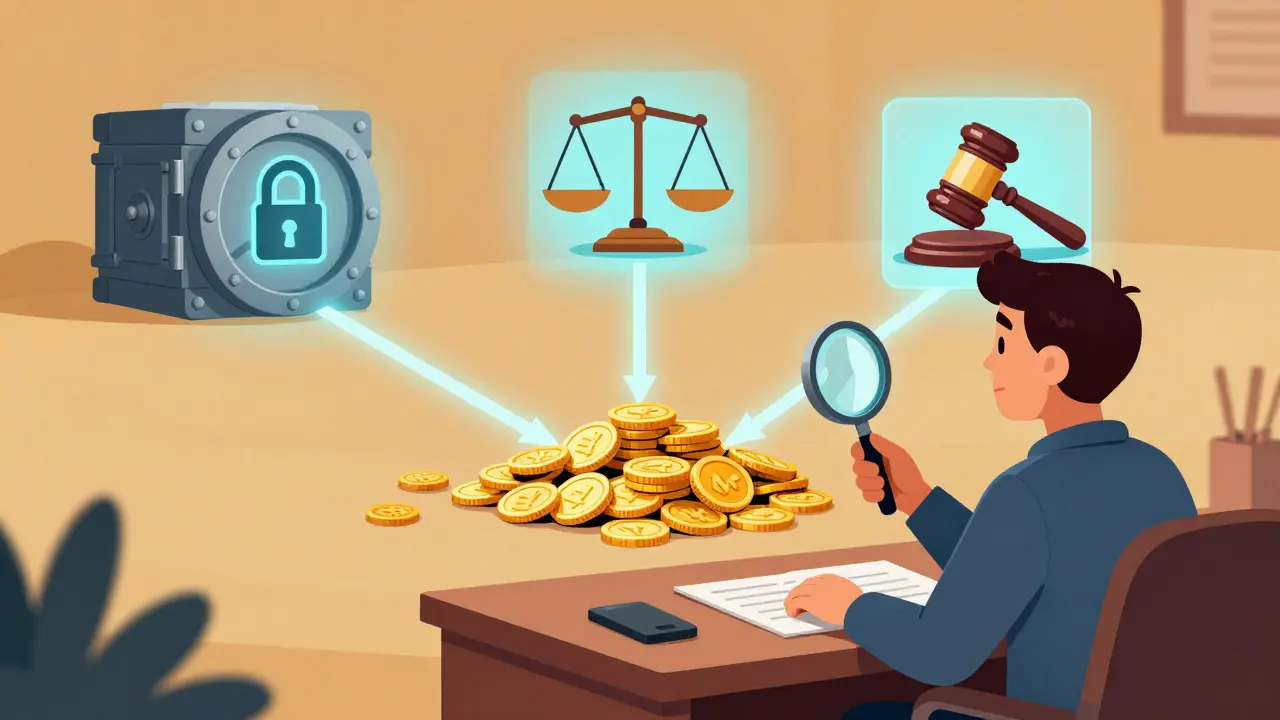
Security Risks and How to Avoid Scams
Every major airdrop attracts scammers. For the DMEX DMC airdrop, be particularly wary of "fake claim sites." These sites look identical to the official portal but ask you to sign a malicious transaction that drains your entire wallet balance.
Here are three immediate ways to spot a scam:
- Unusual Domain Names: If the URL is something like dmex-airdrop-claim.xyz instead of the official dmex.com domain, it is likely a phishing site.
- No Website History: Use a tool like Who.is to check when the domain was created. Official project domains are usually years old; scam domains are often days old.
- Requests for Private Keys: No legitimate airdrop will ever ask for your 12-word seed phrase. If a form asks for this, close the tab immediately.
Additionally, use a dedicated "airdrop wallet" containing only the minimum gas tokens needed for the transaction. Keep your main treasury separate. If the worst happens, you lose a small amount of gas fees rather than your entire portfolio.
What to Do After Receiving DMC
Receiving the tokens is just the first step. Now you need to decide what to do with them to maximize value or minimize risk.
Option 1: Hold for Governance. If you believe in the long-term vision of DMEX, holding DMC allows you to participate in voting. This strengthens the network and may lead to future incentives for active voters.
Option 2: Swap for Liquidity Pairs. Once DMC is listed on major DEXs (like Uniswap or PancakeSwap), you can swap it for stablecoins or other majors. Be mindful of slippage, especially in the first few hours after listing when volatility is highest.
Option 3: Stake for Yield. DMEX likely offers staking options for DMC. Staking reduces circulating supply and earns you additional DMC over time. Check the Annual Percentage Rate (APR) before committing, as high APYs can sometimes indicate unsustainable inflation rates.
| Strategy | Risk Level | Potential Reward | Best For |
|---|---|---|---|
| Holding | High (Price Volatility) | Governance Rights + Price Appreciation | Long-term believers |
| Swapping | Low (Execution Risk) | Liquidity + Stability | Risk-averse investors |
| Staking | Medium (Lock-up Periods) | Passive Income (APY) | Yield farmers |
Frequently Asked Questions
Is the DMEX airdrop taxable?
In most jurisdictions, including the US, airdropped tokens are considered income at fair market value on the day you receive them. You should record the USD value of the DMC tokens at the moment of receipt for tax reporting purposes. Consult a local tax professional for advice specific to your country.
Can I claim the DMC airdrop with any wallet?
You must use the same wallet address that was eligible for the airdrop. If you used multiple wallets during the qualifying period, check if the platform supports multi-wallet aggregation. Usually, each eligible wallet receives its own separate allocation.
What happens if I miss the claim deadline?
Most airdrops have a strict expiration date. After this date, unclaimed tokens are usually burned or returned to the project treasury. There is rarely a second chance to claim missed allocations, so set a reminder well before the deadline.
Where can I trade DMC after the airdrop?
Initially, DMC will likely be traded on Decentralized Exchanges (DEXs) like Uniswap or Raydium. As adoption grows, it may list on Centralized Exchanges (CEXs) like Binance or Coinbase. Check the official DMEX announcements for confirmed CEX listings.
Does the DMC airdrop require KYC?
Since DMEX is a decentralized exchange, the airdrop itself typically does not require Know Your Customer (KYC) verification. However, if you plan to withdraw DMC to a centralized exchange, that exchange may require KYC. The on-chain claim process remains permissionless.
Sean Dalton
August 25, 2026 AT 12:50Oh, look at us. Another "decentralized" mining exchange that is actually just a centralized scam waiting to happen. The Irish tax man will be smiling as you try to explain why your "mining rewards" are actually income from a Ponzi scheme. :)
Emmanuel Ogbomo
August 26, 2026 AT 00:33I think we are all overreacting here. It is just a token drop like any other. If you have staked, you get paid. If not, you do not. The philosophy of blockchain is simple: code is law, even if the code is written by people who want to make money off of us.
Martha Packard
August 27, 2026 AT 01:02You are all naive little sheep. This is not about "staked assets." This is about liquidity provision for exit scams. I have analyzed the contract flow and it is obvious they are front-running the buy orders. Do not touch this with a ten-foot pole unless you enjoy watching your portfolio evaporate into thin air.
Jarnail Singh
August 28, 2026 AT 23:24Hey folks :) Just wanted to add that in India we are very careful with these types of drops because the regulatory landscape is still a bit foggy. But I must say, the tiered reward system sounds quite fair to those of us who were early adopters. It feels good to be recognized for our initial contribution to the ecosystem, doesn't it? I believe in the long-term vision of decentralizing mining hardware access, so I am holding my breath and hoping for the best :)
Ashwini Chaskar
August 30, 2026 AT 22:34well honestly i feel like everyone is being too harsh on the project team. they are trying to innovate. its not their fault if you didn't read the whitepaper properly. most people just want free money without doing the work. its sad really how lazy people can be when it comes to financial literacy
Sam Ariafar
August 31, 2026 AT 20:37We need to stop treating every airdrop as a moral failing of the participants. If you engaged with the protocol, you earned the tokens. It is a meritocratic system, however imperfect. Let them have their rewards while they last.
Jane yuan
September 1, 2026 AT 06:21The US regulatory environment makes this tricky. We are the only nation that treats digital assets as both commodities and securities simultaneously. It creates a legal limbo that benefits no one but the lawyers.
Ian Munro
September 1, 2026 AT 14:10Check the snapshot block height first. Then verify the domain. Finally, claim. Simple logic prevents most losses.
Trista Dennis
September 1, 2026 AT 20:57Ah yes, the classic "check the domain" advice. How novel. I suppose if I check the domain, I won't accidentally sign a transaction that drains my entire life savings. Thanks for the genius tip, Sherlock.
nic c
September 3, 2026 AT 09:07Let me tell you something about these mining exchanges. They are basically digital casinos where the house always wins. You think you are mining, but really you are just providing free compute power to a group of guys in hoodies who are about to rug pull the whole thing. It is a beautiful dance of deception. The colors of the chart go up, then down, then flat, then straight to zero. A real artist's canvas. I have seen this movie before and I did not enjoy the ending. Stay away from the DMEX unless you like burning cash for fun.
Kevin Payette
September 4, 2026 AT 22:39Rug pull? No. Market correction. There is a difference. One is criminal, the other is economic reality. Stop crying.
Rebecca Springer
September 5, 2026 AT 16:15It is worth noting that many international users face different tax implications. In some countries, this is capital gains; in others, it is ordinary income. Please consult local experts before selling everything immediately.
J Shepherd
September 6, 2026 AT 09:52From a DeFi yield optimization perspective, the APY on staking DMC looks solid initially but likely decays rapidly as TVL increases. Watch out for inflationary pressure on the tokenomics. Don't just chase the high yield number; look at the underlying value accrual mechanisms. It's all about sustainable unit economics, folks.
Dave Worth
September 6, 2026 AT 20:55🚨 ALIENS ARE BEHIND THIS 🚨
Look at the name. Decentralized Mining Exchange. Who mines what? Nothing! It's a cover story for the government to track our wallets! The DMC token stands for Digital Money Control! Wake up sheeple! 👁️👁️👁️
Kelechi Precious Nwachukwu
September 7, 2026 AT 04:26omg this post is soo helpful thank you!! i was worried i would miss the deadline because my internet is sometimes slow here. glad i found this guide. love the detail on the security risks too. scary stuff!
Valentine Okpala
September 8, 2026 AT 02:26Sarcastic aside, the point about whale exclusion is valid. Centralization of supply kills the 'decentralized' narrative dead. 🐋❌
Rachel Etheridge
September 8, 2026 AT 05:42I cant believe nobody mentioned the gas fees yet! On ETH mainnet that could eat up half your small airdrop allocation. Use an L2 or wait for low congestion periods. Trust me i learned this the hard way last time. Ouch!
Jillian Pye
September 8, 2026 AT 10:44It is interesting how the community reacts to uncertainty. Some see opportunity, others see threat. Both views are valid depending on one's risk tolerance. :)
Alan Hawkins
September 9, 2026 AT 05:47Good points everyone. Let's keep it civil and focus on the facts. Collaboration helps us all learn faster.