How to Implement DCA Strategy for Bitcoin: A Step-by-Step Guide
Trying to time the Bitcoin market is like trying to catch a falling knife. One day it’s soaring past resistance levels; the next, it’s dropping 10% in an hour. Most investors lose sleep over these swings, wondering if they bought at the peak or missed the bottom. That stress is exactly why Dollar Cost Averaging (DCA) exists. It’s not about getting rich quick. It’s about removing emotion from your portfolio and building wealth steadily, regardless of what the charts are doing today.
If you’ve heard the term but aren’t sure how to actually set it up, you’re not alone. Many people understand the theory-buying small amounts regularly-but stumble on the execution. This guide breaks down exactly how to implement a Bitcoin DCA strategy in 2026, covering everything from choosing the right frequency to avoiding hidden fee traps that eat into your profits.
What Is Dollar Cost Averaging for Bitcoin?
Dollar Cost Averaging is an investment technique where you invest a fixed amount of money at regular intervals, regardless of the asset's price. In the context of Bitcoin, this means setting aside a specific sum, say $100, every week or month to buy BTC, whether the price is $40,000 or $90,000.
The magic happens in the math. When prices are high, your fixed amount buys fewer satoshis. When prices crash, that same amount buys more. Over time, this lowers your average entry price compared to trying to guess the perfect moment to dump all your cash in at once. It’s particularly effective for volatile assets like cryptocurrency, where price swings of 20-30% in a short period are common.
Unlike lump-sum investing, which requires you to have a large capital ready and the nerve to deploy it all at once, DCA spreads out your risk. It turns investing into a habit rather than a high-stakes gamble. For most retail investors, especially those new to blockchain knowledge, this psychological comfort is just as valuable as the financial benefit.
Step-by-Step: Setting Up Your Bitcoin DCA Plan
Implementing DCA isn’t complicated, but it does require discipline. Here is the practical framework to get started:
- Choose Your Amount: Decide on a sum you can afford to lose without impacting your daily life. Financial advisors often suggest using disposable income after bills and savings. A common example is allocating $500 per month. If that feels too high, start with $50. The key is consistency, not size.
- Pick a Frequency: How often will you buy? Daily, weekly, bi-weekly, or monthly? Weekly purchases smooth out price volatility better than monthly ones, but they may incur more transaction fees. Monthly is easier to manage alongside a salary cycle. There is no "perfect" interval, only what fits your budget and fee tolerance.
- Select a Platform: You need a reliable exchange that supports recurring buys. Look for platforms with low fees and strong security. Major centralized exchanges like Coinbase, Kraken, or Binance offer automated features. Some specialized platforms, like River Financial, focus specifically on Bitcoin accumulation with zero-fee recurring options.
- Automate It: The biggest enemy of DCA is human error. If you rely on memory, you’ll miss buys during busy weeks or panic during dips. Set up automatic recurring purchases so the trade executes automatically on your chosen schedule.
Once this system is running, your job is mostly done. You don’t need to watch charts or read news headlines every day. The strategy works best when you ignore short-term noise and stick to the plan for years, not months.
DCA vs. Lump-Sum: Which Wins?
This is the most debated question in crypto investing. Should you invest all your available capital at once (lump-sum) or spread it out (DCA)? The answer depends on market conditions and your risk tolerance.
| Feature | Dollar Cost Averaging (DCA) | Lump-Sum Investing |
|---|---|---|
| Risk Management | High (spreads entry points) | Low (single entry point) |
| Return Potential in Bull Markets | Lower (misses early upside) | Higher (captures full growth) |
| Psychological Stress | Low (automated, disciplined) | High (requires timing confidence) |
| Best Market Condition | Volatile or Bear Markets | Consistently Rising Markets |
| Complexity | Low (set and forget) | Medium (requires decision-making) |
Historically, lump-sum investing has higher returns in markets that trend upward consistently because your money is working harder from day one. However, Bitcoin is rarely consistent. It experiences brutal bear markets where prices can drop 70-80%. In those scenarios, lump-sum investors who bought at the top suffer massive unrealized losses and often panic-sell. DCA investors, meanwhile, keep buying cheaper coins, lowering their average cost basis. By the time the bull market returns, their lower average cost means they break even sooner and profit faster.
If you are confident Bitcoin will only go up from today’s price, lump-sum might win. But since no one can predict the future, DCA offers a safer path for most people. It protects you from buying the absolute top.

Hidden Costs: Fees and Spreads
When implementing DCA, especially with high-frequency buys like daily or weekly, transaction fees can silently destroy your returns. Many beginners overlook this critical factor.
Centralized exchanges typically charge a percentage fee per trade, ranging from 0.25% to 1.5%. If you’re buying weekly, that’s 52 transactions a year. At 1%, you’re paying 52% of your annual investment in fees! Even at 0.5%, that’s 26% gone before you make a dime in profit. Additionally, there’s the "spread"-the difference between the buy and sell price-which can add another 0.1-0.5% cost per trade.
To mitigate this:
- Use Zero-Fee Platforms: Services like River Financial offer zero-fee recurring Bitcoin purchases. This is ideal for small, frequent buys.
- Adjust Frequency: If your exchange charges fees, consider switching from weekly to monthly buys to reduce the number of transactions.
- Check Fee Tiers: Some exchanges offer lower fees for higher trading volumes or loyalty programs. Ensure you’re on the best tier possible.
Always calculate the total annual cost of your strategy. If fees exceed 1-2% of your total invested capital, your DCA plan needs adjustment.
The Psychology of Sticking to the Plan
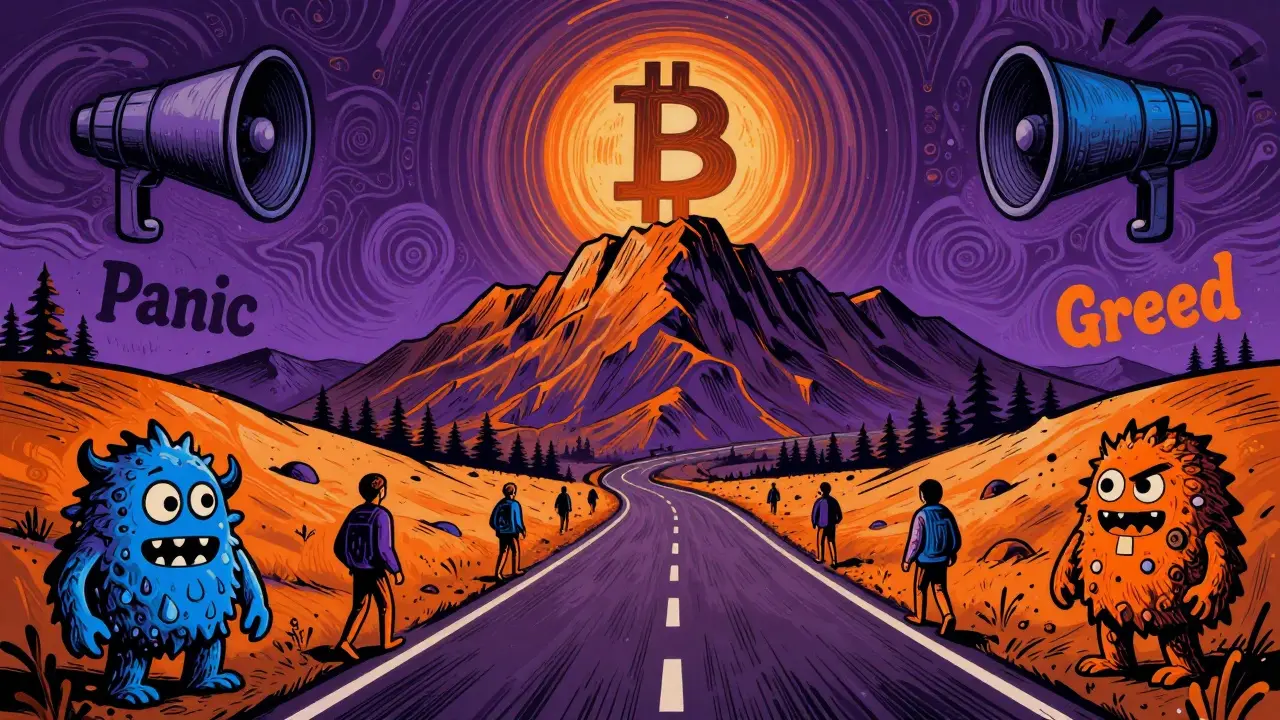
The hardest part of DCA isn’t the setup; it’s the mindset. During a bull run, when everyone is talking about Bitcoin hitting new highs, you’ll feel like you’re missing out by buying slowly. You’ll be tempted to stop DCA and go all-in. Resist this urge. Buying less Bitcoin when prices are high is exactly what the strategy intends.
Conversely, during a bear market, when headlines scream "Bitcoin is Dead," you’ll want to stop buying. This is the exact opposite of what you should do. DCA shines in downturns because you’re accumulating cheap coins. Staying consistent during these dark periods is what separates successful long-term investors from emotional traders.
Experts at OSL emphasize that "staying consistent will be key to reaping the long-term benefits of DCA." They warn against altering your strategy based on short-term market movements. Treat your DCA like a subscription service-you pay it every month regardless of whether you used the service heavily last month. It’s an investment in your future self.
Tools and Platforms for Automated DCA
In 2026, automation makes DCA easier than ever. You don’t need to manually execute trades. Here are some popular options:
- Coinbase: Offers simple recurring buys with a user-friendly interface. Good for beginners, though fees can be higher unless you use advanced trade features.
- Kraken: Known for strong security and competitive fees. Their auto-buy feature allows flexible scheduling.
- Binance: Provides extensive tools and low fees, suitable for more experienced users who want control over order types.
- River Financial: Specifically designed for Bitcoin-only investors. Zero fees on recurring buys make it a top choice for pure DCA strategies.
Whichever platform you choose, ensure it supports two-factor authentication (2FA) and has a solid reputation for security. Never store large amounts of Bitcoin on an exchange; consider transferring your accumulated holdings to a hardware wallet once you reach a significant threshold.
Common Mistakes to Avoid
Even with a simple strategy, pitfalls exist. Avoid these common errors:
- Changing Frequency Randomly: Don’t increase buys when prices rise and decrease them when prices fall. This defeats the purpose of DCA. Keep the amount fixed.
- Ignoring Taxes: In many jurisdictions, each purchase might not be a taxable event, but selling is. Keep records of your average cost basis for accurate tax reporting later.
- Over-Diversifying Too Early: While DCA can work for altcoins, Bitcoin is the most stable and liquid option for beginners. Stick to Bitcoin until you have a solid foundation.
- Stopping During Volatility: As mentioned, consistency is key. Missing buys during dips raises your average cost.
Remember, DCA is a marathon, not a sprint. It’s designed for wealth building over years, not days. Patience is your greatest asset.
Is DCA better than lump-sum investing for Bitcoin?
It depends on your risk tolerance. Lump-sum investing historically yields higher returns in rising markets but carries significant risk if you buy at a peak. DCA reduces risk and emotional stress by spreading purchases over time, making it ideal for volatile assets like Bitcoin and for investors who prefer a hands-off approach.
How much should I invest per month with DCA?
There is no minimum, but you should invest an amount that is comfortable and sustainable. Start with what you can afford to lose without affecting your lifestyle. Common examples range from $50 to $500 per month. Consistency matters more than the specific amount.
Should I DCA daily, weekly, or monthly?
Weekly or monthly is generally recommended for most investors. Daily DCA can lead to higher transaction fees and unnecessary complexity. Weekly buys offer a good balance between smoothing out volatility and managing costs. Monthly aligns well with salary cycles for many people.
Can I use DCA for altcoins instead of Bitcoin?
Yes, but it’s riskier. Altcoins are more volatile and less established than Bitcoin. For beginners, it’s safer to start with Bitcoin due to its liquidity and historical resilience. Once you have experience, you can apply DCA to other cryptocurrencies with careful research.
What are the biggest risks of DCA?
The main risks are transaction fees eating into profits if not managed properly, and the opportunity cost of missing out on rapid gains during strong bull markets. Additionally, if the underlying asset loses long-term value, DCA will result in larger losses than holding cash. Always do your own research on the asset’s fundamentals.