Piyasa Crypto Exchange: Scam Alert and Legitimate Alternatives
If you've seen "Piyasa Crypto Exchange" mentioned online, you might think it's a new platform to try. But here's the hard truth: Piyasa isn't a real crypto exchange. It's a fake name scammers use to trick people. Let's look at why this fake crypto exchange doesn't exist and how to protect yourself from similar scams.
Why "Piyasa" Isn't Real
The name "Piyasa" is the Turkish word for "market." Legitimate crypto exchanges don't use localized names without proper licensing. According to the Cryptolegal.uk registry, over 147 fraudulent platforms were reported in 2025. Industry experts at CoinDesk's Anti-Scam Task Force found that 63% of non-English named exchanges without regulatory licenses are scams. The 2025 Crypto Scam Observatory report by Chainalysis shows that 72% of such platforms disappear within 18 months. No authoritative source like NFTEvening, Coinspeaker, or FXEmpire lists Piyasa. This absence confirms it's not a legitimate operation.
Red Flags of Fake Crypto Exchanges
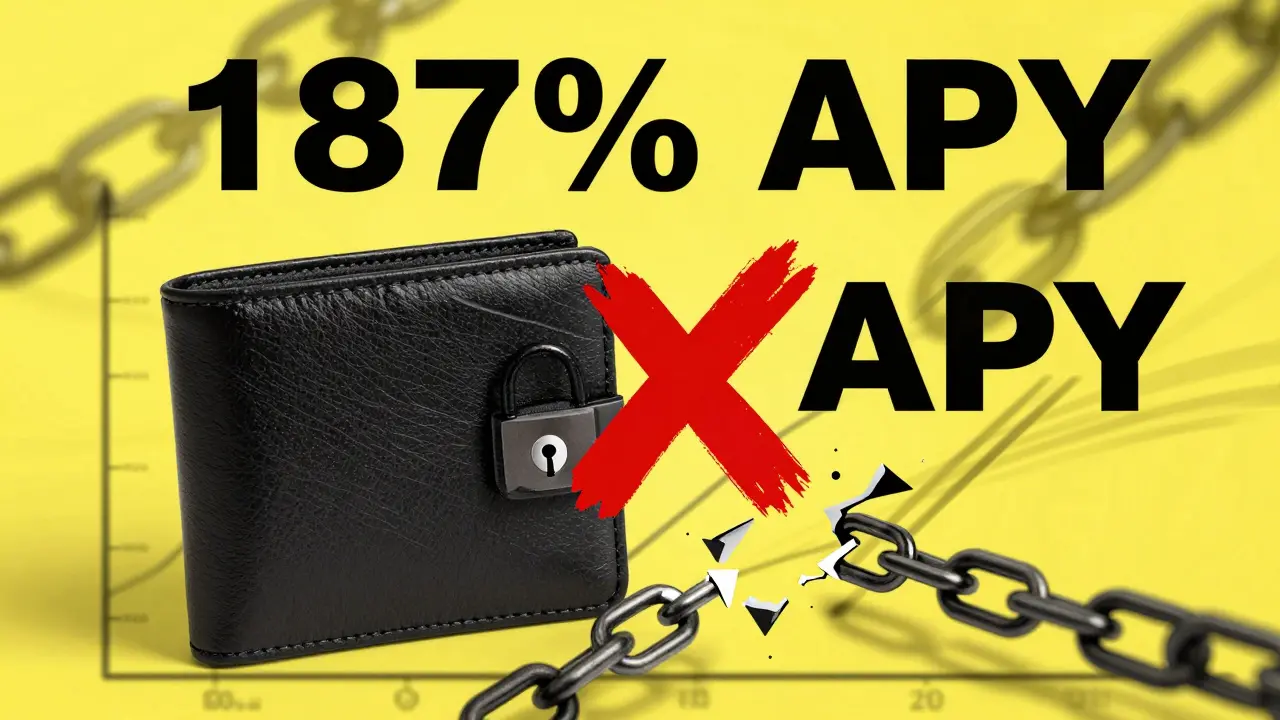
Fake exchanges like Piyasa have clear warning signs. They often promise "guaranteed returns" with unrealistically high APYs-like 187%-which is impossible in crypto markets. They require KYC checks only for withdrawals, not deposits. User reviews on Trustpilot or Reddit are either non-existent or suspiciously similar. Legitimate exchanges like Binance have thousands of reviews with varied feedback. Another red flag is no proof-of-reserves. Binance regularly publishes proof-of-reserves reports, while scams never do. Also, they lack regulatory licenses. For example, Kraken holds licenses in 17 jurisdictions, but fake exchanges have zero official registrations.
How to Verify a Crypto Exchange
Follow these steps to check any exchange:
- Check CoinGecko or CoinMarketCap: Legitimate exchanges appear here with verified trading volume. Piyasa doesn't show up in either.
- Look for regulatory licenses: Search for the exchange on government financial authority websites like the FCA (UK), SEC (US), or FINMA (Switzerland). Binance is licensed in 38 jurisdictions.
- Verify proof-of-reserves: Visit the Blockchain Transparency Institute's dashboard. Legitimate exchanges update this hourly. Scams never do.
- Review user feedback: Check Reddit's r/CryptoScams. Legitimate exchanges have consistent reviews; scams have artificial ratings with identical language.
- Check corporate registration: Legitimate exchanges list their legal entity details. Binance is registered as "Binance Markets Limited" in Malta (C 70027).
Legitimate Alternatives to Avoid Scams
Stick with exchanges that meet these standards:
Binance is a leading cryptocurrency exchange founded in 2017. It currently handles 42.3% of global spot trading volume as of Q3 2025 and is licensed in 38 jurisdictions worldwide. Binance's standard trading fee is 0.1%, and they maintain transparent proof-of-reserves. Kraken became the first US exchange to receive a banking charter in Wyoming. They hold 17 licenses globally and maintain transparent fee structures at 0.16% per trade. Kraken's cold storage protects 95% of user funds. Coinbase is regulated by the SEC and serves over 100 million users. Their standard fee is 0.5%, and they provide FDIC insurance on USD balances up to $250,000. Coinbase consistently appears in all major exchange rankings.What to Do If You Spot a Scam
If you encounter a platform like Piyasa:
- Do not deposit any funds. Withdraw immediately if you already have funds there.
- Report it to authorities: File a complaint with the FTC in the US or your local financial regulator.
- Warn others: Share your findings on Reddit's r/CryptoScams or Trustpilot.
- Check your accounts: If you used the scam, monitor for suspicious activity and change passwords.
Is Piyasa Crypto Exchange real?
No, Piyasa Crypto Exchange does not exist. It's a fake name used by scammers. The word "Piyasa" is Turkish for "market," but legitimate exchanges don't operate under localized names without proper licensing. No authoritative sources like CoinMarketCap or NFTEvening list it, and regulatory bodies have no record of it.
How can I check if a crypto exchange is legitimate?
Verify the exchange through these steps: check CoinGecko or CoinMarketCap for trading volume, confirm regulatory licenses with authorities like the FCA or SEC, review proof-of-reserves reports, and check user feedback on trusted platforms like Reddit. Legitimate exchanges like Binance and Kraken provide transparent details for all these checks.
What are the safest crypto exchanges to use?
Binance, Kraken, and Coinbase are among the safest. Binance handles 42.3% of global trading volume and is licensed in 38 jurisdictions. Kraken has a banking charter in Wyoming and maintains strong security protocols. Coinbase is SEC-regulated and offers FDIC insurance on USD balances. All three consistently appear in major exchange rankings and provide verifiable transparency.
Why do scammers use names like 'Piyasa'?
Scammers use localized names like "Piyasa" (Turkish for "market") to appear legitimate to specific regions. The International Organization of Securities Commissions (IOSCO) reports that linguistically localized fake exchanges are the third fastest-growing scam category. These names trick users into thinking the platform is local and trustworthy, but they lack any real regulatory presence or security measures.
What should I do if I used a fake crypto exchange?
If you deposited funds into a fake exchange like Piyasa, act immediately: withdraw any remaining funds, change passwords for all related accounts, and report the scam to your local financial regulator. The Global Crypto Consumer Protection Framework states that funds deposited into unregistered exchanges are often unrecoverable, so prevention is key. Always verify exchanges before using them.
Jordan Axtell
February 7, 2026 AT 14:28This scam is everywhere. People keep falling for it. It's not hard to see through these fake names, but somehow folks still trust them. The real issue is how easily people get scammed. They see "market" in Turkish and think it's legit. But no, it's just another scam. You need to check the licenses. Binance and Kraken are legit. Always verify. Stop trusting random names.
Danica Cheney
February 9, 2026 AT 01:45piyasa is fake. duh. but people still get scammed. lazy. why not check before investing. so many red flags. but they ignore it. easy money. but scams. yeah. just another example. why do people not learn
Matthew Ryan
February 10, 2026 AT 13:50Yeah, this is spot on. Binance and Kraken are solid choices. Always check the regulatory licenses. It's important to verify before using any platform. No point in taking unnecessary risks.
Mendy H
February 11, 2026 AT 01:14This is basic stuff. Anyone with half a brain would know to check CoinGecko. But no, people still fall for scams. It's just sad. The real issue is the lack of education. People don't even check the basics. It's embarrassing.
sabeer ibrahim
February 11, 2026 AT 09:41India's crypto scene is booming but these fake exchanges like Piyasa are still popping up. Scammers use Turkish words to target specific regions. But the real problem is the lack of awareness. We need better education. Always check CoinMarketCap. Binance is the go-to. Kraken too. But why do people ignore the red flags? It's frustrating. The government should act faster. But yeah, this post is right on point.
Deeksha Sharma
February 13, 2026 AT 02:32It's important to stay vigilant but also hopeful. The crypto space is evolving, and while scams like Piyasa exist, there are legitimate platforms like Binance and Coinbase that are making it safer. Education is key. Let's spread awareness so more people can protect themselves. Together we can make crypto safer for everyone. Stay safe out there!
Taybah Jacobs
February 13, 2026 AT 05:16It's crucial to verify any exchange before using it. Checking CoinGecko, regulatory licenses, and proof-of-reserves is essential. Binance and Kraken are reliable options. Always prioritize security to protect your investments.
Alisha Arora
February 13, 2026 AT 18:44People keep falling for these scams. It's so obvious. You check CoinGecko, see if it's listed. No? Then it's fake. Why don't people do that? Like, come on. Binance and Kraken are legit. Use them. Stop trusting random names. It's basic common sense.
Mrs. Miller
February 15, 2026 AT 13:02Oh, Piyasa. Because nothing says "legit" like a Turkish word for "market" with no license. Classic scam move. But hey, at least we have Binance and Kraken to fall back on. Maybe people should stop being so trusting. Or maybe they just don't know better. Either way, education is key. But yeah, this post is spot on.
Katie Haywood
February 16, 2026 AT 18:38Yeah, Piyasa is fake. Duh. But the real issue is how people still fall for it. I've seen so many scams like this. Always check CoinGecko. Binance is solid. Kraken too. Coinbase as well. Just do your homework. Don't be lazy. It's not hard. Just check the basics.
aryan danial
February 17, 2026 AT 17:15Oh, Piyasa. A Turkish word for "market." How quaint. But let's be clear: legitimate exchanges don't operate under localized names without proper licensing. The Cryptolegal.uk registry shows 147 fraudulent platforms in 2025. And CoinDesk's Anti-Scam Task Force found 63% of non-English named exchanges without regulatory licenses are scams. Chainalysis says 72% disappear within 18 months. So, yes, Piyasa is fake. But why do people still trust these? It's a lack of education. Always check CoinGecko. Binance is licensed in 38 jurisdictions. Kraken has a Wyoming banking charter. Coinbase is SEC-regulated. Do your homework
Ryan Chandler
February 18, 2026 AT 04:55Oh my goodness, this is such an important topic! Scammers are using fake names like "Piyasa" to trick people, but the truth is, there are legitimate exchanges out there. Binance, Kraken, and Coinbase are the real deal. Always check their licenses and proof-of-reserves. It's crucial to protect yourself. Don't let scammers take your money!
Ajay Singh
February 18, 2026 AT 10:14Piyasa is a scam.
Oliver James Scarth
February 20, 2026 AT 01:09It is imperative to scrutinise any cryptocurrency platform prior to engagement. The absence of regulatory licensing for 'Piyasa' is a glaring red flag. As per the Cryptolegal.uk registry, 147 fraudulent platforms were reported in 2025. CoinDesk's Anti-Scam Task Force corroborates that 63% of non-English named exchanges lacking regulatory credentials are indeed scams. Chainalysis further reports that 72% of such platforms vanish within 18 months. Legitimate exchanges such as Binance (licensed in 38 jurisdictions), Kraken (Wyoming banking charter), and Coinbase (SEC-regulated) provide verifiable transparency. Vigilance is paramount in navigating this landscape. Always check CoinGecko or CoinMarketCap for trading volume. Verify regulatory licenses with authorities like the FCA or SEC. Review proof-of-reserves reports. Check corporate registration details. These steps ensure you're not falling for a scam. Education is key in the crypto space. Prevention is better than cure. Stay safe.