TENFI Airdrop by TEN: Details, Eligibility, and How to Participate
Chasing the next big TENFI airdrop feels like trying to catch smoke with your bare hands. You see the buzz on social media, hear whispers about massive token distributions, and wonder if you missed the boat. But here is the hard truth: without official confirmation from the project team, most of what circulates online is noise-or worse, a trap.
If you are looking for concrete details on how to qualify for the TENFI distribution by the TEN Protocol, you need to separate verified facts from speculative rumors. This guide breaks down what we know, what we suspect based on industry standards, and exactly how to position yourself to capture value if this airdrop materializes. We will cover eligibility criteria, potential farming strategies, security red flags, and the timeline you should watch.
What Is the TEN Protocol and TENFI?
To understand the airdrop, you first need to understand the ecosystem. TEN Protocol is a privacy-preserving data infrastructure layer that allows users to control their personal data while enabling applications to access it securely. It uses zero-knowledge proofs (ZKPs) to verify data without revealing the underlying information. Think of it as a secure vault where you hold the keys, but apps can still prove things about you-like age or creditworthiness-without seeing your actual documents.
TENFI is the financial arm or decentralized finance (DeFi) component within the TEN ecosystem. While TEN handles the data layer, TENFI likely focuses on lending, borrowing, or yield generation using that private data as collateral or risk assessment tools. In many crypto ecosystems, the launch of a new module like TENFI is accompanied by an airdrop to incentivize early adopters and distribute governance power.
The relationship between these two entities is critical. TEN provides the infrastructure; TENFI provides the application. An airdrop for TENFI would logically reward users who have interacted with the TEN network’s testnets, mainnet, or early DeFi integrations. Understanding this distinction helps you target the right activities rather than spraying efforts across unrelated platforms.
Current Status: Official vs. Unofficial Information
As of mid-2026, there is no single, universally confirmed "drop date" for TENFI tokens floating in official documentation. This ambiguity is common in the crypto space. Projects often tease airdrops to drive engagement before locking in specifics. Here is how to navigate the current landscape:
- Official Channels Only: Trust only announcements from the verified TEN Protocol Twitter account, Discord server, and blog. Any Telegram group claiming to "guarantee" tokens is a scam.
- No Token Listing Yet: If you see a "TENFI" token trading on small exchanges, it is likely a fake. The real token has not been listed for public trading prior to its fair launch or airdrop distribution.
- Snapshots Are Silent: There have been no public statements about wallet snapshot dates. This means you cannot assume past activity guarantees future rewards, though it remains the best heuristic.
Why does this matter? Because in the absence of clear rules, the market operates on precedent. Most successful airdrops follow a pattern: interaction → snapshot → announcement → claim. Your job is to maximize interaction before the snapshot happens.
How to Qualify: Proven Strategies for Airdrop Hunters
Since specific criteria haven't been published, we look at what similar ZK-based projects have done. Projects like zkSync, StarkNet, and Scroll rewarded users who bridged funds, swapped tokens, and provided liquidity. For TENFI, the strategy likely revolves around data verification and DeFi participation.
1. Interact with the TEN Mainnet
The most basic requirement is usually having a non-zero balance or transaction history on the native chain. If TEN has launched its mainnet, ensure your wallet has sent and received transactions. Use small amounts to keep gas costs low, but enough to show active usage. Create multiple wallets if necessary, but avoid obvious sybil behavior (identical transaction patterns across hundreds of addresses).
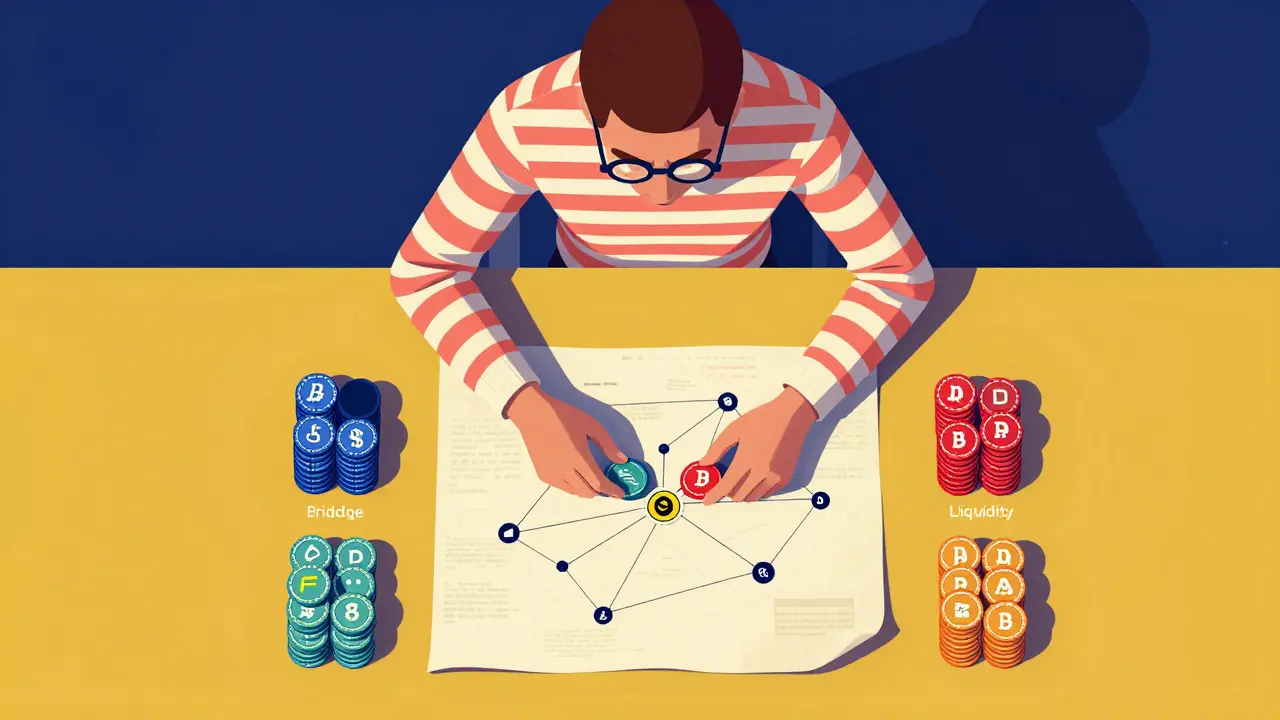
2. Bridge Assets
Bridging is a high-signal activity. It shows you are moving value into the ecosystem. If TEN supports bridges from Ethereum, Arbitrum, or Optimism, use them. Even bridging $10-$20 worth of ETH or USDC can register as a significant interaction for airdrop algorithms. Look for official bridge partners recommended by the TEN team.
3. Test Privacy Features
This is unique to TEN. Unlike generic L2s, TEN emphasizes privacy. Engage with any dApps built on top of TEN that require identity verification or data shielding. If there are beta versions of TENFI lending pools or data-marketplace features, participate in them. Submitting zero-knowledge proofs for simple tasks (like proving you are over 18) might be tracked.
4. Provide Liquidity or Swap
If a decentralized exchange (DEX) exists on the TEN network, swap tokens. Better yet, provide liquidity to pairs involving the native token or stablecoins. Liquidity providers are often heavily rewarded because they sustain the ecosystem’s functionality. Check if TENFI has integrated with popular DEX aggregators.
Eligibility Criteria: What Gets Tracked?
Airdrop algorithms typically score wallets based on several dimensions. While we don’t have the exact weights for TENFI, here are the standard metrics used in the industry:
| Metric | Description | Why It Matters |
|---|---|---|
| Transaction Count | Total number of txns on-chain | Shows consistent engagement over time |
| Time Span | Duration of activity (e.g., 3+ months) | Filters out bots that farm in one day |
| Unique Contracts | Number of different dApps used | Demonstrates ecosystem exploration |
| Volume | Total value transferred/swapped | Indicates economic significance |
| Governance Participation | Voting on proposals | Signals long-term commitment |
For TENFI specifically, expect additional weight on privacy-related interactions. If the protocol tracks how many times you’ve generated a ZKP or used a shielded pool, those actions could be multipliers. Don’t just spam transactions; make them meaningful.
Security First: Avoiding Airdrop Scams
The excitement around a potential TENFI drop makes you a target. Scammers create fake websites, Discord servers, and Telegram groups that mimic the official branding. They promise "free tokens" in exchange for connecting your wallet or signing a malicious contract.
Here is your defense checklist:
- Never Share Private Keys: No legitimate airdrop ever asks for your seed phrase or private key.
- Verify URLs: Double-check every link. Look for slight misspellings like "tenfi-official.com" vs "tenfi-officil.com".
- Use a Burner Wallet: Keep your main holdings in a cold wallet. Use a separate hot wallet with minimal funds for interacting with new protocols. If something goes wrong, you lose little.
- Revoke Permissions: After interacting with new dApps, regularly check sites like Revoke.cash to ensure you haven’t granted unlimited spending access to suspicious contracts.
- Ignore DMs: Support teams never message you first. If someone claims to be from TEN support, block them.
One signature request can drain your entire wallet. Treat every click as a potential threat until proven otherwise.
Timeline and Expectations
Crypto timelines are notoriously fluid. However, we can infer a rough schedule based on typical development cycles for ZK-rollups and DeFi modules:
- Mainnet Launch: If TEN’s mainnet isn’t fully live, expect it within the next few quarters. Airdrops rarely happen before mainnet stability.
- TENFI Beta: The DeFi module usually launches in beta mode first. This is when early testers get the highest rewards.
- Token Generation Event (TGE): This is when the token is created. It may coincide with an exchange listing or remain exclusive to holders initially.
- Airdrop Claim Window: Typically opens 1-2 weeks after TGE. You’ll have a limited time to claim your tokens before they expire.
Set calendar reminders to check the TEN blog monthly. Consistency beats intensity. Checking once a week is better than checking ten times a day and burning out.
Maximizing Your Reward: Advanced Tips
If you want more than the baseline allocation, consider these advanced tactics:
Engage in Governance: If TEN has a DAO or forum, post thoughtful comments, vote on proposals, and help moderate discussions. Social contribution is increasingly valued in Web3.
Referral Programs: Many projects offer bonus multipliers for referring new users. If TENFI launches a referral system, share your link with genuine community members, not bot networks.
Hold Native Tokens: Some airdrops reward stakers of the ecosystem’s native token. If TEN has a staking mechanism, consider allocating a portion of your portfolio there. It aligns your incentives with the project’s success.
Conclusion: Patience Pays Off
The TENFI airdrop represents an opportunity to gain exposure to a promising privacy-focused DeFi ecosystem. But it requires discipline. Don’t chase hype; build habits. Interact consistently, stay secure, and verify everything. Whether you receive 100 tokens or 10,000, the goal is to participate safely and ethically in the growth of the TEN Protocol.
Keep your eyes on the official channels. When the snapshot happens, you’ll want to be ready. Until then, treat every interaction as a step toward building your Web3 footprint.
When will the TENFI airdrop start?
There is no confirmed start date yet. Airdrops typically launch after the mainnet stabilizes and the DeFi module (TENFI) sees sufficient user activity. Monitor the official TEN Protocol blog and Twitter for announcements regarding snapshots and claim windows.
Do I need to buy TEN tokens to qualify?
Not necessarily. While holding native tokens can boost your score, most airdrops prioritize interaction metrics like bridging, swapping, and using dApps. You can qualify with small amounts of capital by focusing on frequency and diversity of transactions.
Is the TENFI token already tradable?
No. Any TENFI token currently listed on exchanges is likely a scam. The official token will only become tradable after the Token Generation Event (TGE) and official listing announcements from the TEN team.
How do I avoid getting scammed during the airdrop process?
Only use links from official sources. Never share your private keys. Use a burner wallet for interactions. Verify contract addresses before signing transactions. Be skeptical of anyone promising guaranteed large rewards via direct messages.
Can I farm the airdrop with multiple wallets?
Technically yes, but projects actively detect and ban Sybil attacks (multiple wallets controlled by one person). It is safer and more effective to deepen your activity on fewer wallets rather than spreading thin across many. Unique behavior patterns are harder to detect as bots.