The Recharge Incentive Drop Airdrop: Is It Real or a Scam? (2026 Guide)
You’ve probably seen the buzz about "The Recharge Incentive Drop" airdrop. Maybe you saw it on Twitter, Telegram, or a shady Discord server. The promise is simple: give them your wallet address, complete some tasks, and get free tokens. But here’s the catch-the name itself includes "Unknown details." That should set off alarm bells immediately.
In the world of cryptocurrency, if an airdrop doesn’t have clear, verifiable information, it’s likely not just unknown-it’s dangerous. This guide cuts through the noise to help you understand why this specific project raises red flags, how to spot similar scams in 2026, and what legitimate airdrops actually look like.
Why "Unknown Details" Is a Major Red Flag
Let’s be blunt: no legitimate blockchain project launches an incentive program with "unknown details." In the crypto industry, transparency isn’t optional; it’s the foundation of trust. When you see a title like The Recharge Incentive Drop paired with vague sourcing, you are looking at a classic setup for a phishing attack or a rug pull.
Legitimate projects, whether they are new Layer 2 solutions or established DeFi protocols, publish whitepapers, smart contract audits, and clear terms of service. They tell you exactly who is behind the project, where the funds come from, and how the distribution works. If the source is literally labeled as "Unknown," there is no accountability. If something goes wrong-and it usually does-you have nowhere to turn.
This lack of information suggests three possibilities:
- It’s a brand-new scam: The creators haven’t had time to build a reputation because they don’t intend to stick around long enough to need one.
- It’s a copycat: Scammers often clone the names of legitimate trends (like "recharge" incentives) to trick users who skim headlines.
- It’s a honeypot: You might receive tokens, but you won’t be able to sell them because the smart contract prevents outgoing transactions.
How Legitimate Crypto Airdrops Work in 2026
To understand why this specific drop is suspicious, you need to know what real opportunities look like. In 2026, the airdrop landscape has matured significantly. The days of random token giveaways for simply joining a Telegram group are largely over. Today, legitimate distributions are strategic tools used by projects to reward early adopters and decentralize governance.
There are generally four types of credible airdrops you’ll encounter:
- Retroactive Rewards: Projects like Uniswap or Arbitrum distribute tokens to users who already interacted with their platform before the token launch. You don’t sign up for these; you qualify automatically based on past activity.
- Testnet Participation: New blockchains like Sui or Scroll ask users to test their networks. These require technical effort-bridging assets, swapping tokens, and reporting bugs-but carry zero financial risk because you’re using fake testnet coins.
- Holder Drops: Existing projects distribute new tokens to people who already hold their native currency. For example, holding ETH might make you eligible for an ENS-style drop.
- Bounty Campaigns: These involve completing social tasks, such as following accounts or sharing content. While lower value, these are usually tied to well-known brands with verified official channels.
Notice the pattern? All of these have clear rules, known organizers, and public records. "The Recharge Incentive Drop" lacks all of these markers.
Common Tactics Used in Fake Airdrops
Scammers are getting smarter. They don’t just send spam emails anymore. They use sophisticated psychological triggers to get you to act fast without thinking. Here’s how they operate:
1. The Urgency Trap
Fake airdrops always create false urgency. You’ll see phrases like "Limited spots remaining," "Ends in 24 hours," or "First 1,000 wallets only." This pressure is designed to bypass your critical thinking. Legitimate projects rarely rush you. They provide ample time for verification and participation.
2. The Phishing Link
The most common goal of a fake airdrop is to steal your private keys or seed phrase. You’ll be directed to a website that looks almost identical to a popular exchange or wallet provider. When you connect your wallet to claim the "Recharge Incentive," you aren’t receiving tokens. Instead, you’re signing a malicious transaction that grants the attacker access to your entire balance.
3. The Honeypot Token
Sometimes, you do receive tokens. Your wallet shows a balance of $500 worth of "RECHARGE" tokens. Excited, you try to swap them on Uniswap or PancakeSwap. The transaction fails. Why? Because the scammers coded the smart contract to allow buying but prevent selling. You’re stuck with worthless digital clutter.
4. Gas Fee Draining
Some scams don’t steal your main assets but drain your gas fees. They ask you to approve multiple complex interactions on-chain. Each step costs a small amount in ETH or SOL. Over dozens of steps, they extract significant value from your wallet under the guise of "verification fees."
| Feature | Legitimate Airdrop | Suspicious/Fake Airdrop |
|---|---|---|
| Source Identity | Known team, verified Twitter/Discord | "Unknown details," anonymous admins |
| Smart Contract | Audited, open-source code | Unverified, hidden code, or no contract |
| Urgency | Clear deadlines, plenty of notice | Extreme pressure, "act now" tactics |
| Requirements | Past usage, testnet work, or social tasks | Private key entry, excessive approvals |
| Community Reaction | Discussed on reputable forums (Reddit, Bitcointalk) | Only promoted via DMs or bot-heavy groups |
How to Verify Any Airdrop Before Participating
You don’t need to be a developer to stay safe. Follow this checklist before interacting with any project claiming to offer free tokens:
- Check Official Channels: Does the project have a verified Twitter account with a blue checkmark? Do they link to their official Discord and website from there? Never trust links sent via direct message.
- Search for Independent Reviews: Go to Google or Reddit and search for the project name + "scam" or "review." If no independent sources discuss it, it’s a huge warning sign.
- Examine the Smart Contract: Use tools like Etherscan or Solscan. Look for audit badges from firms like CertiK or OpenZeppelin. If the contract is unverified, walk away.
- Never Share Private Keys: No legitimate service will ever ask for your 12-24 word seed phrase or private key. Period.
- Use a Burner Wallet: If you must participate in high-risk activities, use a separate wallet with minimal funds. Never connect your main holding wallet to untrusted sites.
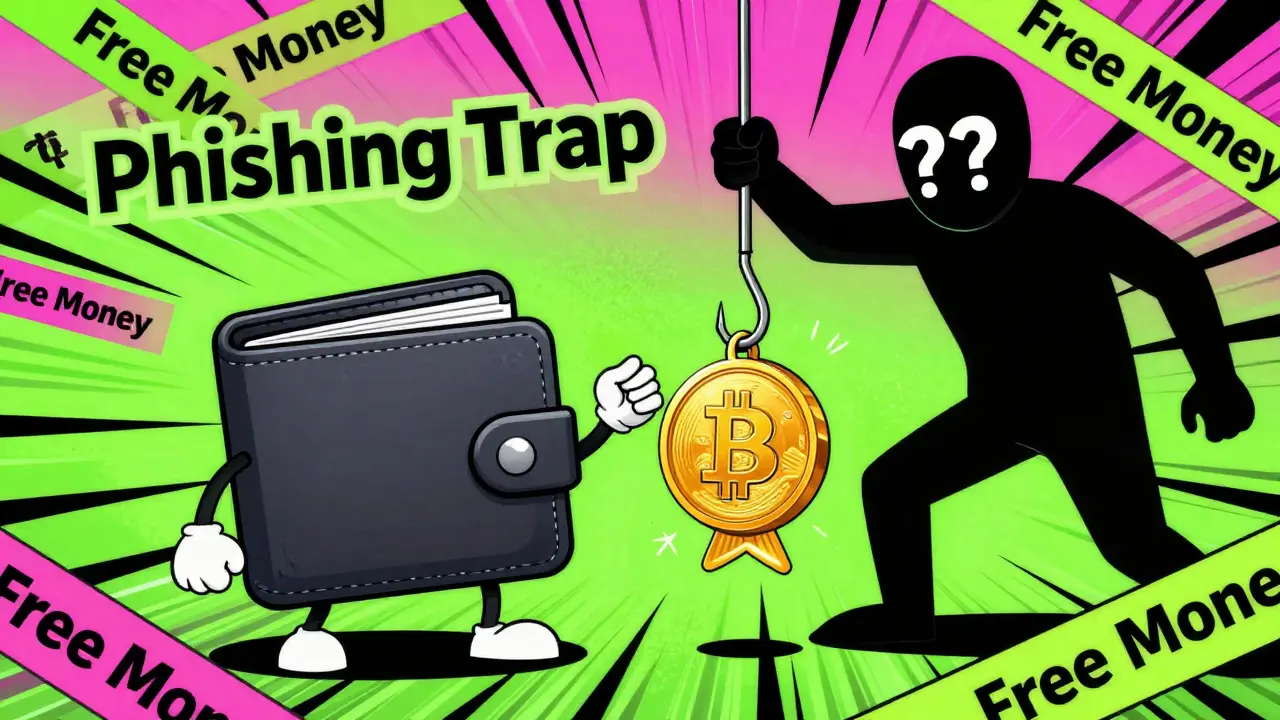
The Psychology Behind the "Free Money" Lure
Why do so many people fall for scams like the alleged "Recharge Incentive Drop"? It comes down to FOMO (Fear Of Missing Out). We hear stories about users making thousands of dollars from Uniswap or Arbitrum drops. That success breeds envy and desperation.
Scammers exploit this emotion. They know that when you see "free money," your brain’s reward center lights up, suppressing your caution. They count on you ignoring the lack of details because the potential payoff seems too good to pass up. Remember: if it sounds too good to be true, it almost certainly is. In 2026, with advanced AI-generated content, scams can look more professional than ever. Trust your instincts, not just the graphics.
What To Do If You Already Interacted
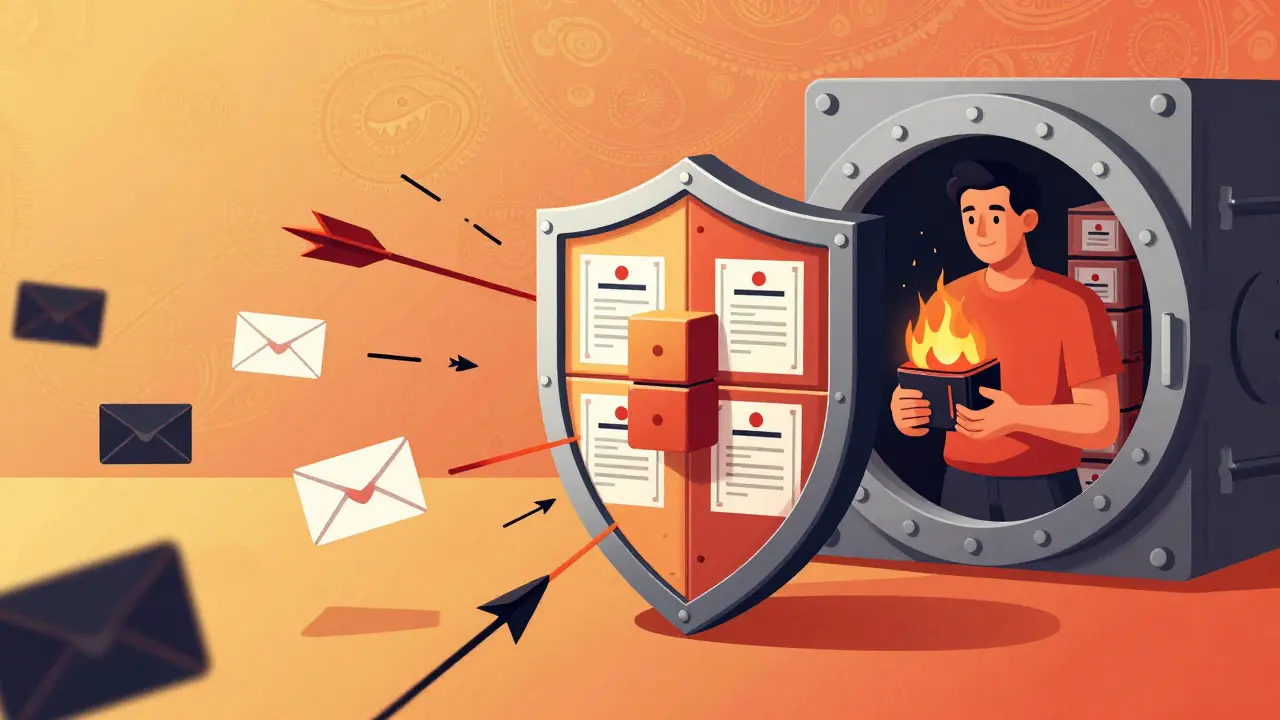
If you’ve already connected your wallet or entered information related to this unknown airdrop, take immediate action:
- Revoke Permissions: Use a tool like Revoke.cash to remove any spending allowances you granted to the suspicious contract.
- Move Funds: Transfer your remaining assets to a new, secure wallet with a fresh seed phrase.
- Monitor Activity: Keep an eye on your transaction history for unauthorized movements.
- Report It: Alert the community on platforms like Twitter or Discord to warn others.
Conclusion: Stay Safe, Stay Skeptical
The crypto space offers incredible opportunities, but it also harbors significant risks. "The Recharge Incentive Drop" with its "Unknown details" label is a textbook example of what to avoid. By understanding how legitimate airdrops function and recognizing the hallmarks of fraud, you can protect your assets while still participating in the ecosystem safely.
Focus on projects with transparent teams, audited code, and active communities. The rewards may take longer to materialize, but they will be real. Don’t let the promise of quick riches compromise your security.
Is The Recharge Incentive Drop a legitimate airdrop?
No. The lack of identifiable details, combined with the generic name and absence of official documentation, strongly suggests it is a scam or phishing attempt. Always verify projects through official, verified channels before participating.
How can I identify a fake crypto airdrop?
Look for red flags such as anonymous teams, unverified smart contracts, extreme urgency, requests for private keys, and promotion only through unsolicited messages. Legitimate projects have transparent identities and audited code.
What should I do if I accidentally connected my wallet to a scam site?
Immediately revoke all permissions using a tool like Revoke.cash, move your remaining funds to a new secure wallet, and monitor your transaction history for any unauthorized activity. Never reuse the compromised wallet for significant holdings.
Are retroactive airdrops still happening in 2026?
Yes, but they are highly competitive and usually reserved for early users of specific protocols. Projects like Arbitrum and Optimism pioneered this model. Be wary of projects promising retroactive rewards without a clear history of user interaction.
Can I earn free crypto safely?
Yes, by participating in verified testnets, engaging with established DAOs, or completing bounty tasks for reputable projects. Always prioritize safety over speed, and never share sensitive information like private keys or seed phrases.