Vglobal Crypto Exchange Review: Is It Safe or a Scam?
Imagine you find a cryptocurrency platform promising massive returns with zero risk. The interface looks sleek, the testimonials are glowing, and the support team is instantly available. You deposit your hard-earned money, expecting to watch it grow. Instead, you hit a wall when you try to withdraw. This isn’t just a hypothetical nightmare; it’s the reality for thousands of users who fall victim to unregulated platforms like Vglobal.
If you’re reading this because you’ve heard about Vglobal from a friend, an online ad, or a social media influencer, stop right here. Before you send a single cent, you need to understand exactly what you are dealing with. My name is Doug Morrison, and I’ve spent years analyzing digital asset platforms from my home in Raleigh. In this review, we aren’t looking at marketing fluff. We are digging into the red flags that separate legitimate exchanges from dangerous scams.
The Silence Speaks Volumes: Lack of Verifiable Information
The first thing you notice when researching Vglobal is the eerie silence surrounding its official background. Legitimate financial institutions operate in the light. They have clear registration details, publicly listed directors, and regulatory licenses you can verify yourself. Vglobal, however, operates in the shadows.
There is no verifiable information about who founded Vglobal. There are no records of incorporation in major financial hubs like Delaware, Singapore, or the Cayman Islands. When a company refuses to disclose its ownership structure, it is usually hiding something. In the world of finance, anonymity is not a feature; it is a liability. Without knowing who runs the show, you have no recourse if things go wrong.
- No Regulatory Licenses: Legitimate exchanges register with bodies like the SEC (Securities and Exchange Commission) in the US, the FCA (Financial Conduct Authority) in the UK, or the ASIC in Australia. Vglobal holds none of these.
- No Physical Address: Most reputable firms list a physical headquarters. Vglobal often provides vague locations or P.O. boxes that lead nowhere.
- Anonymous Team: Look at their "About Us" page. Do you see real names with LinkedIn profiles? Or do you see stock photos and generic titles?
This lack of transparency is the biggest red flag. If they cannot tell you who they are, why should you trust them with your life savings?
How the Vglobal Trap Works
Scams don’t always look like scams. In fact, they are designed to look better than the real thing. Here is how the typical Vglobal operation unfolds, based on patterns seen across similar fraudulent platforms.
- The Hook: You encounter Vglobal through a targeted ad or a "free signal" group. They promise high leverage, low fees, or guaranteed profits.
- The Onboarding: Signing up is incredibly easy. No strict identity verification (KYC) initially. This lowers your guard. You feel smart for finding a "hidden gem."
- The Small Wins: You deposit a small amount. You make trades. You win. You request a withdrawal, and it goes through quickly. This builds trust. They want you to believe the system works.
- The Big Deposit: Encouraged by your success, you deposit more-perhaps thousands of dollars. An "account manager" might urge you to invest more to unlock "VIP features" or higher returns.
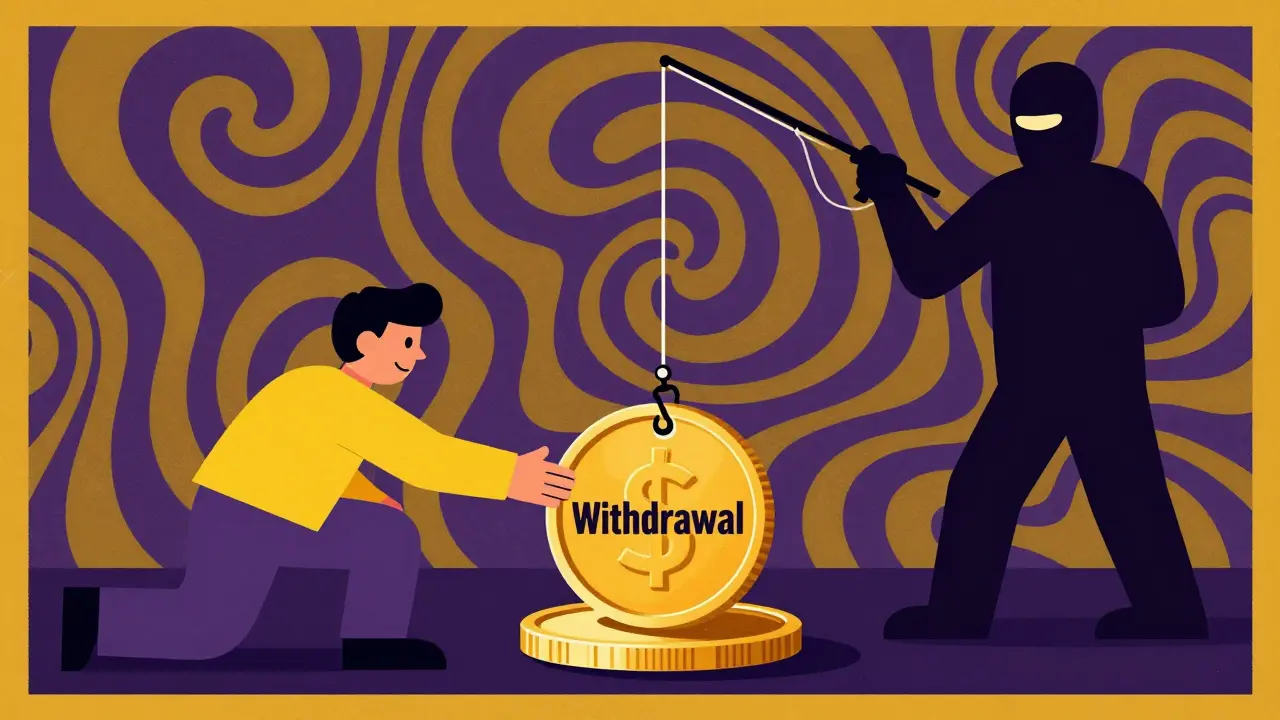
- The Lockout: Now, when you try to withdraw your larger balance, the problems start. You are told you must pay a "tax," a "security fee," or "legal clearance" before funds can be released. Once you pay this fee, another one appears. Eventually, communication stops.
This pattern is known as an "advance-fee fraud." The goal is never to let you profit. The goal is to extract as much capital as possible before disappearing.
Red Flags That Signal Danger
You don’t need to be a financial expert to spot trouble. Here are the specific warning signs associated with Vglobal and similar entities.
| Feature | Legitimate Exchange (e.g., Coinbase, Kraken) | Suspicious Platform (e.g., Vglobal) |
|---|---|---|
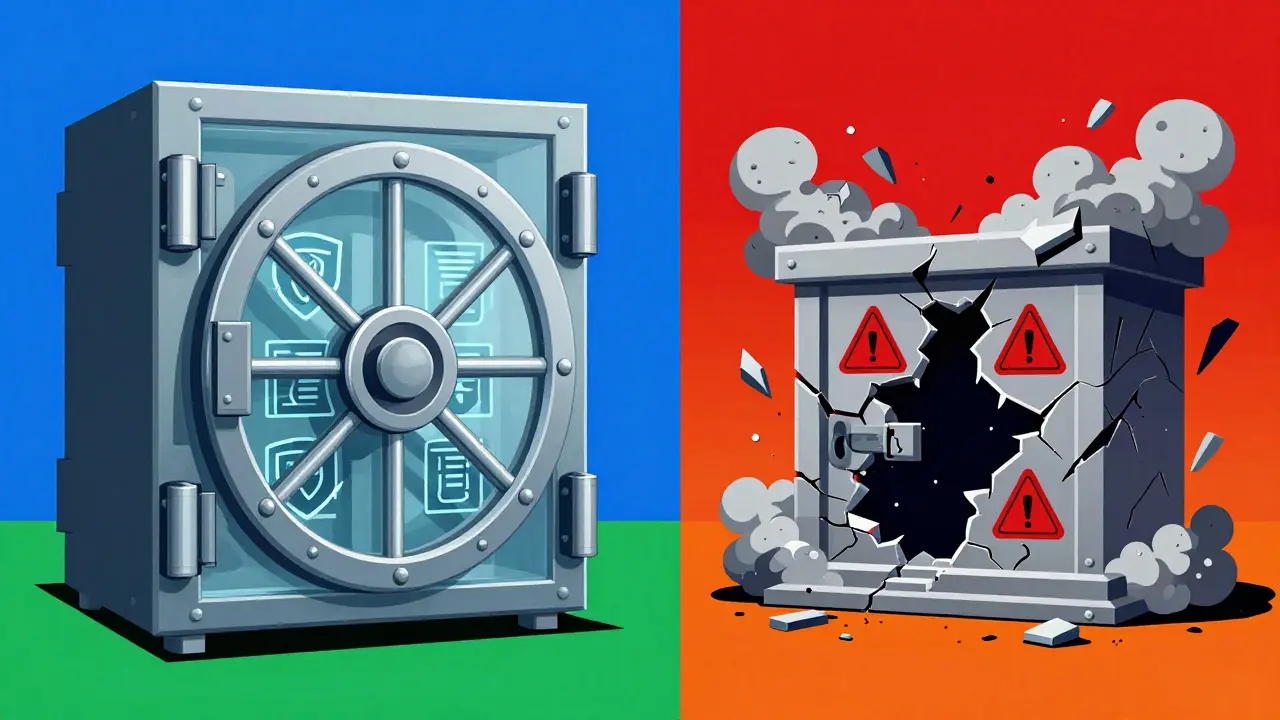
| Regulation | Licensed by major authorities (SEC, FCA, CySEC) | No licenses or fake certificates |
| Transparency | Publicly traded or clearly registered entity | Anonymous owners, hidden registration |
| Withdrawals | Processed within 24-72 hours, no extra fees | Delays, requests for "taxes" or "fees" to release funds |
| Promises | Realistic risks, no guaranteed returns | Guaranteed profits, "risk-free" trading |
| User Reviews | Mixed but authentic feedback on major platforms | Fake 5-star reviews, negative reviews deleted |
Notice the difference in withdrawal policies. A legitimate exchange makes money from trading fees, not by holding your deposits hostage. If a platform asks you to send more money to get your money out, it is a scam. Period.
The Illusion of Social Proof
One of the most deceptive tactics used by Vglobal is manufactured social proof. You might see hundreds of five-star reviews on their website or social media pages. These are almost always fake.
Scammers use bot networks to generate positive comments. They hire actors to post screenshots of "profitable trades." They create Telegram groups filled with shills pretending to be happy customers. Meanwhile, genuine complaints are aggressively deleted or buried.
To get the truth, look outside their ecosystem. Search for "Vglobal scam" or "Vglobal complaint" on independent forums like Reddit, Trustpilot, or Forex Peace Army. You will likely find stories from people who lost everything. These voices are often silenced on the platform’s own channels but speak loudly in the open web.
I’ve seen too many good people lose their retirement savings because they trusted a polished website over common sense. Don’t be one of them.
Safe Alternatives to Vglobal
Avoiding Vglobal doesn’t mean you have to avoid crypto trading. There are plenty of safe, regulated, and transparent platforms where you can trade with confidence.
- Coinbase: Publicly traded on NASDAQ. Highly regulated in the US. Great for beginners.
- Kraken: Known for strong security and customer support. Regulated in multiple jurisdictions.
- Binance: The largest exchange by volume. Offers advanced tools for experienced traders. Ensure you use the correct regional version compliant with local laws.
- KuCoin: Popular for altcoins. Has improved its regulatory compliance significantly in recent years.
These platforms may have slightly higher fees than shady operators, but they offer something priceless: safety. Your assets are protected by insurance funds, cold storage protocols, and legal oversight.
What To Do If You’ve Already Lost Money
If you have already deposited funds into Vglobal and cannot withdraw them, act immediately. Time is critical.
- Stop All Communication: Do not pay any more "fees." Every dollar you send is gone forever.
- Gather Evidence: Save all emails, chat logs, transaction receipts, and screenshots of the platform.
- Contact Your Bank: If you paid via bank transfer or credit card, call your bank immediately. Request a chargeback or recall of funds. Success rates vary, but it’s worth trying.
- Report to Authorities: File a report with the FTC (Federal Trade Commission), the IC3 (Internet Crime Complaint Center), and your local consumer protection agency.
- Warn Others: Post your experience on independent review sites. Help prevent others from making the same mistake.
Recovering funds from offshore scammers is difficult, but reporting the crime helps law enforcement track down these operations. It also creates a paper trail that may assist future victims.
Protecting Yourself in the Future
The crypto space moves fast, and new scams appear every day. Here is how to stay safe.
Always check for regulatory licenses. Visit the official websites of regulators like the SEC or FCA and search their databases. If a platform claims to be licensed but isn’t in the database, it’s lying.
Use hardware wallets. Never leave large amounts of crypto on an exchange. Use devices like Ledger or Trezor to store your assets offline. This way, even if an exchange gets hacked or shuts down, your coins remain safe.
Skepticism is your best friend. If an offer sounds too good to be true, it is. Guaranteed returns, secret algorithms, and exclusive access are hallmarks of fraud. Stick to well-known, established platforms with a long track record.
Is Vglobal a legitimate crypto exchange?
No, Vglobal is not considered a legitimate crypto exchange. It lacks regulatory licenses, has no verifiable corporate registration, and exhibits numerous characteristics of a scam platform, including withdrawal restrictions and anonymous ownership.
Can I withdraw my money from Vglobal?
Most users report being unable to withdraw funds from Vglobal. The platform often demands additional "fees" or "taxes" to release withdrawals, which is a common tactic in advance-fee frauds. Do not pay these fees.
Who owns Vglobal?
The ownership of Vglobal is not publicly disclosed. Legitimate financial institutions are required to reveal their directors and shareholders. The anonymity surrounding Vglobal’s leadership is a significant red flag.
Is Vglobal regulated by the SEC or other authorities?
No, Vglobal is not regulated by the SEC, FCA, ASIC, or any other major financial authority. Operating without regulation means there is no legal protection for your funds if the platform fails or acts maliciously.
What are some safe alternatives to Vglobal?
Safe alternatives include Coinbase, Kraken, Binance, and KuCoin. These platforms are regulated, transparent, and have established reputations for security and customer service.
How can I identify a crypto scam?
Look for guarantees of profit, pressure to deposit quickly, anonymous teams, lack of regulatory licenses, and difficulties withdrawing funds. Always research independently and avoid platforms that rely solely on social media ads for promotion.
What should I do if I lost money to Vglobal?
Stop sending money, gather all evidence, contact your bank for a chargeback, and report the incident to the FTC and IC3. While recovery is difficult, reporting helps law enforcement track these criminals.