What Is a Rug Pull in Cryptocurrency? A Complete Guide to Spotting and Avoiding Scams
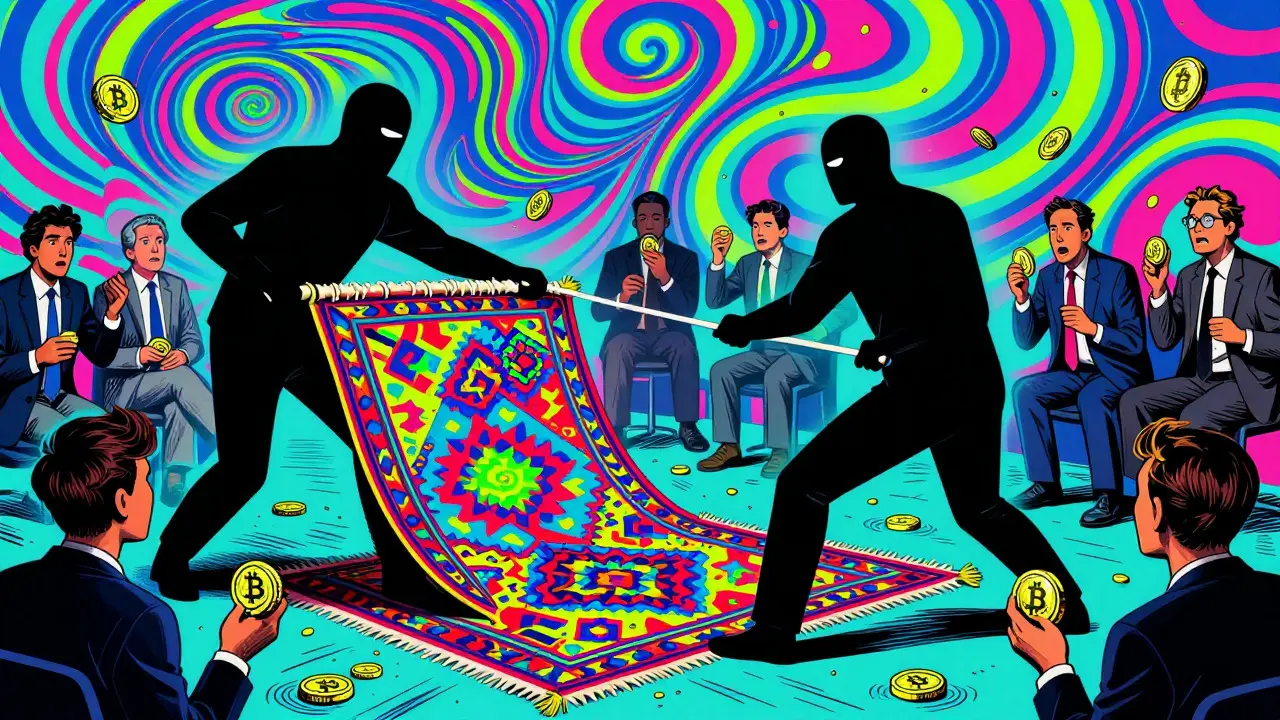
Imagine buying a ticket to a concert. You pay your money, show up on the night of the event, and find the stage empty. The lights are off, the band has vanished, and your ticket is now worthless paper. In the world of cryptocurrency, this nightmare scenario is called a rug pull. It is a type of exit scam where developers abandon a project after raising funds, leaving investors with tokens that have no value.
If you have ever scrolled through Twitter or Telegram looking for the next big thing in decentralized finance (DeFi), you have likely seen them: promises of 10,000% returns, anonymous teams, and hype machines running at full speed. But behind some of these shiny new projects lies a trap. According to data from Solidus Labs, rug pulls are the most common crime in crypto, with over 300,000 scam tokens created and millions of investors losing their hard-earned money. Understanding what a rug pull is-and how it works-is the first step to protecting your portfolio.
The Anatomy of a Rug Pull
To spot a rug pull, you first need to understand the mechanics. Unlike a traditional business failure where a company goes bankrupt due to bad management, a rug pull is intentional fraud. It is a coordinated effort by developers to steal investor capital.
There are two main ways this happens, and knowing the difference helps you identify red flags early.
Hard Rug Pulls: The Technical Trap
A hard rug pull involves malicious code. Developers write smart contracts with hidden backdoors. On the surface, everything looks normal. You can buy the token, maybe even sell a little bit. But the code contains a switch that only the developer controls.
Here is how a typical hard rug pull plays out:
- Liquidity Stealing: Developers remove all the liquidity from the trading pool. Without liquidity, there is no one to buy your tokens. The price crashes to zero instantly.
- Honeypot Tokens: The contract is programmed so that anyone can buy the token, but only the developer can sell it. You see the price going up, thinking it is a good investment, but you are locked in.
- Unlimited Minting: The developer creates billions of new tokens out of thin air and sells them, diluting the value of your holdings to nothing.
The infamous $SQUID token incident in 2021 is a classic example. Developers used a honeypot mechanism that prevented users from selling while they dumped their own holdings, netting over $3 million in just days.
Soft Rug Pulls: The Marketing Mirage
Soft rug pulls are trickier because the code might not be technically broken. Instead, the scam relies on deception. Developers create a project, spend heavily on marketing, influencers, and social media hype, and then quietly disappear once the token price peaks.
In these cases, the team might simply stop updating the website, leave the Discord server dead, and sell off their large stash of tokens slowly over time. By the time retail investors realize the project has no real utility or future, the value has already collapsed. This accounts for about 32% of all rug pulls, according to Coinbase’s security reports.
Red Flags: How to Spot a Scam Before It Happens
You don’t need to be a programmer to avoid most rug pulls. Most scams share common warning signs. If you see three or more of these red flags, walk away.
- Anonymous Teams: Legitimate projects usually have doxxed teams-people who have put their real names and faces online. If the team is completely anonymous with no LinkedIn profiles or past work history, proceed with extreme caution. Solidus Labs found that 92% of rug pull projects had anonymous teams.
- Unlocked Liquidity: Liquidity is the cash reserve that allows you to trade your tokens. If developers haven’t locked this liquidity for a long period (at least 6-12 months), they can withdraw it anytime. Always check if liquidity is locked using tools like BscScan or Etherscan.
- No Third-Party Audit: Smart contracts should be audited by reputable firms like CertiK or OpenZeppelin. If a project claims to be "secure" but has no audit report, it is likely hiding something. About 83% of rug pull projects lacked proper audits.
- Too Good to Be True Returns: Promises of guaranteed daily returns of 5%, 10%, or even 100% are almost always scams. Sustainable growth doesn’t happen overnight.
- Excessive Developer Allocation: Check the tokenomics. If the developers hold more than 15-20% of the total supply, they have enough power to crash the market whenever they decide to sell.
Rug Pulls vs. Other Crypto Scams
It is easy to confuse rug pulls with other types of crypto fraud. Here is how they differ:
| Scam Type | How It Works | Duration | Primary Target |
|---|---|---|---|
| Rug Pull | Developers abandon project and take funds | Short (days to weeks) | DeFi investors |
| Ponzi Scheme | New investor money pays old investors | Long (months to years) | General public |
| Phishing | Fake websites steal private keys | Instant | Individual wallets |
| Exchange Hack | Hackers breach centralized platform | Varies | All exchange users |
Unlike Ponzi schemes, which rely on a constant influx of new victims to keep the machine running, rug pulls are sudden exits. They exploit the permissionless nature of decentralized exchanges like Uniswap or PancakeSwap, where anyone can list a token without approval.
Tools and Strategies for Protection
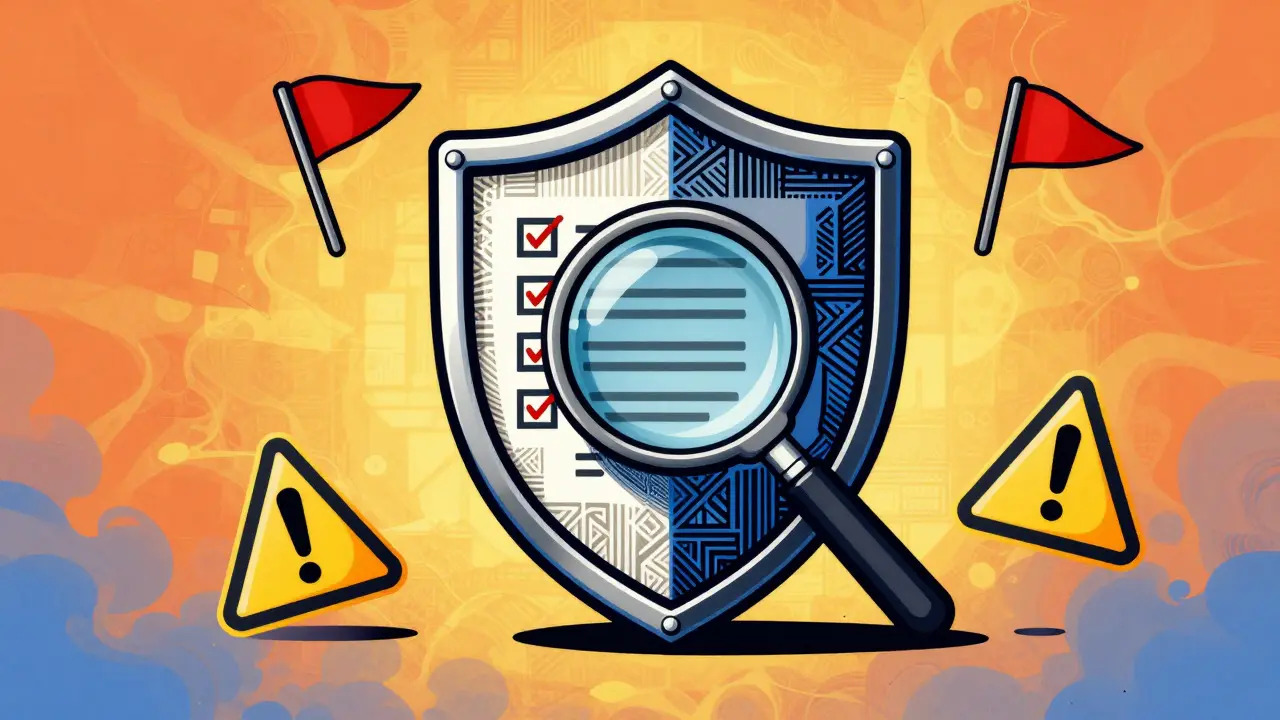
Prevention is better than cure. Here is a practical checklist you can use before investing in any new DeFi project.
1. Use Rug Detection Tools
Websites like RugDoc.io, TokenSniffer, and GoPlus Security analyze smart contracts automatically. They can detect honeypots, high taxes, and ownership privileges. While no tool is perfect, they provide a strong first layer of defense.
2. Verify Liquidity Locks
Go to the blockchain explorer (Etherscan for Ethereum, BscScan for BNB Chain). Look for the liquidity pool address. Check if the LP tokens are locked in a service like Unicrypt or Team Finance. If the unlock date is soon or nonexistent, consider it high risk.
3. Check Community Sentiment
Join the project’s Telegram or Discord. Are the questions being answered by real humans, or just bots? Is the community organic, or does it look like paid shillers? Real communities discuss technology and roadmaps; fake ones only talk about price pumps.
4. Start Small
Never invest money you cannot afford to lose. When trying a new token, start with a small amount. This limits your exposure if the project turns out to be a rug pull.
The Future of Rug Pull Prevention
The landscape is changing. As regulations like the EU’s MiCA framework come into effect, anonymous projects will face stricter disclosure requirements. Major exchanges like Binance and Coinbase have tightened their listing criteria, requiring longer liquidity locks and mandatory audits.
However, scammers are adapting. We are seeing a rise in "soft" rug pulls where the code is clean, but the project lacks substance. The best defense remains education. Stay skeptical, do your own research (DYOR), and remember: if it sounds too good to be true, it probably is.
Can you recover money lost in a rug pull?
In most cases, no. Because cryptocurrencies are decentralized and transactions are irreversible, once the developers move the funds to their private wallets, it is nearly impossible to get them back. Unless law enforcement identifies and arrests the perpetrators (which is rare), the loss is permanent.
What is the difference between a rug pull and a pump-and-dump?
A pump-and-dump scheme involves artificially inflating the price of an asset through coordinated buying and hype, then selling off holdings when the price peaks. A rug pull specifically refers to the abandonment of a project by its creators, often involving technical tricks like removing liquidity. While similar in outcome, rug pulls are more common in DeFi, while pump-and-dumps occur across various markets.
Are rug pulls illegal?
Yes, rug pulls are considered securities fraud or wire fraud in many jurisdictions, including the United States. However, enforcement is difficult because many developers operate anonymously from countries with lax crypto regulations. Regulatory bodies like the SEC are increasing efforts to prosecute these cases.
How do I check if a token is a honeypot?
You can use free online tools like TokenSniffer or Honeypot.is. Simply paste the token contract address into these platforms. They will simulate a buy and sell transaction to see if the sale fails. If the tool says "Honeypot Detected," avoid the token.
Why are DeFi projects more vulnerable to rug pulls?
DeFi operates on a permissionless basis, meaning anyone can deploy a smart contract and list a token on decentralized exchanges without approval. This lack of gatekeeping allows scammers to launch fraudulent projects quickly and easily, targeting inexperienced investors before they can verify the project's legitimacy.