TOWER Airdrop Guide: How to Claim TOWER Tokens & Eligibility Details
Missing out on a major crypto airdrop can feel like leaving free money on the table. With the rise of Layer 2 solutions and modular blockchain infrastructure, projects like TOWER, which focuses on blockchain interoperability and cross-chain messaging, are generating significant buzz. If you have been interacting with decentralized applications (dApps) or bridging assets between networks, you might be wondering if you qualify for the upcoming TOWER token distribution.
The crypto landscape in 2026 is different from the wild west of early airdrops. Projects now use sophisticated on-chain analysis to reward genuine users while filtering out bots. Understanding how TOWER evaluates eligibility, what actions boost your chances, and how to safely claim your tokens is crucial. This guide breaks down everything you need to know about the TOWER airdrop, from potential eligibility criteria to security best practices.
What Is the TOWER Project?
Before diving into the airdrop specifics, it helps to understand what you are actually getting involved with. TOWER is a cross-chain communication protocol designed to enable seamless interaction between different blockchains. In simple terms, it acts as a bridge that allows data and value to move securely between isolated networks like Ethereum, Solana, and Polygon without relying on centralized intermediaries.
Why does this matter? As the blockchain ecosystem fragments across dozens of chains, users face high fees and complex processes when trying to move assets. TOWER solves this by providing a unified layer for cross-chain messages. The native TOWER Token will likely serve several functions within this ecosystem, including paying for transaction fees, securing the network through staking, and governing future protocol upgrades.
Projects with strong utility tend to distribute their tokens more strategically. Unlike meme coins that rely purely on hype, infrastructure protocols like TOWER focus on rewarding early adopters who helped test and stabilize the network. This means the airdrop is not just a giveaway; it is a mechanism to decentralize ownership among those who contributed to the project's growth.
How to Check Your Eligibility for the TOWER Airdrop
One of the biggest frustrations in crypto is spending time on a platform only to find out later you were not eligible. While official announcements from TOWER may vary, most modern airdrops follow a predictable pattern based on on-chain activity. Here is how you can assess your current standing.
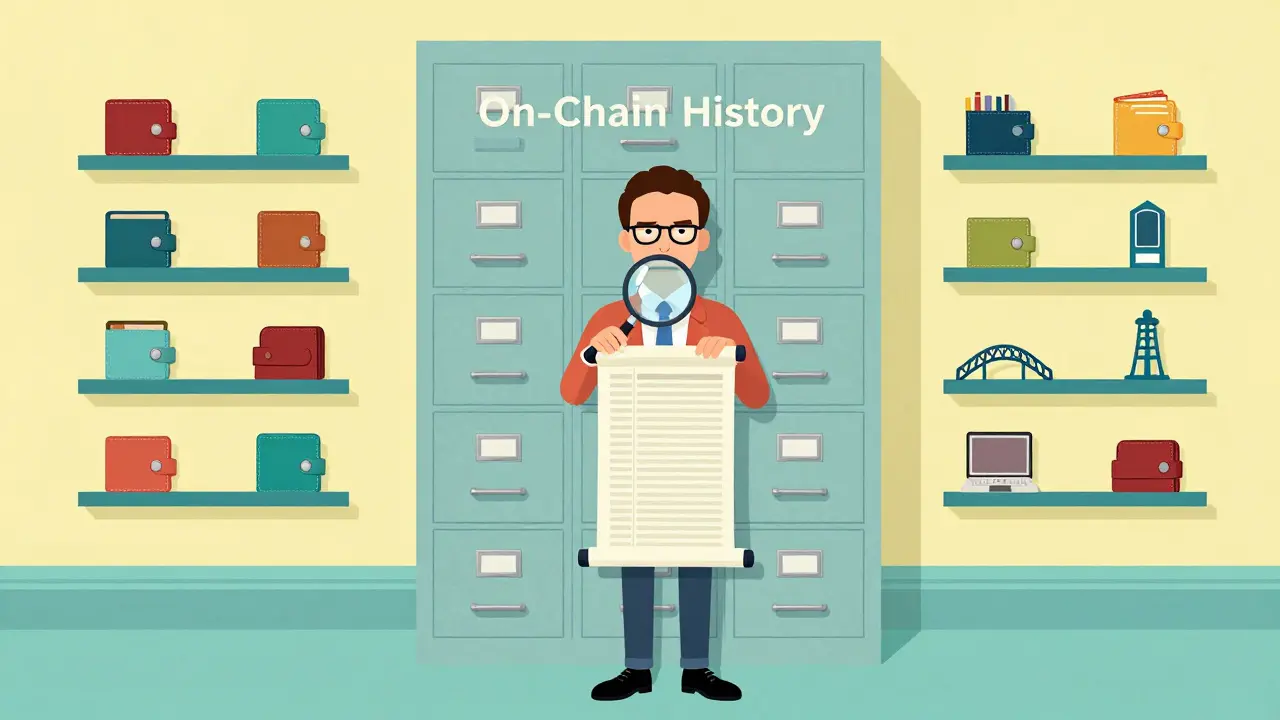
1. Analyze Your On-Chain History
Start by reviewing your wallet transactions on explorers like Etherscan or Solscan. Look for interactions with contracts associated with TOWER’s testnet or mainnet beta phases. Did you swap tokens using their bridge? Did you provide liquidity to a pool integrated with TOWER? These actions create an immutable record that the team can snapshot.
2. Check Snapshot Dates
Airdrops are rarely live forever. Teams take a "snapshot" of the blockchain at a specific block height to determine who qualifies. If you started using TOWER services after the snapshot date, you will not be included. Keep an eye on official channels for any hints about upcoming snapshots. Often, teams announce a "grace period" where final transactions are recorded before the cutoff.
3. Verify Wallet Compatibility
Ensure you are using a non-custodial wallet like MetaMask, Phantom, or Ledger. Centralized exchanges (CEXs) do not allow you to interact directly with smart contracts, so holding tokens there usually disqualifies you from airdrops that require active participation. Make sure your private keys are secure and never shared.
| Action Type | Description | Impact on Eligibility |
|---|---|---|
| Cross-Chain Swaps | Moving assets between chains via TOWER bridge | High - Core usage metric |
| Liquidity Provision | Adding funds to DEX pools supported by TOWER | Medium-High - Supports ecosystem stability |
| Governance Participation | Voting on proposals or joining DAO discussions | Medium - Shows community engagement |
| Social Media Engagement | Following Twitter/Discord, completing quests | Low - Often used as secondary filter |
Steps to Maximize Your Chances Before the Drop
If you suspect you might be on the edge of eligibility, there are still actions you can take. While past behavior cannot be changed, recent activity often signals intent and loyalty to the protocol.
- Interact with Testnets: Many projects run parallel testnets where users can simulate transactions without risking real funds. Participating in these tests demonstrates technical interest and helps developers identify bugs. Check if TOWER has an active faucet or testnet environment.
- Complete Quest Platforms: Platforms like Galxe, Layer3, or Zealy often host campaigns for new protocols. Completing these tasks creates a verifiable proof of participation. Even if the airdrop is strictly on-chain, having these badges can sometimes help verify identity against sybil attacks.
- Engage with Community Channels: Join the official Discord and Telegram groups. Ask thoughtful questions, share feedback, and participate in AMAs (Ask Me Anything). While social engagement alone rarely grants tokens, being a known voice in the community can help resolve issues if your claim gets flagged.
- Diversify Interactions: Don’t just do one type of action. If you only swapped once, try providing liquidity or minting an NFT if available. Algorithms often look for "power users" who engage with multiple features of the platform.
Security First: Avoiding Airdrop Scams
With great opportunity comes great risk. The TOWER airdrop announcement will attract scammers eager to exploit FOMO (Fear Of Missing Out). Protecting your assets is more important than claiming free tokens.
Never Share Your Seed Phrase
No legitimate project will ever ask for your 12 or 24-word recovery phrase. If a website or DM asks for this information, it is a scam. Period. Use a burner wallet for interacting with unknown contracts if possible, limiting exposure of your main holdings.
Verify Official Links
Phishing sites look identical to real ones but have slightly different URLs. Always bookmark the official TOWER website and social media profiles. Do not click links from random tweets or Discord messages. Check the domain carefully for typos or unusual extensions.
Beware of Approval Drains
When claiming tokens, you will need to approve the contract to spend your ETH or SOL for gas fees. Be cautious of approvals that allow unlimited spending. Use tools like Revoke.cash to manage and revoke unnecessary permissions regularly. This prevents malicious contracts from draining your wallet later.
How to Claim TOWER Tokens Safely
Once the airdrop goes live, the claiming process should be straightforward but requires attention to detail.
Step 1: Connect Your Wallet
Navigate to the official claim portal. Connect your eligible wallet. Ensure you have enough native currency (like ETH or SOL) in that wallet to cover gas fees. Running out of gas mid-transaction can lead to failed claims and wasted effort.
Step 2: Review the Terms
Read the claim instructions carefully. Some airdrops have vesting schedules, meaning you receive tokens gradually over time rather than all at once. Others may have cliffs where tokens unlock after a certain period. Understand the lock-up periods before proceeding.
Step 3: Execute the Transaction
Click the claim button and confirm the transaction in your wallet. Wait for the confirmation on the blockchain. You can track the status using the transaction hash on a block explorer. Once confirmed, check your wallet balance to ensure the TOWER tokens appear.
Step 4: Secure Your Assets
After claiming, consider moving the tokens to a hardware wallet for long-term storage. Leaving them in a hot wallet connected to the internet increases vulnerability to hacks. If you plan to trade immediately, keep them in a reputable exchange, but be aware of withdrawal fees.

Understanding Vesting and Lock-Up Periods
Not all airdropped tokens are yours to sell immediately. Many projects implement vesting schedules to prevent massive sell-offs that could crash the token price. For example, you might receive 20% of your allocation upfront, with the remaining 80% unlocking monthly over a year.
This structure aligns incentives. It encourages holders to believe in the project’s long-term value rather than dumping tokens for quick profits. When evaluating the TOWER airdrop, pay close attention to these terms. A large initial grant with no vesting might seem attractive, but it often leads to high volatility. Conversely, a longer vesting schedule suggests the team is focused on sustainable growth.
What Happens If You Miss the Deadline?
Life happens, and deadlines pass. If you miss the initial claiming window, don’t panic. Most projects offer a grace period or a second chance for verified users. However, unclaimed tokens are often burned or redistributed to the treasury, so acting quickly is essential.
If you are unsure whether you qualified, monitor official announcements. Sometimes, teams release updated lists or provide support channels for edge cases. Engaging politely with customer support can sometimes yield positive results, especially if you have a history of genuine usage.
Is the TOWER airdrop free?
Yes, the airdrop itself is free. You do not pay to receive the tokens. However, you will need to pay gas fees in the native cryptocurrency of the network (e.g., ETH for Ethereum) to execute the claim transaction. Always budget for these costs.
Can I claim the TOWER airdrop if I used a centralized exchange?
Generally, no. Airdrops target active users of decentralized platforms. Holding tokens on an exchange like Binance or Coinbase does not count as on-chain interaction. You must use a self-custody wallet to interact with TOWER’s smart contracts to qualify.
What should I do if I think I was excluded unfairly?
First, gather evidence of your on-chain activity, such as transaction hashes and dates. Then, reach out to TOWER’s official support channels via Discord or email. Provide clear, concise details about your interactions. Avoid aggressive language, as support teams are more likely to help polite, reasonable users.
Are there taxes on airdropped tokens?
In many jurisdictions, receiving an airdrop is considered taxable income at the fair market value of the tokens at the time of receipt. Selling them later may trigger capital gains tax. Consult with a local tax professional to understand your obligations and report accurately.
How can I verify if a TOWER airdrop site is legitimate?
Always access the claim site through links provided in official TOWER communications, such as their verified Twitter account or Discord server. Check the URL for exact spelling. Use tools like Etherscan to verify the contract address matches the one published by the team. Never enter seed phrases on any website.